"Without an Independent Organization,
Substantially Incorporated into Hyundai Motor's Business"
Employees of Company A, who were responsible for durability driving test operations of commercial prototype vehicles at Hyundai Motor Namyang Research Center, have been recognized by the court as having been illegally dispatched. The Civil Division 2 of the Supreme Court (Presiding Justice Eom Sangpil) on September 25 dismissed Hyundai Motor's appeal and upheld the lower court's ruling that recognized the illegal dispatch in the employee status confirmation lawsuit filed by Company A's employees against Hyundai Motor (2021Da218755).
[Facts]
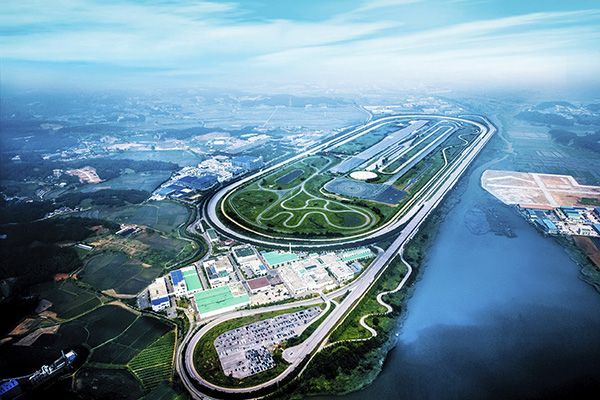
Company A's office was located in the commercial workshop building at Hyundai Motor Namyang Research Center. Employees of Company A boarded the vehicles subject to durability driving tests, drove them on the test track roads within the Namyang Research Center, checked the condition of engine oil and tire wear, and wrote daily driving test logs. Based on these logs, the team leader of Company A prepared a daily status report summarizing problems by vehicle and submitted it to Hyundai Motor. Researchers at the Namyang Research Center accompanied Company A's employees in the vehicles to test component performance. Hyundai Motor provided safety training for the test track to Company A's employees. If problems occurred during night shifts, Company A's employees reported to the researchers at the Namyang Research Center and took action according to procedures set by Hyundai Motor.
In March 2017, employees of Company A filed a lawsuit to confirm their employee status. Hyundai Motor argued that it only provided information necessary for the execution of the service contract or gave instructions as the ordering party.
[Lower Court Rulings]
The court of first instance recognized the illegal dispatch, stating that Company A's employees were dispatched to the Namyang Research Center and received direct instructions and orders from Hyundai Motor. The court said, "Company A's employees performed repetitive driving tasks according to the durability test schedule and driving modes set by Hyundai Motor," and "There was no difference from receiving direct and individual instructions regarding workload and work methods from Hyundai Motor."
The appellate court also accepted the first-instance ruling, stating, "It is determined that Company A's employees were substantially incorporated into Hyundai Motor's business."
[Supreme Court Ruling]
The Supreme Court dismissed Hyundai Motor's appeal and finalized the lower court's ruling. The court stated, "Company A merely received and carried out instructions from Hyundai Motor as they were, and in reality, refusal of instructions was not permitted. Furthermore, Company A did not invest its own capital or specialized technology in the work, nor did it have an independent corporate organization or facilities. In light of these factors, the lower court did not err in its understanding of the legal principles regarding employee dispatch."
Lee Sangwoo, The Law Times Reporter
※This article is based on content supplied by Law Times.
© The Asia Business Daily(www.asiae.co.kr). All rights reserved.

















