City Urges Adherence to Preventive Measures
Including Hand Washing and Personal Hygiene
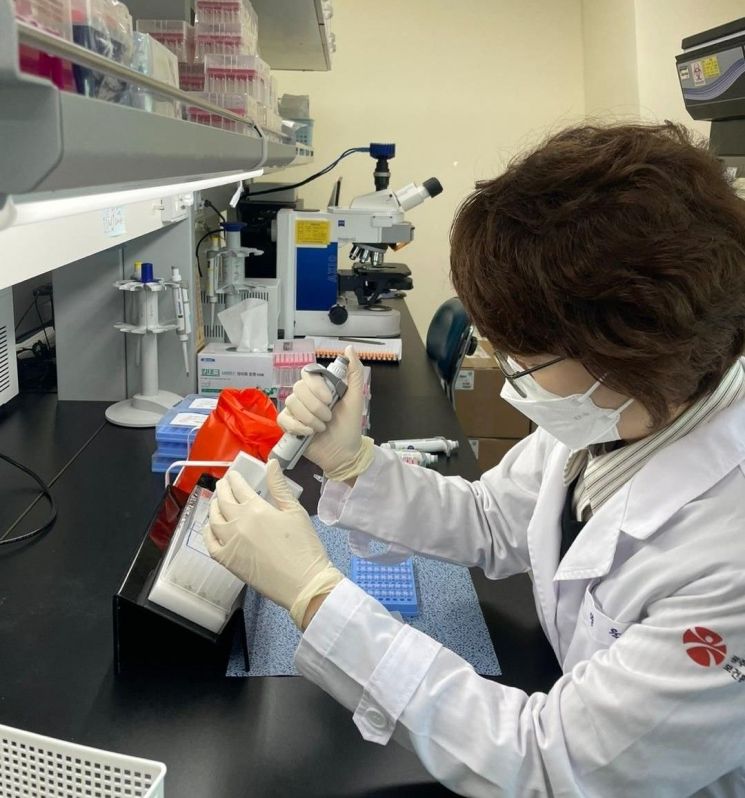
On October 27, the Gwangju Institute of Health and Environment urged citizens to get vaccinated and follow personal hygiene guidelines following the nationwide influenza (flu) epidemic advisory issued by the Korea Disease Control and Prevention Agency. This is a preemptive measure to prevent the spread of highly transmissible respiratory infectious diseases within the local community.
The Gwangju Institute of Health and Environment is operating the "National Respiratory Virus Integrated Surveillance Program" in collaboration with the Korea Disease Control and Prevention Agency. Through this program, nine types of respiratory pathogens, including influenza, are monitored in suspected respiratory infection patients at local medical institutions.
According to the Gwangju Institute of Health and Environment's surveillance of nine types of respiratory viruses in the Gwangju area over the past four weeks (September 28 to October 24), viruses were detected in 86 out of 120 collected samples (71.7%). This detection rate is 1.6 times higher than the 43.8% recorded during the same period last year. Of particular concern is the fact that the detection rates for both COVID-19 and influenza have nearly doubled compared to last year.
Influenza is primarily transmitted through coughing or nasal discharge and is accompanied by symptoms such as a fever above 38°C, headache, and muscle pain. It can also present respiratory symptoms similar to COVID-19, such as sore throat, cough, and phlegm, requiring special attention.
The Gwangju Institute of Health and Environment analyzes municipal wastewater every week to monitor changes in the concentration of respiratory viruses in the community. As of now, it assesses that the region is in the pre-epidemic phase of influenza.
Director Jeong Hyeoncheol emphasized, "Ahead of the full-scale influenza epidemic, it is especially important for citizens to pay close attention to personal hygiene, including getting vaccinated, washing hands, and wearing masks."
Meanwhile, the Korea Disease Control and Prevention Agency issued a nationwide influenza epidemic advisory at midnight on October 17. This was because, in the 40th week of 2025 (September 28 to October 4), the proportion of influenza-like illness among outpatients nationwide reached 12.1 per 1,000, exceeding the 2025-2026 season epidemic threshold of 9.1.
© The Asia Business Daily(www.asiae.co.kr). All rights reserved.
![Clutching a Stolen Dior Bag, Saying "I Hate Being Poor but Real"... The Grotesque Con of a "Human Knockoff" [Slate]](https://cwcontent.asiae.co.kr/asiaresize/183/2026021902243444107_1771435474.jpg)















