Bubble Tea, Warning of Obesity and Kidney Stone Risks
Potential for Lead Contamination and Excessive Sugar Content
"Should Be Considered an Occasional Treat, Not a Daily Habit"
Bubble tea, which has become a "national beverage" thanks to its chewy tapioca pearls and sweet milk tea creating an addictive flavor, has come under warning for its potentially severe health risks. Reports have pointed out that not only have heavy metals such as lead been detected in tapioca pearls, but the high sugar content may also increase the risk of kidney stones, obesity, and metabolic diseases. Experts emphasize that "bubble tea should be considered an occasional treat rather than a regular drink."
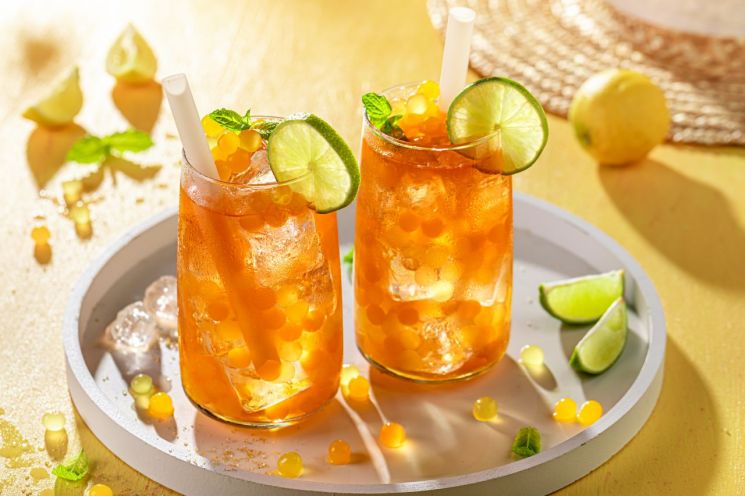 The round "tapioca pearls" in bubble tea have the characteristic of easily absorbing lead from the soil, increasing the risk of heavy metal exposure if raw materials produced in contaminated soil are used. Getty Images
Is the Tapioca Pearl in Bubble Tea the Problem?
On October 21, Adam Taylor, Professor of Anatomy at Lancaster University in the United Kingdom, warned of various health risks associated with bubble tea in an article contributed to the nonprofit academic outlet The Conversation. Professor Taylor's claims are based on findings from Consumer Reports. Consumer Reports recently tested four types of bubble tea from well-known franchises such as Gong Cha and Kung Fu Tea, the major U.S. grocery chain Trader Joe's, and the Chinese bubble tea manufacturer Opuyuan. The results revealed that lead was detected in all samples. Although the levels did not pose an immediate health risk, three out of the four products had lead content exceeding 50% of the recommended concern threshold.
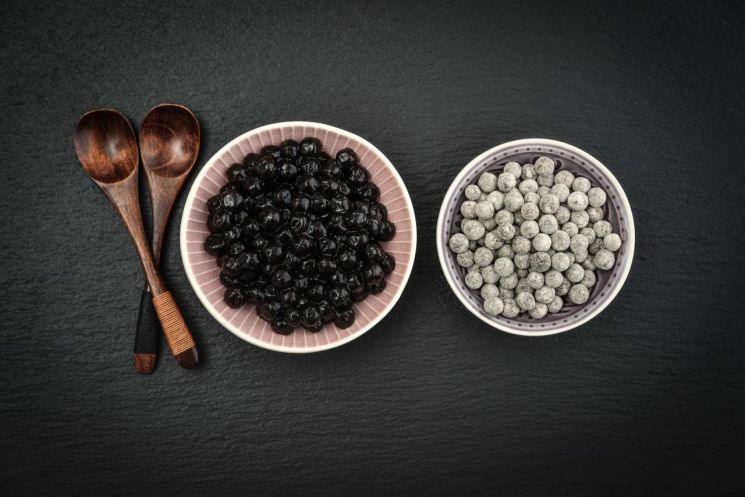 The round "tapioca pearls" in bubble tea have the characteristic of easily absorbing lead from the soil, increasing the risk of heavy metal exposure if raw materials produced in contaminated soil are used. Getty Images
This is believed to be because the round "tapioca pearls" in bubble tea are made from cassava starch. Cassava has a tendency to easily absorb lead from the soil during cultivation, which means that if raw materials produced in contaminated soil are used, the risk of heavy metal exposure increases.
Direct Adverse Effects on the Digestive and Renal Systems
Tapioca pearls can burden the digestive system not only due to lead contamination but also because of their high starch content. Excessive consumption can delay gastric emptying and cause "gastric paralysis," which in severe cases may lead to abdominal pain and vomiting. Guar gum, which is often added to bubble tea, is harmless in small amounts, but frequent consumption may cause constipation.
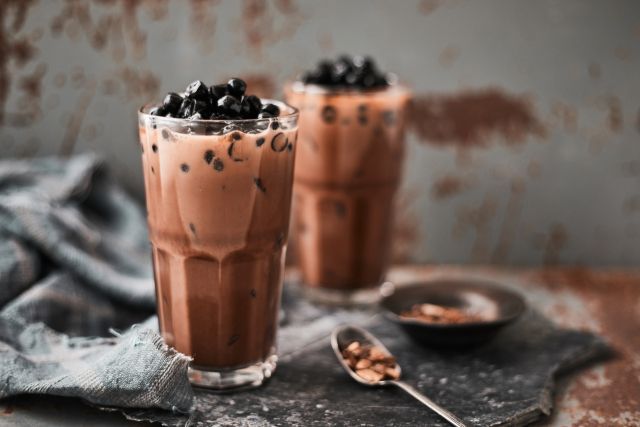 Tapioca pearls can burden the digestive system not only due to lead contamination but also because of their high starch content. Image Today
The ingredients in bubble tea also affect kidney health. In Taiwan in 2023, a case was reported in which a 20-year-old woman who drank bubble tea instead of water was found to have more than 300 kidney stones. Certain ingredients, such as oxalates and phosphates, can contribute to stone formation, but this is considered an extreme case resulting from excessive consumption.
"One Cup of Bubble Tea Contains More Sugar Than a Can of Coca-Cola"
The high sugar content also causes long-term health problems. Most bubble teas contain 20 to 50 grams of sugar, which is similar to or even more than a can of Coca-Cola (35 grams). High levels of sugar and fat increase the risk of developing type 2 diabetes, obesity, and metabolic diseases, and long-term consumption can lead to fatty liver. These are common side effects of high-sugar products, which rapidly raise blood sugar and cause fat accumulation in the liver.
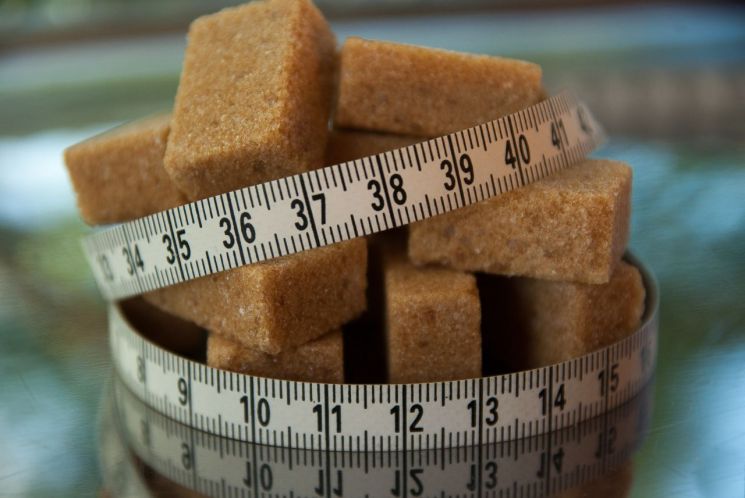 Most bubble teas contain 20 to 50 grams of sugar, which is similar to or more than a can of Coca-Cola (35 grams). Pixabay
Impact on Mental Health as Well..."The More Frequently Consumed, the Higher the Risk of Depression and Anxiety"
A link to mental health has also been identified. In separate studies conducted in China targeting children and adult nurses, a correlation was found between the frequency of bubble tea consumption and symptoms of depression and anxiety. Even after adjusting for other lifestyle factors, the association remained, suggesting a possible causal relationship.
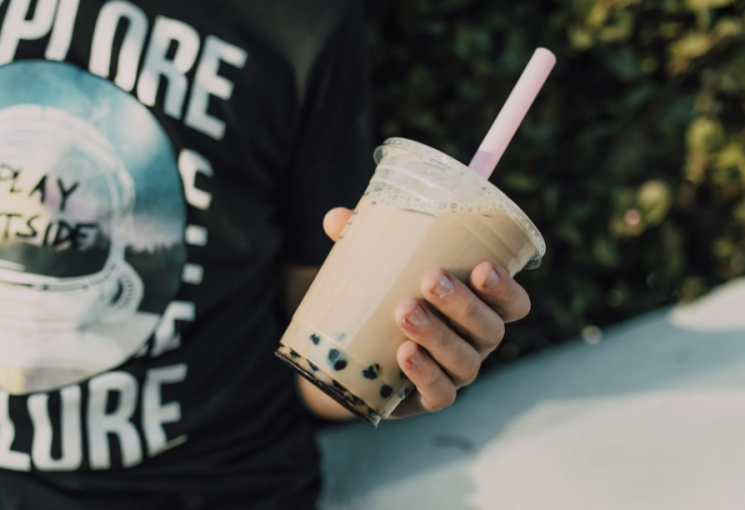 In separate studies conducted in China targeting pediatric and adult nurses, a correlation was found between the frequency of bubble tea consumption and symptoms of depression and anxiety. Paxels
Additionally, the pearls pose a choking hazard, so extra caution is needed when consuming bubble tea. Children require particular attention, but adults are not exempt from this risk. In fact, in Singapore, a 19-year-old woman died after swallowing three pearls while sucking hard on a blocked straw.
Professor Taylor emphasized, "I'm not suggesting that bubble tea should be banned, but it should be considered an occasional treat, not a daily habit." He also advised, "If you do drink it, it's better to avoid using a straw. Drinking directly from the cup allows you to better control the amount you consume."
© The Asia Business Daily(www.asiae.co.kr). All rights reserved.
![Clutching a Stolen Dior Bag, Saying "I Hate Being Poor but Real"... The Grotesque Con of a "Human Knockoff" [Slate]](https://cwcontent.asiae.co.kr/asiaresize/183/2026021902243444107_1771435474.jpg)













