Both Sales and Operating Profit Expected to Decline in Q3
Beer Shipments Drop After Price Hike and Excess Demand Reversal
High Domestic Dependence and Fixed Costs Weigh on Profit Margins
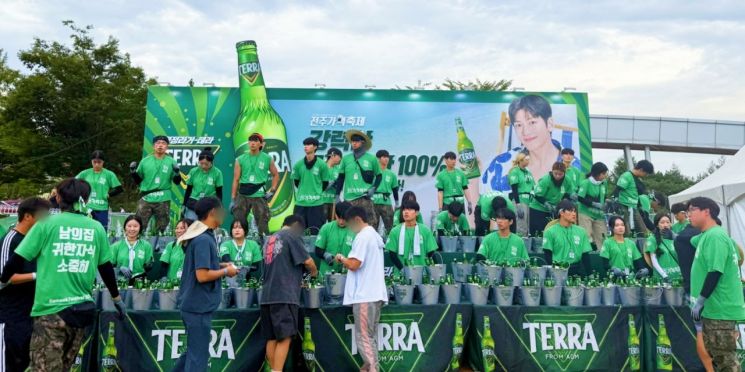
HiteJinro, the leading company in Korea's liquor industry, appears to have been directly hit by the slowdown in domestic demand. Changes in consumer trends and stagnant growth in the domestic market have coincided, while high fixed costs and increased cost burdens have eroded the traditional summer peak season effect for beer.
According to financial information provider FnGuide on October 16, HiteJinro's sales in the third quarter of this year are estimated to reach 685.5 billion won, a decrease of 0.04% compared to the same period last year (685.7 billion won). During the same period, operating profit is also expected to fall by 6.6% to 65.6 billion won, down from 70.2 billion won a year earlier.
According to the liquor industry, total demand for both soju and beer is estimated to have declined in the first half of this year, and this trend appears to have continued into the third quarter. In particular, the decline in beer demand is believed to have accelerated in the third quarter. Sim Eunju, a researcher at Hana Securities, commented, "The main factor was the unsold excess inventory among liquor wholesalers following the 2.7% increase in beer shipment prices last May." This means that wholesalers stocked up in advance, leading to an increase in shipments in the second quarter, but a temporary drop in shipments in the third quarter, which limited any substantial improvement in operating profit.
The difference in consumer sensitivity to price increases also appears to have prevented beer from capitalizing on its summer peak season. Recently, beer has been losing market share to RTD products such as highballs, and with the added price hikes, the incentive for consumers to purchase beer has diminished significantly. An industry insider explained, "Soju consumption is often habitual, as it is considered a daily consumable beverage, leading to strong brand loyalty and greater resilience to price shocks. In contrast, beer has many substitute products compared to soju, so even a slight price increase can cause a significant drop in consumption."
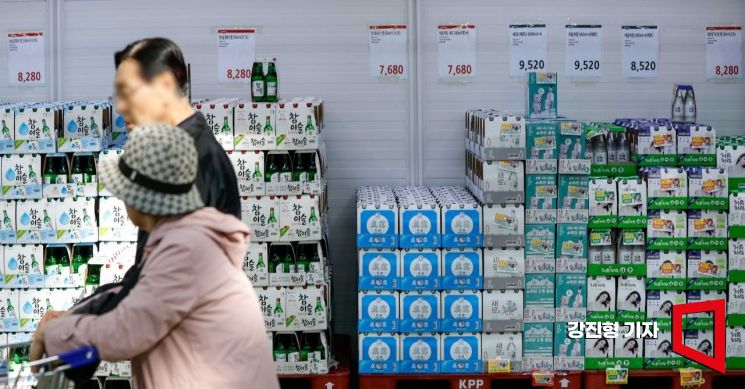
The difficulties HiteJinro is facing in defending its sales are attributed to the limitations of a business structure that is highly dependent on the domestic market. Nearly 90% of HiteJinro's total sales come from Korea. Although soju exports have been growing recently, their absolute scale remains insignificant. This structure leaves the company immediately exposed to any downturn in the domestic dining-out market. Since the COVID-19 pandemic, the reduction in company gatherings has led to a continued decline in liquor consumption. At the same time, rising foodservice prices and declining real income have resulted in lower sales at restaurants and bars, which directly translates into decreased consumption of soju and beer.
A structural trend of reduced drinking frequency among people in their 20s and 30s has also been a negative factor for HiteJinro. The domestic liquor market is rapidly shifting from soju and beer to lighter drinking options such as highballs and non-alcoholic beverages. Although HiteJinro has responded by introducing lighter products like 'Terra Light', its portfolio, which is centered on soju and lager beer, is not keeping pace with market changes and has become a structural risk.
In addition, the average import price of raw materials such as malt and neutral spirits rose by 7-9% in the first half of this year, and rising oil prices have worsened overall costs and logistics structures. HiteJinro's nationwide sales network also means a high proportion of fixed costs. Even a slight decline in sales volume can significantly impact profits due to the leverage effect of fixed costs.
However, with government measures such as consumer coupons to ease the cost-of-living burden coinciding with the holiday and year-end peak seasons, and with increased promotions at supermarkets and convenience stores, the fourth quarter is expected to be a period of recovery from the previous quarter's slump. Joo Younghoon, a researcher at NH Investment & Securities, commented, "As the company plans to increase marketing expenses compared to the first half of the year and focus on recovering sales, we will need to monitor the resulting performance."
© The Asia Business Daily(www.asiae.co.kr). All rights reserved.
![Clutching a Stolen Dior Bag, Saying "I Hate Being Poor but Real"... The Grotesque Con of a "Human Knockoff" [Slate]](https://cwcontent.asiae.co.kr/asiaresize/183/2026021902243444107_1771435474.jpg)
















