Mexican Marine Scientist Survives Shark Bite to Head
Calm Response Saves His Life
A Mexican marine scientist survived after being bitten on the head by a Galapagos shark while conducting shark research. He emphasized that "it was not the shark's fault," stressing that the animal was acting defensively.
On October 1, the New York Times reported that Dr. Mauricio Hoyos, a 48-year-old marine scientist from Mexico, was attacked by a shark during his research activities on September 27.
Dr. Hoyos, the lead scientist of a shark migration research team, was wearing scuba gear and diving in the waters near Cocos Island, which is located approximately 640 kilometers southwest of Costa Rica. He was in the process of attaching tags to sharks to identify individual specimens as part of his research.
Shark Charged After Tag Was Fired: "Heard My Skull Creak"
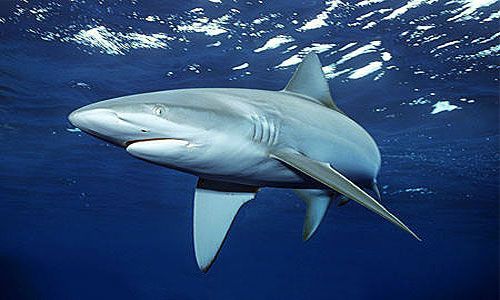
When he reached a depth of about 39 meters, he spotted a Galapagos shark measuring approximately 2.7 meters in length. He fired a tag and implanted it near the shark's dorsal fin. However, the shark immediately charged from just one meter away and bit his head. Dr. Hoyos recalled the moment, saying, "My entire head was inside the shark's mouth in less than a second," and that he heard his skull creaking.
The shark then released his head and swam away, but the attack left his mask filled with blood and water, and his air hose severed. Having lost his vision, he could only confirm that the shark was moving away by its shadow. Dr. Hoyos stated, "If the shark had wanted to, it could have killed me."
27 Wounds... "Shark Reacted Defensively Out of Surprise"
Injured and with his breathing equipment malfunctioning, he ascended slowly to avoid decompression sickness. Once at the surface, he received first aid from a colleague and was transported to a nearby hospital, where he is awaiting jaw surgery. Dr. Hoyos sustained a total of 27 wounds to his scalp and face, all matching the marks of shark teeth.
Dr. Alex Antoniou of the nonprofit marine research and conservation group Fins Attached, who was also conducting research at the time, said, "He responded differently than an ordinary diver because he understands shark behavior," adding, "Nature is unpredictable."
Dr. Hoyos, who has studied a variety of sharks such as great white sharks and tiger sharks for 30 years, explained, "I inhaled, but no air came in. Still, I calmly thought about what I needed to do." Regarding the female shark's reaction at the time of the incident, he said, "She was startled by the tagging and responded defensively," adding, "The shark was scared too. It was neither my fault nor the shark's fault."
© The Asia Business Daily(www.asiae.co.kr). All rights reserved.
![Clutching a Stolen Dior Bag, Saying "I Hate Being Poor but Real"... The Grotesque Con of a "Human Knockoff" [Slate]](https://cwcontent.asiae.co.kr/asiaresize/183/2026021902243444107_1771435474.jpg)















