On September 30, the Incheon city government announced that it will establish a dedicated department called the "Loneliness Bureau" in January next year to address the growing trend of single-person households and the spread of social isolation and loneliness.
The city plans to use an integrated platform to identify individuals at risk and support their return to daily life through personalized counseling, company visits, and job placement. In addition, it will encourage healthy leisure activities by promoting participation in cultural, artistic, and sports programs, and will prevent a return to isolation or reclusion by creating community communication spaces and strengthening case management through networks with related organizations.
Furthermore, the "Happy Companionship Project," which supports self-help groups, dietary improvement, and financial education for single-person households, will be expanded from the current three districts to six.
The city will also implement the "Loneliness Zero, Life On" project, which selects high-risk individuals for suicide among those identified as experiencing loneliness and provides tailored programs for them. Through these efforts, the city aims to resolve isolation and disconnection and proactively address suicide risk factors.
The number of "Life-Respect Safe Villages" will also be gradually increased from 42 to 78, and the "Life Keeper" sector will be expanded from seven to eight areas, with the goal of strengthening suicide prevention initiatives across the board.
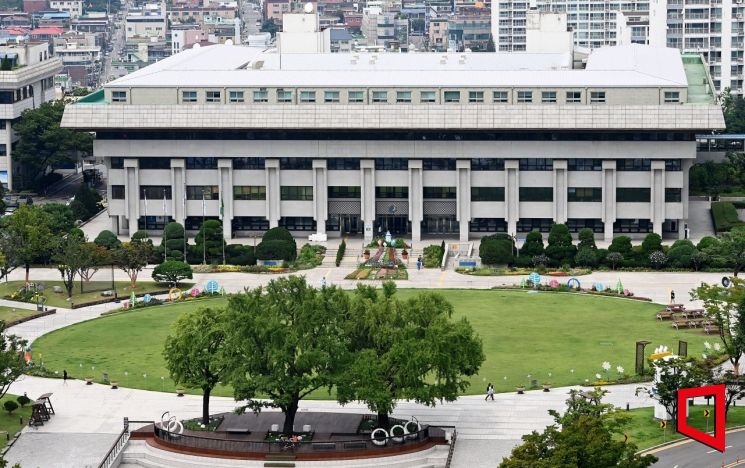
This year, the city established a support platform and reorganized existing projects through the "Loneliness Task Force." Starting next year, the organization will be expanded into the Loneliness Bureau to establish a systematic response system.
According to Statistics Korea, the number of single-person households in Incheon has increased by an average of 6% per year since 2020, accounting for 32.5% of all households as of the end of last year. In particular, the proportion of single-person households is high among those aged 25 to 34 (20.7%) and 60 to 69 (19.1%), indicating that loneliness is becoming a more serious issue among both young people and the elderly.
A recent survey by the Incheon Institute also highlighted loneliness as an emerging social issue, with 70.8% of elderly Incheon residents (aged 60 to 80) responding that they "feel lonely."
Shin Byungchul, Director of Health and Welfare at the Incheon city government, stated, "Loneliness policy is an important task that can contribute not only to individual happiness but also to the overall well-being and health of society. We will establish a dedicated support system at the administrative level so that citizens experiencing loneliness can seek help at any time."
© The Asia Business Daily(www.asiae.co.kr). All rights reserved.
![Clutching a Stolen Dior Bag, Saying "I Hate Being Poor but Real"... The Grotesque Con of a "Human Knockoff" [Slate]](https://cwcontent.asiae.co.kr/asiaresize/183/2026021902243444107_1771435474.jpg)















