Increase in Digestive and Joint Diseases During the Holidays
Moderation in Eating Habits and Proper Posture Are Essential
This year's Chuseok holiday will result in a seven-day break, starting with National Foundation Day on October 3, followed by Chuseok, substitute holidays, and Hangeul Day.
Depending on the situation, if you take a day off on Friday the 10th, you can enjoy an extended holiday of up to 10 days. As the holiday period lengthens, the number of patients visiting hospital emergency rooms for various illnesses increases, and it becomes easier to neglect health management due to the consumption of fatty foods, late-night snacks, and irregular lifestyles that are not usually part of one's routine.
Ulsan Elijah Hospital offers advice on how to enjoy the extended Chuseok holiday in good health.
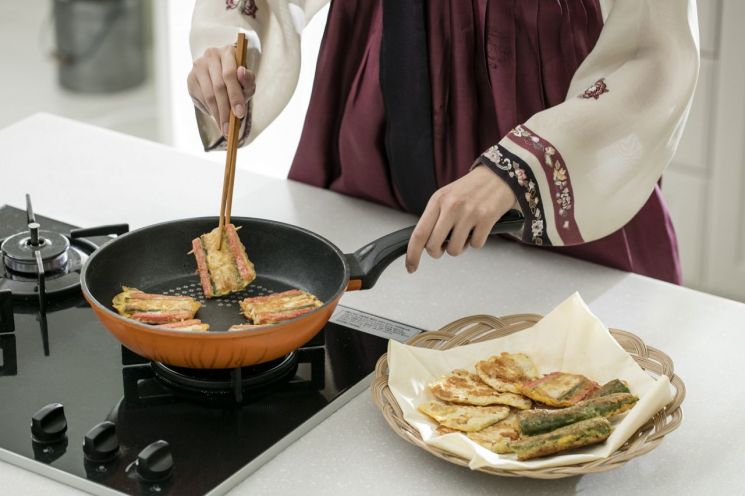 Digestive Diseases Related to Holiday Foods. (Not Related to News Coverage) Provided by Clipart Korea
▲ Digestive Diseases
During the holidays, there is a sharp increase in patients complaining of digestive symptoms such as abdominal pain and diarrhea. The main reason for the increase in patients with symptoms like bloating, abdominal pain, and diarrhea during the holiday period is the change in eating habits. Overeating, excessive drinking, and late-night meals, often prompted by the festive atmosphere, lead to the preparation and consumption of more food than usual, which can cause indigestion, reflux esophagitis, abdominal pain, abdominal bloating, diarrhea, and other gastrointestinal disorders. Although rare, food poisoning or holiday-related stress among homemakers can also trigger gastrointestinal issues.
Most holiday foods are oily and high in fat. Fatty foods lower the pressure of the sphincter between the stomach and the esophagus, causing stomach acid to reflux. Since the esophagus lacks a protective lining, the refluxed acid can damage it and lead to reflux esophagitis. In particular, many traditional Korean holiday foods are spicy and salty, which can easily irritate the stomach lining and place a burden on digestion, making symptoms like heartburn more likely.
Eating late at night can also reduce metabolic function and decrease stomach acid secretion compared to daytime, making indigestion more likely. Consuming fatty foods at night places a heavy burden on the digestive system, and going to bed immediately afterward can cause the sphincters of the stomach and esophagus to relax, leading to esophagitis or heartburn.
Chae Seungbyung, head of the Internal Medicine Department at Ulsan Elijah Hospital, advised, "If you want to avoid spending your enjoyable holiday in the hospital, you should refrain from overeating, excessive drinking, and late-night meals," adding, "Rather than consuming excessive amounts of high-calorie, high-fat foods, focus on foods that are easier on the stomach. If you must have a late-night snack, it is a good idea to engage in light exercise after eating to burn off the excess calories and prevent them from being stored as fat. This is an effective way to prevent digestive diseases."
Although rare, food poisoning can also be a cause of gastrointestinal illness. Due to large temperature fluctuations in early autumn and the recent trend of unusually warm autumns caused by abnormal weather patterns, the risk of food spoilage increases. In particular, holiday foods containing meat or fish spoil more easily, so extra care must be taken with storage.
To prevent food poisoning in the fall, in addition to careful food storage, it is important to manage personal hygiene by: ▲ washing hands with soap under running water for at least 30 seconds ▲ thoroughly cooking food ▲ boiling water before drinking ▲ washing fruits and vegetables in clean water and peeling them before eating ▲ not participating in food preparation if you have symptoms of diarrhea ▲ and cooking in a hygienic environment.
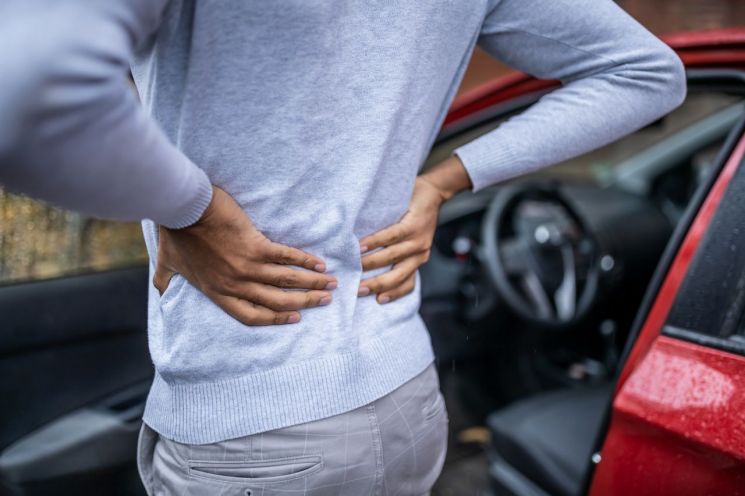
▲ Joint Diseases
Every year, the term "war" is used to describe the severe traffic congestion on highways before and after the holidays. Long-distance travel on congested highways can cause muscle stiffness and pain around the joints of the lower back, neck, knees, and arms. For those with spinal conditions such as herniated discs, symptoms may worsen, so extra caution is needed when driving long distances.
If fatigue accumulates in the spine or the ligaments and muscles weaken, spinal balance can be disrupted, resulting in pain. In particular, prolonged driving can impair blood circulation and cause tension myalgia in the neck, shoulders, and lower back.
For drivers traveling home or embarking on trips during the rare long holiday, maintaining spinal health involves sitting in the car by first placing your hips on the seat and then rotating your knees toward the steering wheel. It is also advisable to ensure that your thighs are well supported by the seat, and to keep the seatback angle at 100 to 110 degrees, resting your shoulders against the backrest.
Holding the steering wheel too close can strain the lower back and transmit impact directly to the body in the event of a collision, while holding it too far away puts excessive strain on the shoulders. Therefore, you should sit comfortably against the backrest and extend your arms so that your wrists touch the steering wheel.
When driving for long periods, avoid keeping items like wallets in your back pocket, as this can misalign the pelvis and cause lower back pain. If you usually experience lower back pain, using a lumbar support or rolling up a towel to place behind your back can help prevent discomfort. When getting out of the vehicle, it is better to rotate your knees out first rather than your lower back.
Lee Heeseong, head of the Joint and Spine Center at Ulsan Elijah Hospital, emphasized, "If lower back pain from long-distance driving mainly affects men, most women experience lower back pain from bending and straightening their backs repeatedly while preparing for the holidays. Sitting for long periods can cause the back to become hunched and worsen lower back pain, so when preparing food, it is helpful to use a table if possible and to alternate the use of a footrest to change your posture and prevent pain."
He also added, "If you inevitably have to work sitting down for long periods, it is best to stand up frequently, stretch, and straighten your back from time to time."
To prepare for sudden emergencies during the holiday period, it is advisable to check in advance which emergency medical institutions will be open during the holidays. This information can be found on the Emergency Medical Portal or the Emergency Medical Information app, and you can locate 24-hour pharmacies at the Holiday Pharmacy service.
In addition, if you need consultation or guidance for emergency patients, you can call 119 or contact your local public health center to receive information about on-duty medical institutions and pharmacies.
Ulsan Elijah Hospital will operate its emergency room 24 hours a day during the holiday period for the health of local residents, and will provide regular medical services on the substitute holiday on the 8th to minimize any gaps in care.
© The Asia Business Daily(www.asiae.co.kr). All rights reserved.
![Clutching a Stolen Dior Bag, Saying "I Hate Being Poor but Real"... The Grotesque Con of a "Human Knockoff" [Slate]](https://cwcontent.asiae.co.kr/asiaresize/183/2026021902243444107_1771435474.jpg)
















