EDC Feedstock Prices Plunge, PVC Margins Hit Yearly Highs
India, the World's Largest Importer, Continues to See Strong Demand Growth
Despite Tariff Risks, Korean Companies Anticipate Windfall Benefits
The price gap between polyvinyl chloride (PVC) and its raw material has reached its highest level this year. The price of ethylene dichloride (EDC), the main feedstock, has plummeted, resulting in the PVC-EDC spread hitting a yearly high. In particular, with demand continuing to grow in India-the world’s largest PVC importing country-there are rising expectations that the profitability of PVC manufacturers such as LG Chem and Hanwha Solutions will improve.
According to global petrochemical research firms such as PolymerUpdate on September 1, the price of PVC in Asia as of August, based on CFR (cost and freight) India, rose to $730-$760 per ton, up $30 from the previous month. In contrast, the price of EDC, the raw material, fell to around $180 per ton on a CFR Northeast Asia basis. The PVC-EDC spread exceeded $550 per ton, marking the highest level since the low $500 range in January. An industry official explained, “Due to structural oversupply from China, only EDC prices remain suppressed, which has led to the widened PVC spread.”
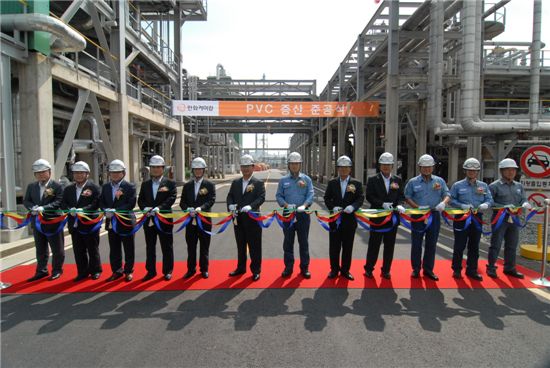 In 2012, Hanwha Chemical (now Hanwha Solutions) expanded its PVC (polyvinyl chloride) plant with a capacity of 42,000 tons at its Yeosu site in Jeollanam-do and held a completion ceremony. Asia Economy DB
PVC is a representative petrochemical product with steady basic demand worldwide for construction materials, infrastructure, and piping. While there are calls for eco-friendly conversion in Korea due to toxicity concerns, demand remains robust in emerging markets such as Southeast Asia. India is the world’s largest PVC importer, with imports exceeding 3.2 million tons last year. The industry estimates that annual PVC demand in India is about 4 million tons, with an average annual growth rate of around 6%. Since domestic production cannot keep up with demand, reliance on imports is inevitable for the time being.
This has also influenced the recent price rebound. Chemplast Sanmar, a major PVC producer in India, announced that it would raise domestic PVC prices starting August 1. As the second or third largest supplier in India, Chemplast Sanmar leads local market pricing. Another industry official said, “When local producers raise prices, it is widely expected that export offer prices will also rise, prompting buyers to purchase in advance. This has been partially reflected in export offer prices for Korean and Taiwanese products, driving up prices across Asia.”
This structure is also reflected in the export share of domestic companies. The main PVC production capacity in Korea, including LG Chem (690,000 tons per year) and Hanwha Solutions (810,000 tons per year), totals about 1.5 million tons annually. Korea exports about half of this amount, with one-third of those exports going to India. From January to August 2025, India ranked as the top export destination for Korean PVC, accounting for 30-38% of total exports.
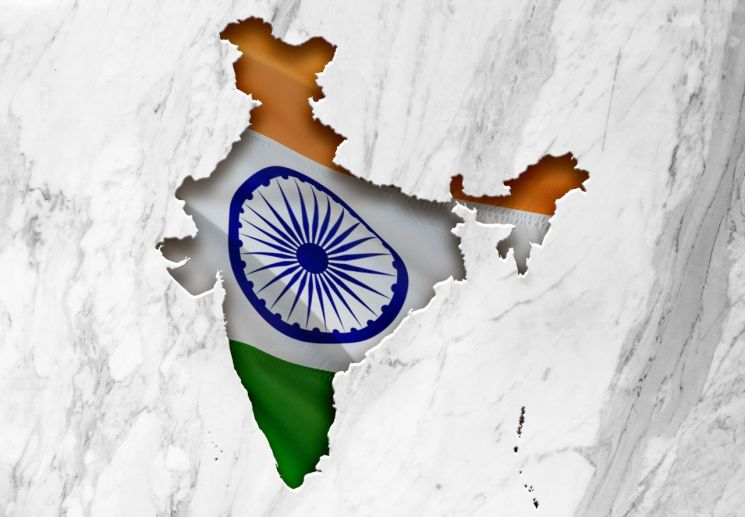
China boasts an overwhelming annual PVC production capacity of 24 million tons, but most of it is consumed domestically. As a result, exports to India remain at only 600,000-1 million tons per year. A Hanwha Solutions official stated, “With PVC demand rapidly increasing in India, the country is emerging as a new target market, replacing China, which was previously the main export destination.”
Institutional factors are also supporting the market atmosphere. The mandatory quality certification system, which was initially scheduled to take effect in June, has been postponed to the end of the year, alleviating short-term customs clearance risks. Market research firm S&P Global recently reported, “With India’s mandatory quality certification postponed to December, market attention is increasingly focused on India.”
India’s high tariff barriers also work in favor of domestic companies. In August, the Indian government finalized anti-dumping duties on suspension PVC (S-PVC), the type with the highest production share in Korea. As a result, LG Chem was levied an anti-dumping duty of $46 per ton, while Hanwha Solutions was exempted. This is lower compared to the $177 per ton proposed for Chinese companies. There are also projections that domestic companies could benefit from this in the short term.
© The Asia Business Daily(www.asiae.co.kr). All rights reserved.

















