Electronic ID Bill Passes in Switzerland with 50.4% Approval
Strong Privacy Concerns Persist; Previous Referendum Rejected the Measure
Opponents Remain Wary of Potential Marketing Use of Personal Data
Switzerland, once known as a haven for secret funds due to its strict privacy protection, has passed a bill to introduce electronic ID cards. According to Yonhap News on the 28th (local time), citing the BBC and The Guardian, "The Swiss national referendum narrowly approved the introduction of electronic ID cards with a 50.4% approval rate, while the remaining 49.6% opposed it." The voter turnout was recorded at 49.55%.
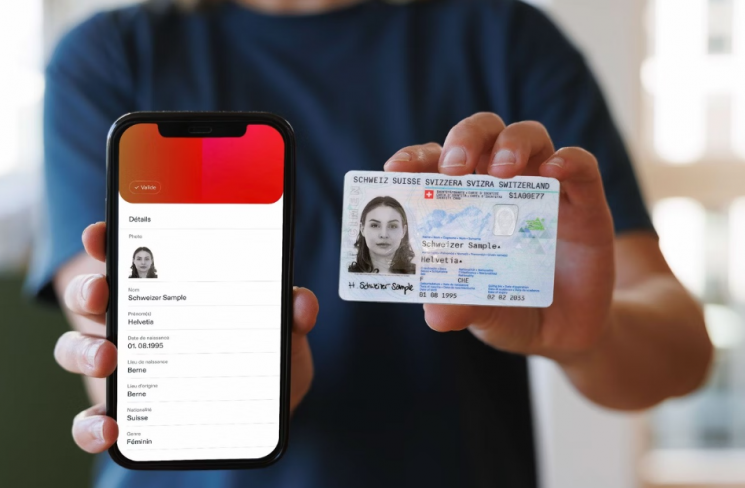
The fact that the bill for introducing electronic ID cards barely passed is considered an unexpected result. Previous opinion polls showed that up to 60% of the public supported the introduction of electronic ID cards, and both the Swiss authorities, as well as the upper and lower houses of parliament, had backed the plan.
In 2021, a national referendum on whether to introduce electronic ID cards was held, but it was rejected with about 64% voting against it due to concerns that private companies would manage personal data. Since then, the Swiss government has implemented several improvements to address concerns about personal data leaks, such as keeping the electronic ID card system under government management. Information will be stored only on each user's smartphone, and when a specific institution requests personal details such as age or nationality, only those specific details can be verified. Proponents of electronic ID cards argue that their introduction will make daily life more convenient and allow citizens to quickly complete various administrative procedures without having to visit government offices.
However, given Switzerland's strong emphasis on privacy, there has been significant opposition claiming that electronic ID cards could infringe on personal privacy. Opponents are concerned that personal information could be used to track individuals or for marketing purposes. Although electronic ID cards are optional and physical ID cards can still be used, there are voices suggesting that electronic ID cards could eventually fully replace physical ones.
Since the 17th century, Switzerland has strictly guaranteed banking secrecy, which was also introduced to protect individuals' finances from state surveillance. However, since the 2010s, as international cooperation on financial information has strengthened, Switzerland has removed federal legal provisions that protected secret accounts.
© The Asia Business Daily(www.asiae.co.kr). All rights reserved.
![Clutching a Stolen Dior Bag, Saying "I Hate Being Poor but Real"... The Grotesque Con of a "Human Knockoff" [Slate]](https://cwcontent.asiae.co.kr/asiaresize/183/2026021902243444107_1771435474.jpg)















