"Electric Vehicle Conversion Must Play a Key Role in Carbon Neutrality"
Regulatory and Perception Reforms Needed, Along with Fostering the SME Parts Ecosystem
Experts have pointed out that regulatory improvements, such as a more flexible approach to certification, are needed to expand the base of electric vehicle conversions and foster the industry ecosystem. They emphasized that supplying new vehicles alone will not be enough to achieve the government's mid- to long-term carbon neutrality goals. As countries around the world are implementing various policy supports to grow the converted electric vehicle industry, Korea should also approach the issue from multiple angles, including government, academia, and the private sector.
At the Korea Mobility Industry Symposium held on the 19th, Sungyong Ha, president of the Korean Automobile Mobility Safety Society, stated, "Europe is leading the way in banning the sale of internal combustion engine vehicles, and in some countries, there are even restrictions on driving them domestically. Korea has also set a target to supply 3 million electric vehicles by 2030, but it is unlikely to be achieved through new car sales alone."
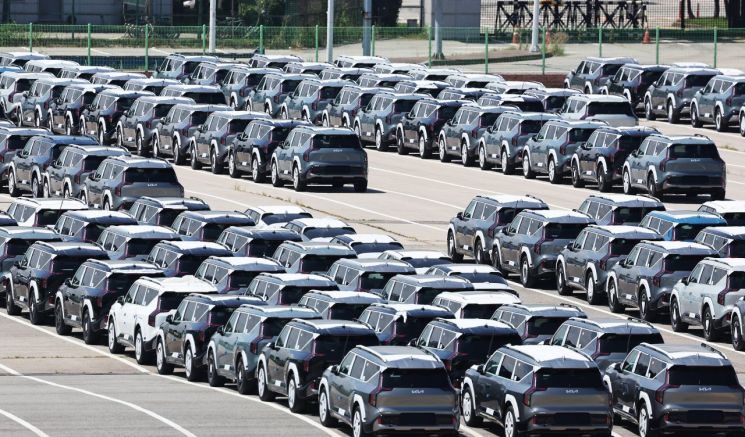
According to data from the Korea Automobile Mobility Industry Association, as of the end of last month, there were 26.43 million registered vehicles in Korea. Of these, only about 860,000 are electric vehicles (including hydrogen vehicles), accounting for just 3.3%. With annual electric vehicle sales hovering around 150,000 units, even if sales were to double or triple, achieving the target would be virtually impossible.
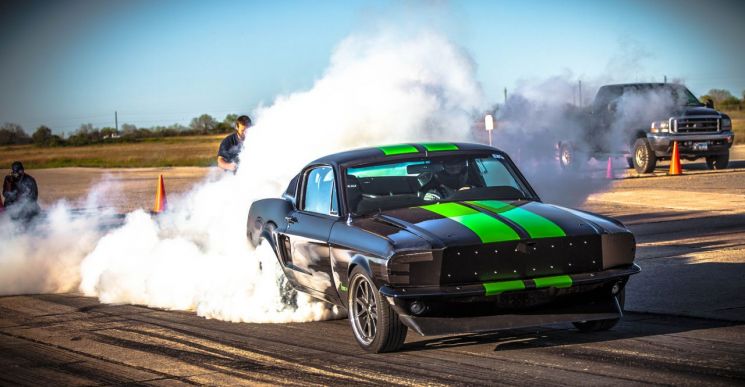 Zombie 222 by a US electric vehicle conversion company. It is an electric car based on the Ford muscle car Mustang. It delivers 800 horsepower and 248 kg·m of torque. Company website
U.S. and Europe have been experimenting since the 1950s
Global market size to reach 44 trillion won by 2034
Converted electric vehicles refer to vehicles originally powered by internal combustion engines that have been retrofitted with key components like motors and batteries. While this approach is still relatively unfamiliar in Korea, it is a major segment of the aftermarket in countries where vehicle modification and tuning are well established. Since the 1950s and 1960s, major automakers in the United States and Germany have experimented with various ways to convert their legacy internal combustion engine models. By the 1990s, companies began selling kits that bundled conversion parts together.
The market initially centered around famous classic cars released in the early 20th century, but as efforts to reduce carbon emissions gained momentum, it has expanded into high-performance vehicles and other segments. In Korea, since the 2010s, fostering the automotive tuning industry has become a key policy initiative, and converted electric vehicles have been identified as a promising area. Industry estimates put the global market size at 4.7 billion dollars (about 6.5 trillion won) this year, and project it to reach 31.8 billion dollars (about 44.4 trillion won) by 2034.
Nevertheless, experts say that the primary reason the domestic market and industry have not grown significantly is due to regulatory barriers, particularly around certification. Jooyong Kim, CEO of Lala Classic, a company specializing in vehicle modification and restoration, said, "Due to insufficient regulations on vehicle tuning, there are no cases where conversion has been industrialized, and only a few cases exist where completed vehicles from automakers have been retrofitted with electric drive systems and released as new cars."
According to Kim, electric vehicle conversions in Korea are subject to approval as vehicle tuning. Under current regulations, they must undergo safety verification tests equivalent to those for new vehicles, which is both costly and time-consuming. In particular, requirements such as a 3,000-kilometer driving test, electromagnetic compatibility tests, and drive battery safety tests are a significant burden for small and medium-sized companies.
He added, "Just preparing for the various tests costs over 500 million won and takes more than a year. The bigger problem is that even after going through these procedures and obtaining approval, applying the same system to a different vehicle model is not allowed, and the entire process must be repeated."
"Need to improve certification system and public perception"
President Lee's administration committed to fostering the tuning industry
Experts also point to the limited base for vehicle conversions, the performance gap with new electric vehicles produced by automakers, and lingering social bias against converted electric vehicles as obstacles to market expansion. The dominant position of Hyundai Motor Company and Kia in the automotive parts ecosystem is also seen as a barrier to entry.
Ha explained, "For example, there was a national R&D project to convert the 1-ton Porter truck into an electric vehicle, but Hyundai Motor Company quickly developed and released a new electric Porter. Small parts suppliers need to be able to develop simple conversion kits that can be installed by consumers or local repair shops, but automakers are naturally opposed to this."
President Lee Jaemyung pledged to revitalize the automotive tuning industry as part of his presidential campaign. The recently finalized five-year national policy plan also includes a strategy to phase out internal combustion engine vehicles tailored to different vehicle types and consumer needs. The government is reportedly considering simplifying or rationalizing regulations related to electric vehicle conversions as well.
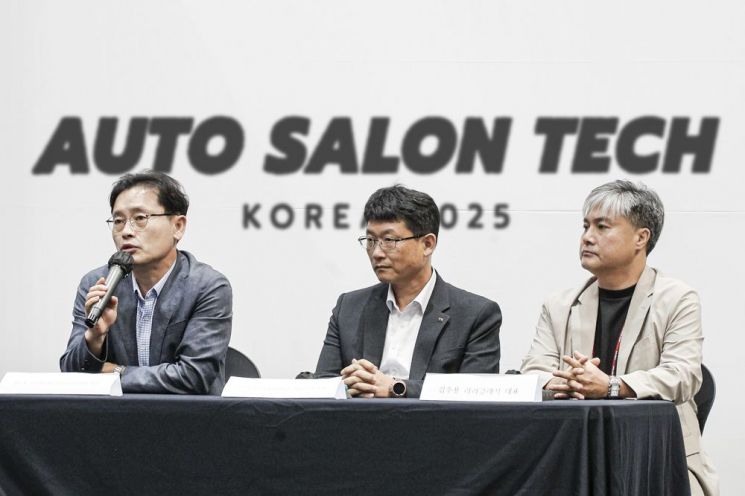 Sungyong Ha, president of the Korean Automobile Mobility Safety Society (from left), Hokyung Kim, team leader of the Korea Transportation Safety Authority, and Jooyong Kim, CEO of Lala Classic, are answering questions from the press after their presentation at the Korea Mobility Industry Symposium held at KINTEX on the 19th. Provided by the Korea Automobile Journalists Association
The government is aware that, despite the availability of relevant technology, commercialization remains difficult. Current testing requirements were established in 2009 and are now considered outdated, so the government plans to simplify and expedite the testing process. Although there have not been many electric vehicle conversions so far, the government expects that, with broader eligibility, up to 3,000 vehicles per year could benefit from support by 2028.
Hokyung Kim, team leader at the Korea Transportation Safety Authority, said, "We plan to enhance electric vehicle conversion technology, support safety certification and commercialization through the tuning system, and develop safety verification technologies to promote industrialization. We will also help the maintenance industry, which is facing a crisis due to declining demand for internal combustion engine repairs, transition to electric vehicle maintenance and tuning specialists, thereby securing competitiveness in the eco-friendly era."
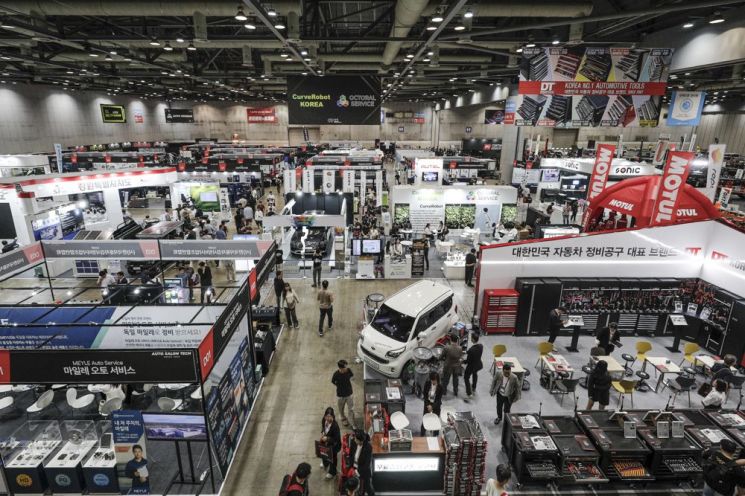
The symposium was held as a side event of Auto Salon Tech Korea 2025, a specialized exhibition for the automotive aftermarket that opened on the same day.
© The Asia Business Daily(www.asiae.co.kr). All rights reserved.



















