Risk of Autumnal Febrile Diseases Such as Scrub Typhus on the Rise
Park, a man in his 50s living in Buk-gu, Ulsan, is already worried about this year's grass-cutting ahead of Chuseok, recalling how he had to spend several weeks in the hospital last year after doing the same task.
Park, who is particularly sensitive to heat, wore short clothing and spent the entire afternoon cutting grass under the midday sun. Just before the Chuseok holiday, he began experiencing high fever, headaches, and muscle pain. However, Park dismissed these symptoms as a common cold caused by the temperature difference in early autumn. When cold medicine failed to improve his condition and he began to suffer from vomiting and diarrhea, he visited a nearby hospital emergency room. There, he was diagnosed with scrub typhus, caused by a mite bite during grass-cutting, and had to be hospitalized for several weeks.
With the hot summer now over, the Chuseok holiday, which marks the true beginning of autumn, is just two weeks away.
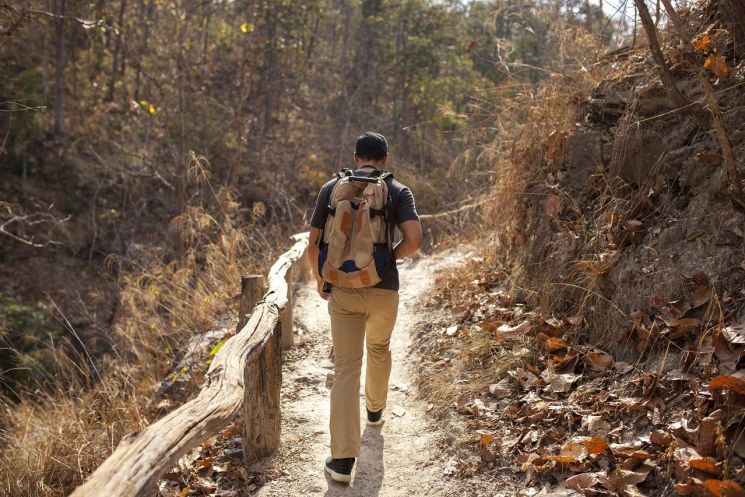
This year, the unusually long holiday has led many people to plan overseas trips and outdoor excursions. As a result, not only are more people cutting grass early, but there is also a sharp increase in travelers hoping to enjoy the brief autumn. Local regions are expected to see a rise in unique autumn festivals, hiking, viewing fall foliage, and other outdoor activities.
However, this period each year is also when infectious febrile diseases caused by ticks and various bacteria become more frequent due to increased outdoor activities.
The Korea Disease Control and Prevention Agency issues annual warnings about diseases that become more prevalent in autumn, such as scrub typhus, hemorrhagic fever with renal syndrome, and leptospirosis.
According to the "2024 Infectious Disease Notification Status Yearbook" released by the Korea Disease Control and Prevention Agency in June 2024, scrub typhus, classified as a third-degree infectious disease, has continued to increase since the COVID-19 pandemic, with 6,268 cases reported-a 10.7% rise compared to the previous year.
Scrub typhus is an infectious disease caused by Orientia tsutsugamushi bacteria. It is transmitted when a person is bitten by the larva of a chigger mite, which parasitizes rodents such as field mice living in fields or grassy areas. The bites usually occur on exposed areas such as the arms, legs, or neck, and most infected individuals develop a scab at the bite site.
When engaging in outdoor activities such as grass-cutting, it is important to wear long sleeves and long pants to minimize skin exposure and prevent tick bites. Applying tick repellent to the skin or clothing can also help. Additionally, do not remove clothing or lie down in grassy areas during outdoor activities, and be sure to wash clothes and clean your hands and feet thoroughly after returning home.
Scrub typhus has an incubation period of about 10 to 12 days, so symptoms typically appear 1 to 3 weeks after exposure. As in Park's case, initial symptoms include fever and excessive sweating, which can progress to headaches, fatigue, and muscle pain. Gastrointestinal symptoms such as vomiting and diarrhea may also occur, and there is a risk of complications such as bronchitis, pneumonia, and myocarditis.
Lee Hangang, an internal medicine specialist at Ulsan Elijah Hospital, stated, "Most infectious febrile diseases in autumn do not have developed vaccines, so prevention is most important. It is best to avoid entering grassy areas during autumn, and if outdoor activities such as grass-cutting are unavoidable, take extra care to ensure your skin is not exposed."
Dr. Lee also emphasized, "After going outside, always shower and wash your clothes thoroughly to maintain personal hygiene. Especially for the elderly and vulnerable, if you develop a high fever after outdoor activities, do not ignore the symptoms. Visit a nearby hospital for an accurate diagnosis and proper treatment to reduce the risk of complications and death."
In addition to scrub typhus, other infectious febrile diseases that are common in autumn include hemorrhagic fever with renal syndrome and leptospirosis. Hemorrhagic fever with renal syndrome is transmitted through the respiratory tract by contact with the excreta or saliva of infected field mice. Early symptoms are similar to the flu, and 3 to 5 days after infection, red spots appear on the face and body.
In severe cases, symptoms such as shock, proteinuria, frequent urination, and bleeding may occur. If internal organs are affected by bleeding, the condition can be life-threatening. Unlike other diseases, there is a preventive vaccine for hemorrhagic fever with renal syndrome, so those at high risk, such as soldiers and farmers, are advised to get vaccinated in advance.
Leptospirosis is transmitted through the urine of livestock or wild animals. Infection can also occur by contact with contaminated river water, groundwater, or soil. After an incubation period of 7 to 12 days, symptoms such as sudden fever, headache, chills, and severe muscle pain appear. If treatment is delayed, acute renal failure, systemic bleeding, jaundice, and kidney damage can occur, resulting in a fatality rate of 3 out of 10. Even minor scratches can lead to infection, so it is essential to wear personal protective equipment when handling potentially contaminated materials.
© The Asia Business Daily(www.asiae.co.kr). All rights reserved.
![Clutching a Stolen Dior Bag, Saying "I Hate Being Poor but Real"... The Grotesque Con of a "Human Knockoff" [Slate]](https://cwcontent.asiae.co.kr/asiaresize/183/2026021902243444107_1771435474.jpg)















