First Media Interview in Seven Years Since Exile
"A Million Roses" Singer, Russia's National Diva
Awarded the Title of "People's Artist of the USSR" in 1991
Alla Pugacheva, the legendary Russian pop singer who has been called the "People's Diva" since the Soviet era, has openly criticized Russia's invasion of Ukraine.
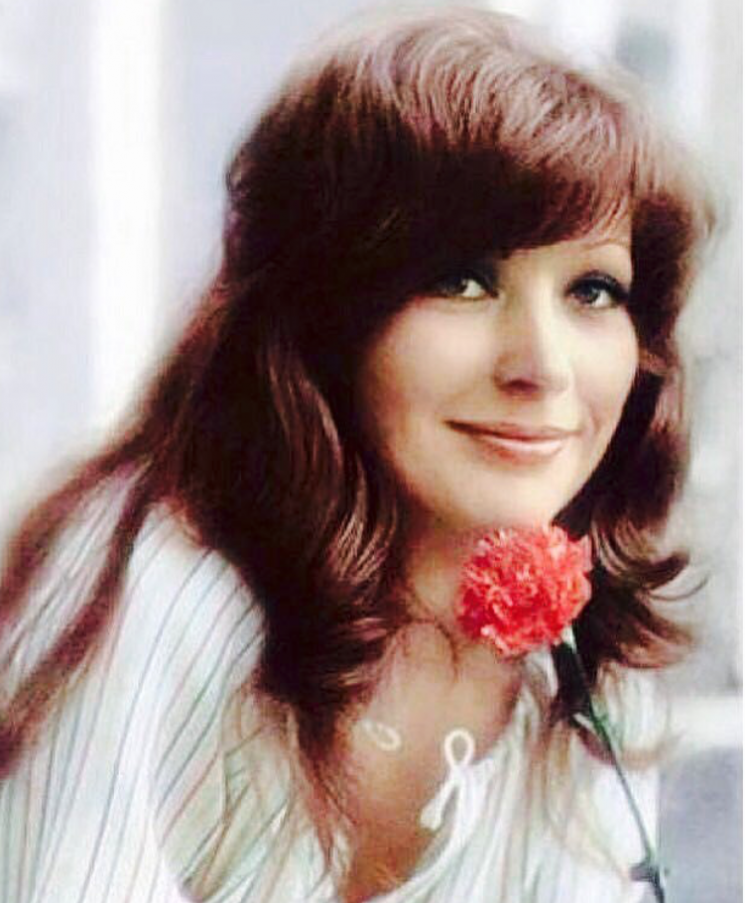 Pugachova's song "Million Roses," sung in 1982, is also well known to Koreans. The original song was the 1981 Latvian pop song "Life Given by Mara," and Pugachova changed the lyrics completely to a different content and sang it again in Russian. Since then, this song has been adapted into Korean, English, and Japanese as well. Pugachova Instagram
On September 10, Russian journalist Katerina Gordeeva, who is currently in exile, released a 3-hour and 38-minute interview with Pugacheva on her YouTube channel. The interview was conducted in mid-August at Pugacheva's home in Latvia. Within just two days of its release, the video had garnered approximately 7 million views and over 80,000 comments.
Pugacheva's husband, comedian Maxim Galkin, has voiced opposition to the war since February 2022, immediately after Russia's invasion. As a result, he faced threats from Russian authorities and right-wing figures. At the time, Pugacheva personally met with Sergey Kiriyenko, a close associate of Vladimir Putin and former prime minister, in an effort to protect her husband. Although Kiriyenko reassured her by saying, "You are a national pride," just two days after the meeting, Russian authorities officially designated Galkin as a "foreign agent."
Family Forced to Leave Russia as Sanctions Intensify
In Russia, being designated a foreign agent means being treated as an international lobbyist and subjected to sanctions. When even their children began to face harassment, the family ultimately left Russia. In the interview, Pugacheva explained that she had supported President Vladimir Putin and even campaigned for him in the early days of his administration, saying, "He said truly remarkable and correct things, even about Ukraine." However, she stated, "Now, everything is shocking. Pointing out that your country is doing wrong is patriotism," expressing her opposition to the war in Ukraine.
 The legendary Russian pop singer Alla Pugacheva, known as the "People's Diva" since the Soviet era. YouTube channel Say Gordeeva (Скажи Гордеевой)
When asked by the interviewer whether she had considered staying in Russia, Pugacheva replied, "Both my husband and I decided that it was impossible to remain silent. Conscience is more valuable than fame, luxury, or anything else-especially at my age." After her husband was designated a "foreign agent," she publicly voiced her opposition to the war on Instagram and even demanded that Russian authorities designate her as a foreign agent as well. Pugacheva said, "I will not go into detail about how terrible this (the war in Ukraine) is. Everyone knows that I am against the war, and I believe our country is suffering greatly. However, the suffering in our country is only the second greatest; the greatest suffering is being endured by Ukraine."
The Washington Post reported that this was Pugacheva's first in-depth media interview in seven years. Gordeeva, who conducted the interview, told the Washington Post, "Unlike in the West, Russia has very few stars. Pugacheva is incredibly influential, but she has mostly refrained from speaking out and is a symbolic figure." Since the 1960s, Pugacheva has enjoyed overwhelming popularity in Russia as the "People's Diva." In 1991, she was awarded the title of "People's Artist of the USSR." According to the Washington Post, during the Soviet era, there was even a joke that "Leonid Brezhnev (former General Secretary of the Communist Party of the Soviet Union) was just a minor politician in the 'Alla Pugacheva era.'"
The song "A Million Roses," sung by Pugacheva in 1982, is also well known to Koreans. The original song was the 1981 Latvian pop song "Life Given by Mara," and Pugacheva changed the lyrics completely to a different theme and sang it again in Russian. Since then, the song has been adapted into Korean, English, and Japanese as well.
© The Asia Business Daily(www.asiae.co.kr). All rights reserved.


















