A Response to High Rent and Job Scarcity
"Nomadic Lifestyles" Emerge as Young People Move Between Gyms with Affordable Memberships
Reports have emerged that a growing number of young people in China are using gyms as temporary living spaces. As high rent, living expenses, and a tough job market converge, 24-hour gyms are becoming a kind of "alternative accommodation."
On September 9, Chinese media outlet The Paper reported that more and more people in their 20s and 30s are saving on housing costs by using chain gyms, especially in major cities like Beijing. Rather than working out, these individuals are laying yoga mats on the floor to sleep or using only the shower facilities. One office worker said, "I came to exercise but ended up falling asleep. Right now, I need sleep more than I need exercise."
In particular, the low cost of monthly gym memberships is making gyms a viable housing alternative. For about 200 yuan (approximately 37,000 won), members can use any branch without regional restrictions, allowing them to rest at different locations without a fixed residence. The media outlet reported that some young people practice a "nomadic lifestyle," taking short breaks at a branch near their workplace during lunch and moving to another branch after work to get a full night's sleep.
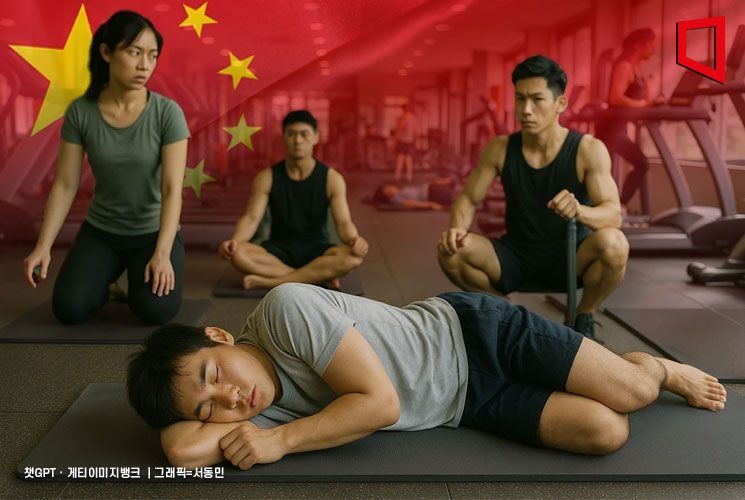
Gyms are in a difficult position. Some operators have stated, "Short breaks during workouts are allowed, but long-term stays for the purpose of sleeping are prohibited," enforcing a "no sleeping" policy. However, as more young people use gyms as temporary shelters to save money, it is expected that related controversies will continue for the time being.
The backdrop to this phenomenon is the high cost of housing. Monthly rent for a one-bedroom apartment in central Beijing ranges from 6,000 to 15,000 yuan (about 1.1 million to 2.7 million won), while even in the suburbs, rent is between 4,000 and 7,000 yuan (about 740,000 to 1.3 million won). This is a heavy burden for young people to bear.
Experts therefore analyze this not as a simple act of rebellion by young people, but as a "survival strategy in response to economic pressures such as high rent, rising prices, and increasing unemployment."
© The Asia Business Daily(www.asiae.co.kr). All rights reserved.
![Clutching a Stolen Dior Bag, Saying "I Hate Being Poor but Real"... The Grotesque Con of a "Human Knockoff" [Slate]](https://cwcontent.asiae.co.kr/asiaresize/183/2026021902243444107_1771435474.jpg)
















