High in Calories and Caffeine
Causes Obesity and Sleep Disorders in Teenagers
The UK government has announced a measure to prohibit teenagers under the age of 16 from purchasing energy drinks containing high levels of caffeine. This decision was made because energy drinks, which are high in calories and contain large amounts of caffeine, are believed to cause obesity in teenagers, lead to sleep problems, and decrease concentration. On September 2 (local time), international media outlets such as The Guardian reported that the UK government has implemented the policy regarding high-caffeine consumption among teenagers, which was a pledge made during last year's general election.
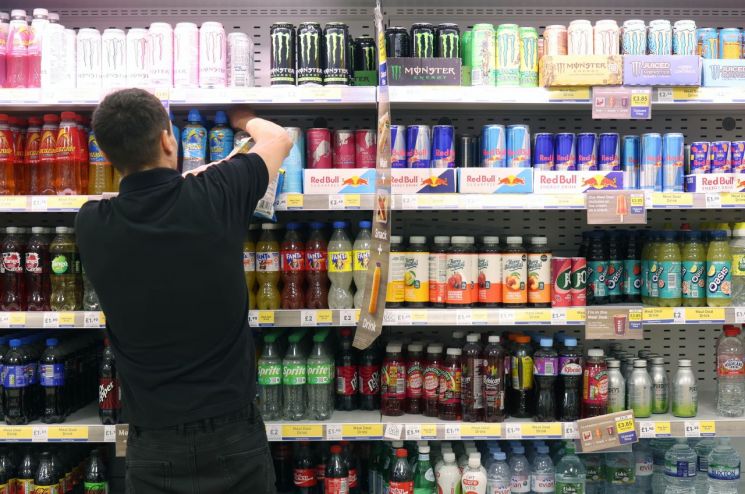 The UK government has announced a measure prohibiting adolescents under the age of 16 from purchasing energy drinks containing high caffeine. This is because energy drinks, which are high in calories and contain large amounts of caffeine, are judged to cause obesity in adolescents, disrupt sleep, and reduce concentration. Photo by EPA Yonhap News
Under this policy, stores, cafes, restaurants, and websites will no longer be allowed to sell energy drinks containing more than 150 mg of caffeine per liter to those under the age of 16. Beverages containing more than 150 mg of caffeine per liter already carry warning labels stating that they are "not suitable for children."
However, it is still unclear whether sales through vending machines will also be banned. Teas, coffee, and soft drinks with lower caffeine content are not affected by this measure.
Wes Streeting, the UK Secretary of State for Health and Social Care, said, "How can children perform well at school when they are drinking as much caffeine as is in a double espresso every day?" He added, "Energy drinks may appear harmless, but they are affecting children's sleep, concentration, and overall well-being." He also emphasized, "Energy drinks with high sugar content damage teeth and cause obesity." Bridget Phillipson, the Secretary of State for Education, stated, "This measure will help address the root causes of inappropriate classroom behavior caused by the harmful effects of caffeinated drinks."
Excessive Consumption of High-Caffeine Beverages by Teenagers May Hinder Growth
Caffeine found in energy drinks and coffee not only provides a temporary boost in alertness, but also causes side effects such as increased heart rate and elevated blood pressure, and interferes with the absorption of essential nutrients like iron and calcium. In particular, for adolescents in their growth phase, calcium absorption is crucial for bone and muscle development, so indiscriminate consumption of high-caffeine beverages can hinder growth. A study by the University at Buffalo in the United States found that when 96 adolescents aged 8 to 17 consumed high-caffeine beverages, all participants experienced an increase in heart rate and blood pressure.
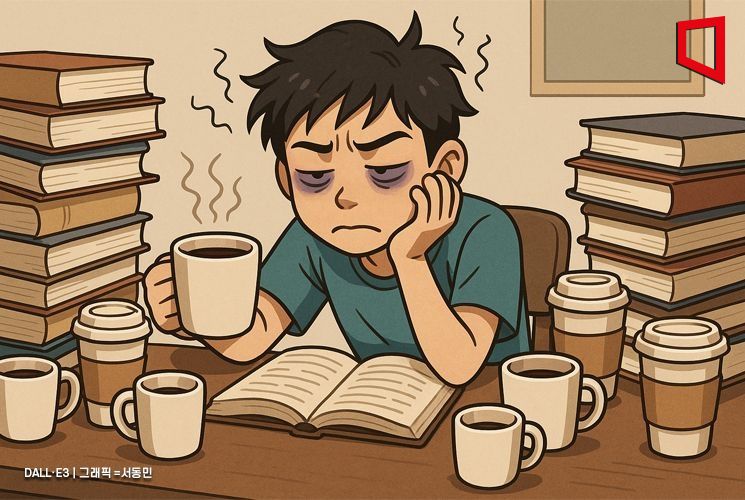 Meanwhile, not only in the UK but also among domestic adolescents, the consumption rate of high-caffeine beverages three or more times a week is increasing every year. Even adults complain of side effects such as palpitations, cold sweats, and headaches when consuming excessive caffeine, raising concerns as growing children freely consume coffee and energy drinks without hesitation. Asia Economy
According to a survey by the National Association of Schoolmasters Union of Women Teachers (NASUWT) in the UK, 71% of teachers expressed concern about students misusing energy drinks at school. In an interview with The Guardian, one teacher stated, "Energy drinks make it difficult for students to concentrate and to sit still." Another teacher said, "Energy drinks seem to make it harder for students to focus and participate in learning, and they make students louder and more distracted." There have been concerns about young children who consume energy drinks on their way to school "bouncing off the walls during class."
Health experts, education unions, and dentists have welcomed this ban, saying it will improve the health of children and teenagers. Katharine Jenner, director of the Obesity Health Alliance in the UK, stated, "Children will no longer be able to get their hands on high-caffeine energy drinks," adding, "This is a common-sense, evidence-based measure to protect children's physical, mental, and dental health."
Meanwhile, not only in the UK but also among domestic adolescents, the rate of consuming high-caffeine beverages three or more times a week is increasing every year. While adults also report side effects such as palpitations, cold sweats, and headaches from excessive caffeine intake, there is growing concern as young students in their growth phase freely consume coffee and energy drinks without hesitation. According to the Korea Disease Control and Prevention Agency, a survey of 54,653 students from 7th to 12th grade nationwide last year found that 23.5% of respondents said they drank high-caffeine beverages three or more times a week. This figure has jumped significantly from 3.3% in 2015, 8% in 2017, and 12.2% in 2019.
© The Asia Business Daily(www.asiae.co.kr). All rights reserved.
![Clutching a Stolen Dior Bag, Saying "I Hate Being Poor but Real"... The Grotesque Con of a "Human Knockoff" [Slate]](https://cwcontent.asiae.co.kr/asiaresize/183/2026021902243444107_1771435474.jpg)
















