Recently, the trend of sleepmaxxing has been rapidly spreading, especially among Generation Z.
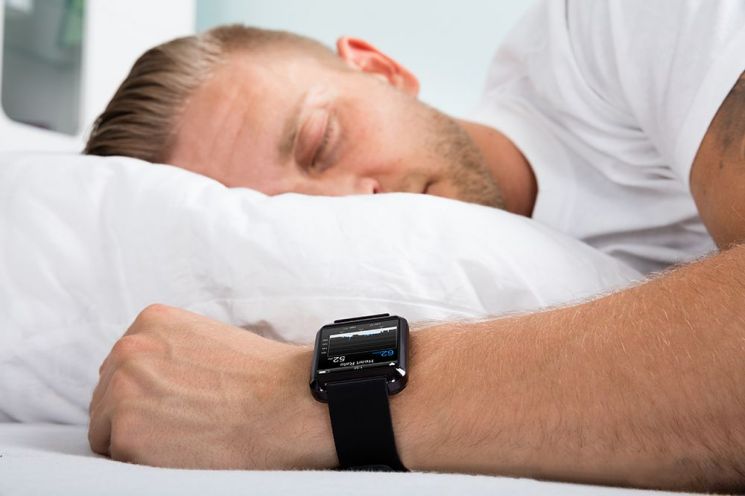
Sleepmaxxing is a portmanteau of "sleep" and "maxxing," referring to efforts to maximize the quality of sleep.
People are adopting various sleep routines such as using sleep masks, consuming magnesium drinks, mouth taping, listening to sleep ASMR, using cooling pillows, and tracking their sleep. They share these routines on social media platforms. Related content has recorded over 100 million views on TikTok.
Sleep is an essential physiological process for full-body recovery and regeneration. Adequate sleep helps restore physical and mental fatigue, regulates emotions, relieves stress, strengthens immune function, and improves memory and learning abilities, among other physiological benefits.
However, attempts to excessively control or artificially optimize sleep, such as through sleepmaxxing, may actually disrupt the autonomy and natural flow of sleep, so caution is needed.
Methods such as consuming drinks or supplements with specific ingredients, or mouth taping, not only lack sufficient scientific evidence but can also pose health risks for those with underlying conditions such as sleep apnea, rhinitis, or anxiety disorders.
Furthermore, ignoring the body's natural sleep signals like drowsiness and fatigue in favor of external routines can lower sleep quality. Recording sleep through social media or sleep apps can turn sleep into a performance metric, becoming a source of stress. The obsession with "sleeping well" can trigger anxiety and tension, which may become major causes of worsening insomnia.
Yoo Youngsun, head of the Department of Psychiatry at Daedong Hospital (psychiatrist), advised, "Sleep is a time for recovery, so rather than striving to sleep well, the key is to create an environment and habits that allow our bodies to naturally fall asleep. It is important to maintain basic sleep hygiene, and if sleep problems interfere with daily life, it is necessary to consult a psychiatrist to assess your condition and receive appropriate treatment."
Going to bed and waking up at the same time every day helps regulate the body's physiological rhythm and promotes quality sleep, so it is important to maintain a regular sleep schedule.
If the temperature of the sleep environment is too high or too low, the body uses energy to regulate its temperature, which can interfere with deep sleep and increase nighttime awakenings. Generally, a temperature range of 18 to 22 degrees Celsius is appropriate, and a quiet, dark environment is helpful for quality sleep.
Using electronic devices such as smartphones before bed suppresses melatonin secretion due to blue light, delaying sleep onset. Therefore, it is best to avoid such devices for 1 to 2 hours before bedtime. In the evening, avoid caffeine, alcohol, and nicotine, and engage in activities such as meditation, reading, or taking a warm bath to relax and prepare the body for sleep.
Common symptoms of insomnia include difficulty falling asleep, frequent awakenings during the night, trouble falling back asleep after waking, and feeling tired or unrefreshed even after sleeping. If sleep does not improve despite various efforts, if symptoms persist for more than three months, if daily life is affected, or if severe fatigue, depression, or anxiety due to insomnia is present, it is recommended to seek consultation and treatment from a psychiatrist.
© The Asia Business Daily(www.asiae.co.kr). All rights reserved.

















