Three Out of Four Ultra-Low-Priced Domestic Products on Overseas Platforms Are Counterfeit
Seoul City Finds 15 Out of 20 Items to Be Fake After Inspection
Sales Halted for Clothing, Children's Toys, and More
Three out of four ultra-low-priced domestic products sold on overseas online platforms have been found to be so-called "counterfeit" items.
On August 29, Seoul City announced that it had inspected 20 products from seven domestic brands sold on overseas online platforms such as Aliexpress, and determined that 15 of them were counterfeit. The inspection covered six clothing items, three swimsuits, three miscellaneous goods, and eight children's toys, all sold at discounts of 45% to 97% off the regular price.
For clothing and swimsuits, all nine products from four brands were found to be counterfeit, with differences in logos and labels compared to authentic items. The labels were written in Chinese, lacked inspection marks, and did not include required information such as the manufacturer's name or handling precautions.
In particular, clothing items were sold with altered designs, such as sleeveless products being sold as short-sleeved, and the fabric quality was very poor. For swimsuits, authentic products display size information directly printed on the fabric, while counterfeit items had labels sewn onto the fabric instead.
All three miscellaneous goods from two brands were also determined to be counterfeit. For bags, the product size, logo position and size, zipper slider, and other component shapes and materials differed from those of authentic products. Hairpins had different fabric materials and gold foil colors compared to genuine items, and the packaging used OPP transparent plastic instead of the recycled envelopes or PVC zipper bags used for authentic products. The mat was confirmed to be a product not manufactured by the brand, indicating brand infringement.
Among eight children's toy products from three brands, three were found to be counterfeit. These products had loose joints, inferior paintwork and materials compared to authentic items, and posed risks of breakage and exposure to hazardous substances.
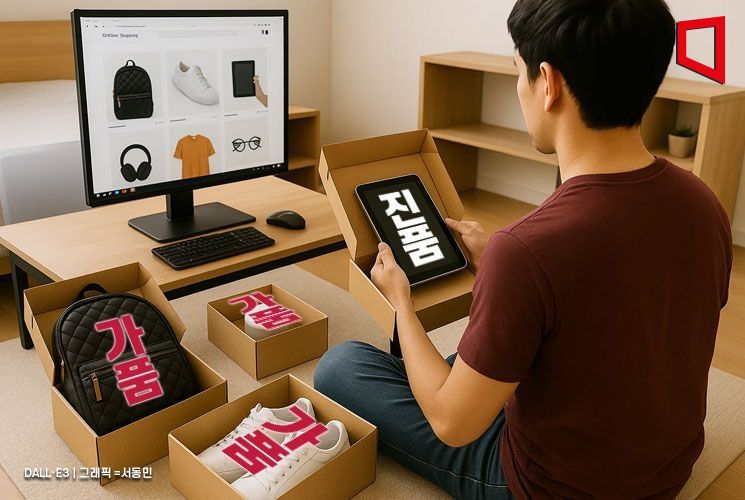
Seoul City stated that while the differences between counterfeit and authentic products are significant when compared in person, it is difficult for consumers to distinguish counterfeits online because sellers often use unauthorized images of genuine products. Furthermore, even after receiving the products, consumers may struggle to recognize counterfeits due to a lack of detailed information on criteria such as logo placement and sewing methods that can help identify authentic items.
To prevent damage from counterfeit products when purchasing through overseas direct purchase platforms, Seoul City emphasized that consumers should buy from official brand sellers and be especially cautious of products sold at prices significantly lower than the regular price, as these are highly likely to be counterfeit. Based on the findings of this inspection, Seoul City has requested that overseas online platforms halt sales of the counterfeit items. The city plans to continue monitoring the distribution of counterfeit goods along with safety inspections and to provide related information promptly to prevent consumer harm.
Kim Myungseon, Director of the Fair Economy Division at Seoul City, stated, "The distribution of counterfeit goods through overseas online platforms not only causes confusion and financial damage to consumers, but also undermines the credibility of authentic brands and seriously disrupts fair market order. We will continue to strengthen monitoring of counterfeit products and provide timely information and response measures to do our utmost to prevent consumer harm."
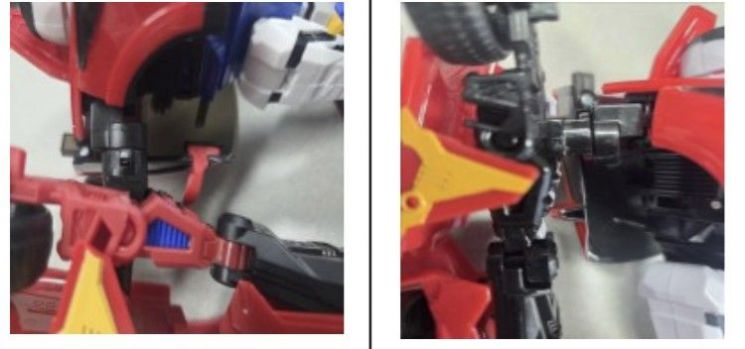 Counterfeit toys (right) sold on overseas online platforms such as AliExpress showed quality differences from genuine products in joints and other parts. Seoul City
© The Asia Business Daily(www.asiae.co.kr). All rights reserved.
![Clutching a Stolen Dior Bag, Saying "I Hate Being Poor but Real"... The Grotesque Con of a "Human Knockoff" [Slate]](https://cwcontent.asiae.co.kr/asiaresize/183/2026021902243444107_1771435474.jpg)
















