917 Out of 1,252 Cases Still "Under Investigation"
High Acquittal Rate and Low Sentences Highlight Need for Sentencing Guidelines
Joint Government Task Force for the Serious Accidents Act Urged
On the morning of August 28 at 10 a.m., Lee Gwanhu, Director of the National Assembly Research Service, held a press conference at the National Assembly Communication Center. He stated that despite the introduction of the Serious Accidents Punishment Act, the number of industrial accident victims continues to rise, and there has been no significant decrease in fatalities except at workplaces with between 5 and 49 employees.
Director Lee identified several reasons for the lack of effective results from the Act, including sluggish investigations and relatively low sentences and fines.
According to a comprehensive survey by the National Assembly Research Service of all 1,252 cases involving violations of the Serious Accidents Punishment Act, 917 cases (73%) remain unresolved and are still under investigation. Among these cases, 56.8% have taken more than six months to process. The acquittal rate stands at 10.7%, which is three times higher than the acquittal rate for general criminal cases (3.1%). The rate of suspended sentences is also high at 85.7%, 2.3 times the rate for general criminal cases (36.5%). The average fine imposed is 72.8 million won.
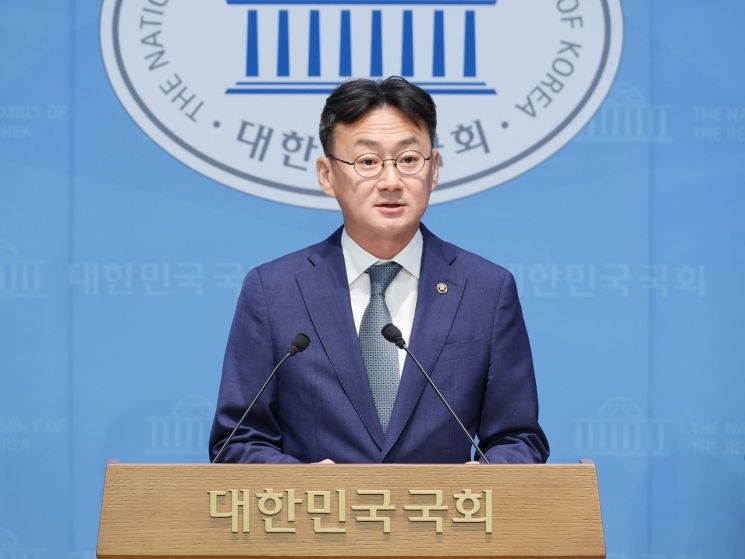
Director Lee explained that in order to reduce serious accidents, it is necessary to supplement the regulations on the establishment and implementation of occupational safety and health management systems in the enforcement decree, resolve delays in investigations, and establish sentencing guidelines.
He pointed out, "The reality that even when someone is seriously injured or killed at an industrial site, the average fine is only around 70 million won, falls far short of fulfilling the legislative purpose of the law. It is urgent to promptly resolve the backlog of cases that are still 'under investigation' (73%)." He went on to urge, "I hope that active measures will be considered, such as establishing a 'Joint Investigation Team for the Serious Accidents Punishment Act' (tentative name) involving prosecutors, police, and the Ministry of Employment and Labor."
In addition, he proposed other improvements, including both qualitative and quantitative expansion of industrial safety and health labor inspectors, the introduction of fines linked to sales profits as an economic sanction, and incentives based on market principles.
When asked by reporters after the press conference whether the ultimate goal was to raise the sentencing standards under the Serious Accidents Punishment Act, he replied, "Amending the enforcement decree is the responsibility of the executive branch, and the courts must establish sentencing guidelines and impose punishments, but the current approach does not align with the legislative intent." He clarified that this is not a matter of amending the law itself.
© The Asia Business Daily(www.asiae.co.kr). All rights reserved.
![Clutching a Stolen Dior Bag, Saying "I Hate Being Poor but Real"... The Grotesque Con of a "Human Knockoff" [Slate]](https://cwcontent.asiae.co.kr/asiaresize/183/2026021902243444107_1771435474.jpg)















