Improper Use of High-Concentration Alcohol and Bleach Is Prohibited
Risk of Long-Term Damage to Exterior and Internal Circuits
Smartphones, which are used dozens of times a day, are essentially "breeding grounds for germs." Research has shown that hundreds of types of bacteria and viruses inhabit the surface of mobile phones, and the number of germs can even exceed those found on bathroom door handles. However, most users neglect to disinfect their devices or clean them incorrectly, resulting in damage to the device. Experts advise that to maintain hygiene, durability, and cost-effectiveness, users should be familiar with proper maintenance methods.
Improper Cleaning Habits Cause Device Damage
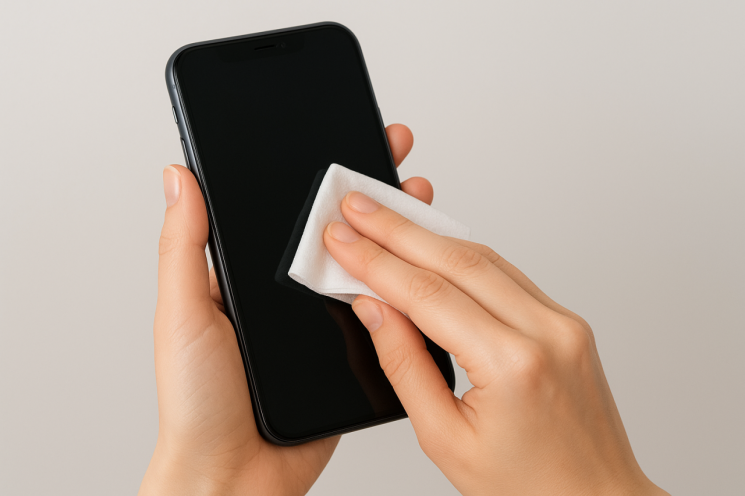 A warning has been issued that cleaning a mobile phone in the wrong way can cause gradual damage to the device. The photo is an AI-generated image to aid understanding of the article. ChatGPT
The American science journal 'StudyFinds' recently reported that cleaning a mobile phone in the wrong way can cause gradual damage to the device. Smartphone screens are coated with a thin protective layer called an "oleophobic coating" to reduce fingerprints and smudges. However, using chemicals with excessively high alcohol concentrations or strong substances such as chlorine-based bleach or vinegar can strip away this protective layer, making the screen more prone to contamination and reducing touch sensitivity.
In fact, manufacturers such as Apple and Samsung advise against using cleaning agents like bleach, hydrogen peroxide, vinegar, strong acidic cleaners, spray-type glass cleaners, and high-concentration alcohol wipes (over 70%). These substances can cause long-term damage not only to the screen coating but also to the device's exterior and internal circuits.
What Are Safe and Effective Cleaning Methods?
 A warning has been issued that cleaning a mobile phone incorrectly can cause gradual damage to the device. Pixabay
Fortunately, safe cleaning methods are not complicated. First, turn off your smartphone and remove any charging cables, cases, or accessories. Then, it is recommended to gently wipe the screen and exterior with a microfiber cloth or a wipe moistened with 70% isopropyl alcohol. Using a higher concentration can actually damage the protective coating.
Additionally, never spray liquids directly onto your smartphone. If liquid seeps into charging ports or speaker holes, it can cause fatal damage such as short circuits, corrosion, or water damage. Even for devices with water resistance, submerging them in cleaning solutions is even riskier, as waterproof seals degrade over time. Caution is also needed when selecting cleaning tools. Avoid using tissues, regular paper towels, or rough fabric cloths, as they can leave fine scratches on the screen or cause fibers to get stuck in crevices.
How Often Should You Clean Your Phone?
Cleaning your phone too frequently is also not recommended. Excessive scrubbing can quickly wear down the protective layer, making fingerprints and smudges appear more easily. In typical usage environments, cleaning your phone about once a week is sufficient. However, if you frequently visit places with high exposure to germs, such as subways, hospitals, gyms, or restrooms, it is advisable to clean your device more often.
Hygiene, Durability, Cost-Effectiveness... Why Cleaning Is Essential
Although mobile phones have become essential items in daily life, studies show that hundreds of types of bacteria and viruses reside on them. Especially with prolonged use, various germs can breed on phone buttons and receivers, leaving users exposed and potentially posing a threat to their health. Therefore, cleaning your phone is not optional but essential.
This goes beyond just hygiene, directly impacting durability and cost-effectiveness. Screens with stripped oleophobic coatings are more susceptible to cracking from impacts, which leads to higher repair costs. On the other hand, following manufacturer-recommended guidelines can extend the product's lifespan, delay replacement cycles, and reduce expenses.
© The Asia Business Daily(www.asiae.co.kr). All rights reserved.


















