Goyang Accelerates Toward a 30-Minute Metropolitan Living Zone
Expanding Metropolitan Transportation Networks at Full Speed
GTX-A, West Sea Line, and Suburban Line Openings Broaden Daily Life Zones
Step-by-Step Railway Expansion: Goyang?Eunpyeong Line, Incheon Line 2 Extension
Goil-ro?Daegok Extension and Jugyo?Janghang (Second Jayu-ro) Connection in Full Swing
Goyang Special City in Gyeonggi Province, led by Mayor Donghwan Lee, is accelerating the expansion of metropolitan railways and road networks with the goal of achieving a "30-minute living zone" within the Seoul metropolitan area. With major railway openings rapidly improving transportation conditions, the city is further enhancing convenience for its citizens through the development of new lines and the improvement of road networks.
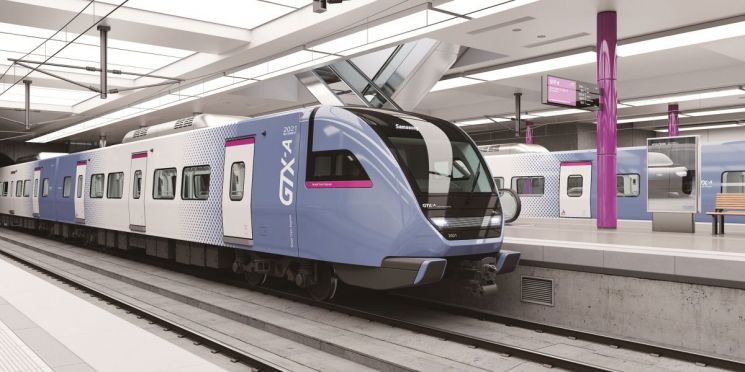
According to Goyang Special City on August 25, the opening of the West Sea Line, which connects the western part of the metropolitan area, has reduced travel time between Daegok and Gimpo Airport from 40 minutes to 9 minutes. In addition, the opening of GTX-A last December has significantly decreased the travel time from Kintex to Seoul Station from over 50 minutes to just 16 minutes. GTX-A's Kintex and Daegok stations surpassed a cumulative 5.55 million users within seven months of opening (an average of about 38,000 users per day as of July 31), and a city survey reported a 90.2% satisfaction rate among users.
Local railways have also been revitalized. The Suburban Line (Daegok-Uijeongbu) resumed operations this January after more than 20 years. Since April, the number of daily runs increased from 8 to 20, resulting in an approximately 1.5-fold increase in average daily ridership.
The city has actively proposed the inclusion of new lines in the "5th National Railway Network Construction Plan" and the "5th Metropolitan Area Wide-Area Transportation Implementation Plan," both scheduled to be announced by the government at the end of this year. Goyang is working closely with the Ministry of Land, Infrastructure and Transport, the Metropolitan Area Transportation Committee, Gyeonggi Province, and other related agencies to ensure that citizens' demands are reflected.
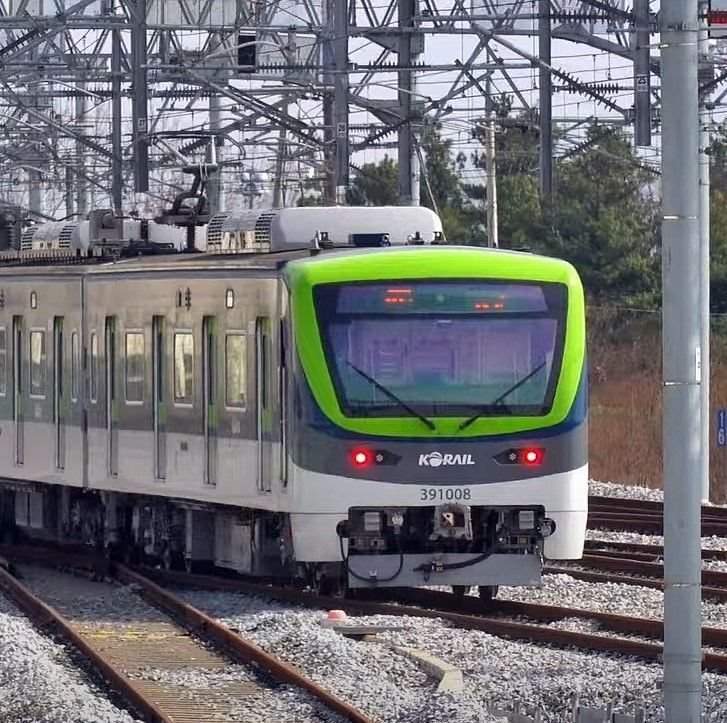
First, to improve access to central Seoul, the city has proposed the extension of the Shinbundang Line to Ilsan (Samsong-Ilsan), the extension of Line 9 express service to Daegok, and the introduction of express service on Line 3 (Ilsan Line). To address underserved areas and expand railway service coverage, the city has also requested the extension of the Goyang-Eunpyeong Line to Ilsan, the rerouting and electrification of the Suburban Line via Gwansan and Goyang-dong, among other measures.
Major projects included in the 4th National Railway Network Plan are also progressing rapidly.
The Goyang-Eunpyeong Line will complete detailed design by the second half of next year following the basic design phase. After obtaining project approval from the Ministry of Land, Infrastructure and Transport, construction will begin. The Daegok-Hongdae Line, with a station planned inside the Deogeun District, aims to open in the second half of 2031, with approval and groundbreaking scheduled for the second half of this year.
The extension of Incheon Line 2 to Goyang is currently undergoing a preliminary feasibility study by the Ministry of Economy and Finance and the Korea Development Institute (KDI). The city is working closely with Gyeonggi Province, Gimpo City, and Incheon Metropolitan City to ensure the project passes the feasibility review.
Station construction and facility improvements are also underway. Haengsin Central Station has been included in the basic plan for the Goyang-Eunpyeong Line, and the much-requested improvement of Jichuk Station facilities began construction in the first half of this year and is scheduled for completion in the second half of 2026.
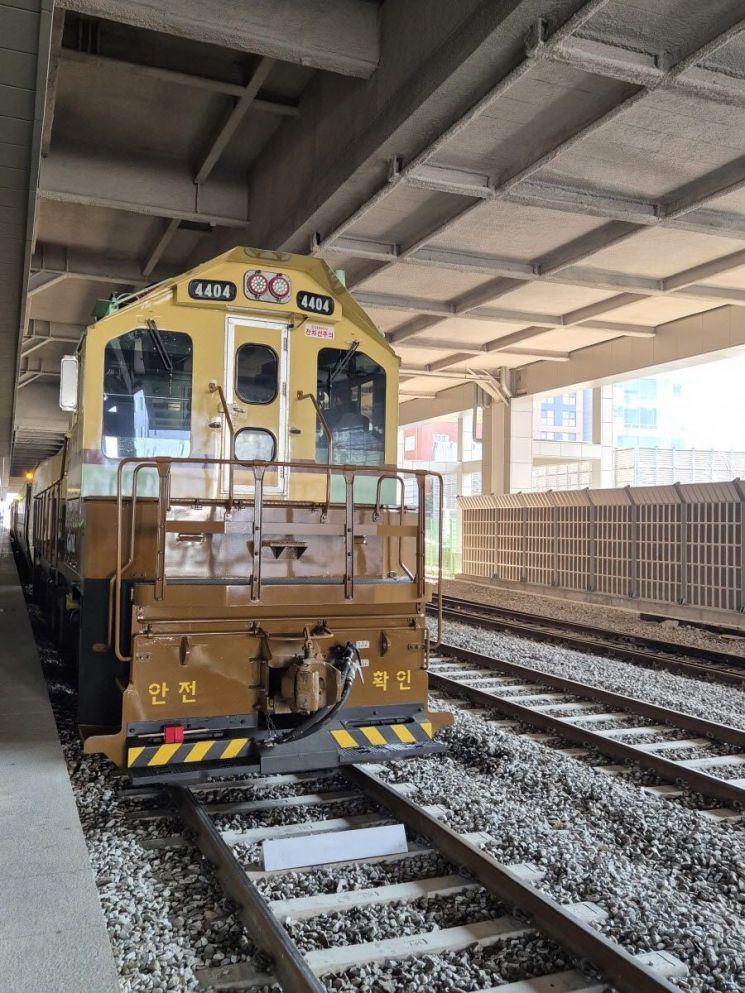
The Ilsan Line extension project, which includes the tentative "Deogi Station," is under reconsideration to ensure economic feasibility for private operators. The city is cooperating with Paju City to facilitate smooth progress. Efforts are ongoing to expand railway services, such as the new Hyangdong Station on the Gyeongui-Jungang Line and the new Changneung Station on GTX-A.
The city is also continuously implementing road network improvement plans to address congestion on major arterial roads and to resolve chronic traffic jams caused by large-scale developments.
Last December, Goyang completed a "Feasibility Study for Major Road Network Improvements." This study included solutions for congestion on major arterial roads such as Tongil-ro and Jayu-ro, where traffic is increasing due to large-scale developments.
Based on this, in March, the city commissioned the Korea Research Institute for Local Administration to conduct feasibility studies on the extension of Goil-ro (Pung-dong) to Daegok (Daegok Elementary School) and the connecting road between Jugyo and Janghang (Second Jayu-ro). Results are expected in September, after which the city will proceed with administrative procedures such as investment reviews, followed by design and construction.
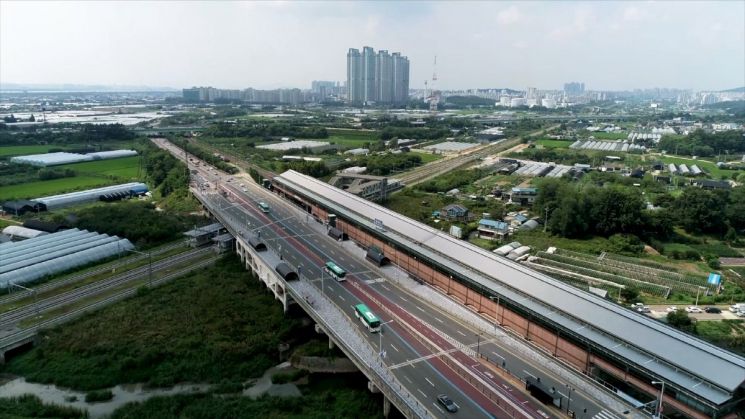
The Goil-ro (Pung-dong)-Daegok (Daegok Elementary School) extension is a proactive response to the anticipated increase in traffic demand around Daegok Station due to the development of the Daegok Station Knowledge Convergence District and the successive openings of GTX-A and the Suburban Line. The project will also strengthen connectivity between the Pung-dong and Siksaji districts. The Jugyo-Janghang (Second Jayu-ro Shinpyeong IC) connecting road improvement project aims to link Deogyang and Ilsan, as well as the old and new downtowns, to promote balanced regional development and to disperse traffic and resolve isolated areas.
Additionally, in response to changing urban conditions and to establish systematic road planning and efficient management strategies, the city launched the "Goyang City Road Construction and Management Plan Study" in July.
Main components include the establishment of a Goyang City ring road network, major road construction plans, measures for long-term unexecuted roads, and forecasts for future conditions and traffic demand. The city plans to develop a comprehensive road system by establishing long-term construction and maintenance strategies for the entire Goyang road network.
 Lee Donghwan, mayor of Goyang, boarding the Seohae Line with citizens. Courtesy of Goyang Special City
Mayor Donghwan Lee of Goyang Special City stated, "A metropolitan transportation network transforms the 'time structure' of a city, bringing people and jobs closer together. As a result, it is the most powerful infrastructure for creating a self-sustaining city where jobs, youth, and businesses converge. We will accelerate these projects, prioritizing the reduction of citizen inconvenience, and move toward becoming a transportation hub for the metropolitan area."
© The Asia Business Daily(www.asiae.co.kr). All rights reserved.