No Clear Countermeasures Beyond Therapeutics
Updated Vaccinations to Begin After October
As the global resurgence of COVID-19 continues, a new Omicron subvariant is spreading rapidly in countries such as Japan and South Korea. This latest variant is known for its high transmissibility and its tendency to cause severe sore throat symptoms.
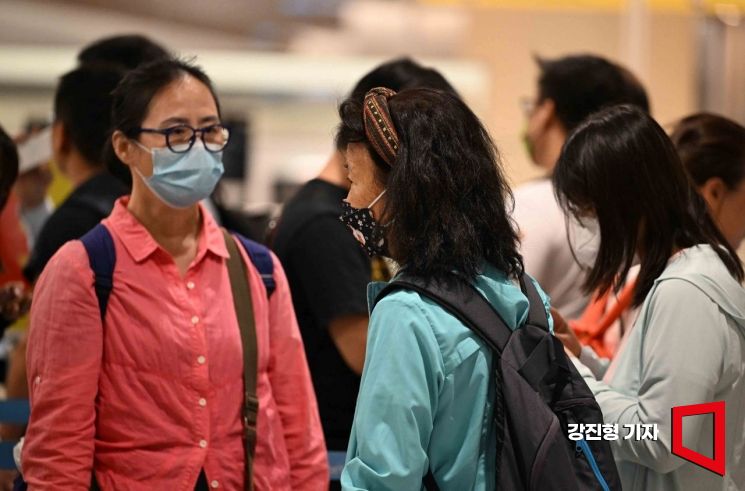
According to Japanese health authorities and local media, the variant currently on the rise is 'NB.1.8.1,' also referred to as 'Nimbus.' Although it is one of the existing Omicron subvariants, it is particularly notable for its high transmission rate and the intense throat pain it causes. As of the second week of August, the average number of COVID-19 cases per medical institution in Japan was 6.3, marking a nine-week consecutive increase.
In medical settings, patients have described their symptoms as feeling like "swallowing glass shards" or experiencing "a razor blade slicing the throat," with some unable to eat for several days. Experts have pointed out that if such symptoms persist in the hot and humid summer environment, the risk of dehydration becomes significant.
The National Institute of Infectious Diseases in Japan announced that as of August 20, the NB.1.8.1 variant accounted for approximately 28% of all detected COVID-19 cases. Experts believe that while this variant does not appear to pose a significantly higher risk of severe illness, it may be more infectious than previous strains. In Japan, the increased movement of people during the Obon holiday and the start of the new school term has accelerated the spread of infections.
No Clear Countermeasures Beyond Therapeutics... Updated Vaccinations to Begin After October
The situation in South Korea is similar. According to the Korea Disease Control and Prevention Agency, there were a total of 302 hospitalized COVID-19 patients in the third week of August, nearly a fivefold increase compared to seven weeks prior. Of these patients, 60% were aged 65 or older, highlighting the need for caution among high-risk groups.
The NB.1.8.1 variant has also become dominant among many domestic cases. Experts attribute this summer resurgence to a combination of waning vaccine efficacy, hot and humid weather, and a gap in vaccination coverage. In particular, as existing vaccine supplies have run out and vaccinations are currently difficult, reliance on therapeutics has increased.
The government announced that it currently has a stockpile of COVID-19 therapeutics for 320,000 people, stating that "this is sufficient to respond to the current scale of the outbreak." In addition, starting from mid-October, the government plans to introduce and administer updated vaccines targeting the latest variants, including NB.1.8.1.
Authorities have repeatedly urged the public to "cover your mouth and nose when coughing or sneezing, and to make mask-wearing a habit if you have respiratory symptoms, in order to strictly follow infection prevention guidelines."
© The Asia Business Daily(www.asiae.co.kr). All rights reserved.

















