Vodka Production Plummets
Lowest Level in Nearly Ten Years
A surge in 'patriotic wine consumption' is sweeping Russia, driving domestic wine production to its highest level in the past decade.
On the 16th (local time), Bloomberg News, citing data from the International Organisation of Vine and Wine (OIV), reported that Russia's domestic wine production has increased by 25% since the outbreak of the war between Russia and Ukraine in February 2022. This trend is attributed to President Vladimir Putin's emphasis on economic self-sufficiency in response to Western economic sanctions.
More than one-third of Russia's wine production takes place in the Krasnodar region along the Black Sea coast. However, the wine industry accounts for only a small portion of the overall Russian economy. As of 2024, Russia's domestic wine consumption is estimated at 810 million liters, while production is estimated at between 470 million and 540 million liters.
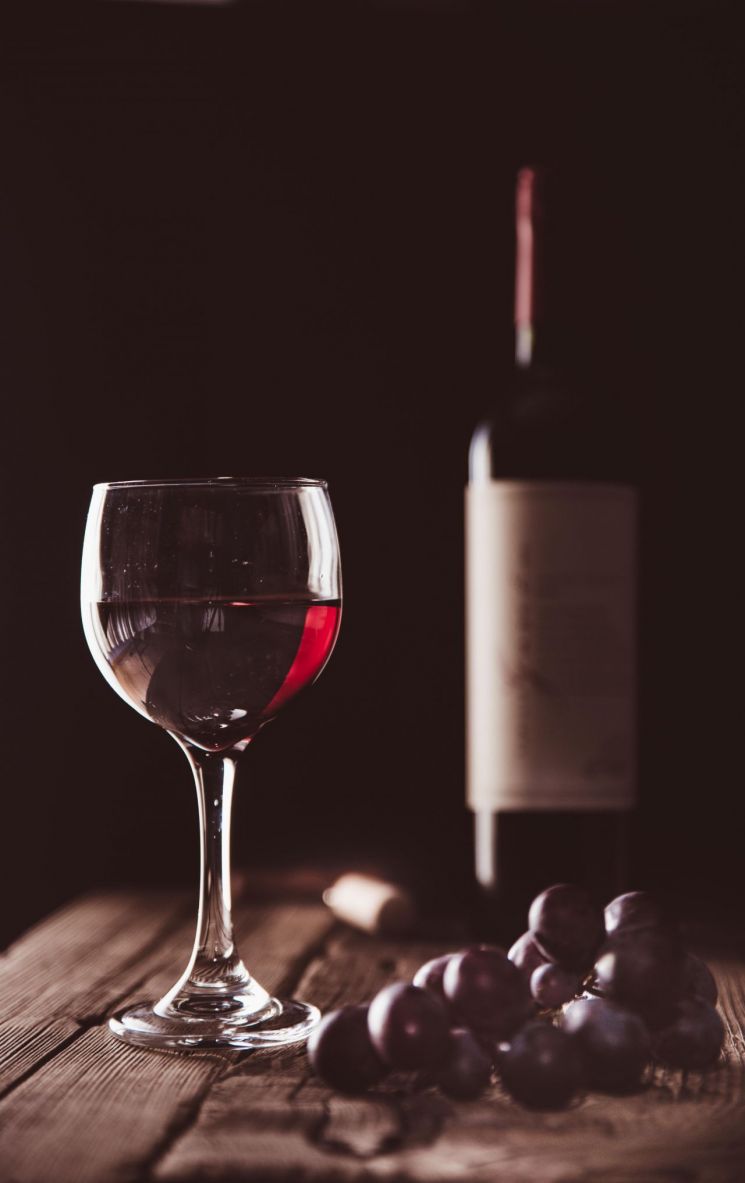
The increase in Russia's domestic wine production is analyzed as a response to global economic sanctions. Bloomberg explained, "It reflects the difficulties Western wines face entering the Russian market." Last year, Russian authorities doubled the tariff rate on wines imported from so-called 'unfriendly countries' such as the United States and certain European nations, raising it to 25%. As a result, the prices of imported wines that were previously popular in Russia, such as 'Prosecco' from northeastern Italy and 'Vinho Verde' from northwestern Portugal, have risen, prompting consumers to seek domestic alternatives.
Vodka Production Plummets... Lowest in a Decade
In contrast to wine, domestic vodka production-a symbol of Russia-has sharply declined. According to Russian media outlet RBC, domestic vodka production in Russia reached only 76 million liters in January and February 2025, a decrease of 26.3%, marking the lowest level in nearly 10 years.
Mikhail Nikolaev, who operates a family-owned vineyard and winery in the Krasnodar region, explained, "Domestic wines are gaining popularity because their style is similar to those produced in Italy or France, but they are more affordable." Denis Ludenko, a member of the Russian Sommelier Association, noted, "Some consumers now drink only domestic wine to express their patriotism."
The government is also encouraging sales. Authorities have proposed requiring at least 20% of wines sold in retail stores to be domestically produced, and some politicians have called for raising the quota to between 30% and 40%. Earlier this year, President Putin ordered regulatory easing to make it easier to change the designated use of vineyard land.
A wine production boom is also underway in Crimea. The Russian administrative head of Sevastopol-the largest city on the Crimean Peninsula, which was occupied by Russia in 2014 after previously being Ukrainian territory-reported that a budget of 738 million rubles (12.8 billion won) has been allocated this year for vineyard expansion. In 2013, the year before Russia's occupation, this region was the second-largest wine-producing area in Ukraine. However, after Russia's occupation of Crimea, the West banned imports of goods produced in Crimea, including wine, so Crimean wines are now sold exclusively within the domestic market.
© The Asia Business Daily(www.asiae.co.kr). All rights reserved.

















