5% of Wild Birds in Australia Show Sex Reversal Phenomenon
Hormonal Disruption Linked to Chemical Pollution
It has been found that 5% of wild birds in Australia experience a phenomenon known as 'sex reversal,' in which their genetic sex and reproductive organs do not match. A recent study suggests that this is due to human-caused chemical pollution in Australia's environment, raising significant concerns.
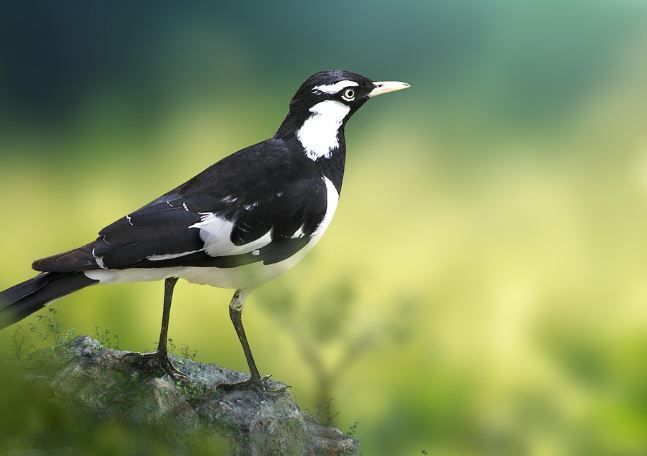
On August 13 (local time), The Guardian reported on the findings of a research team from the University of the Sunshine Coast in Australia, which analyzed wild birds. The team recently examined 480 wild birds that had died across the Australian continent and found that a significant number exhibited sex reversal. The results of this study were also published in the international journal Biology Letters.
The researchers confirmed the genetic sex of Australian wild birds, such as the cabura and lorikeet, through DNA testing, and then dissected the birds to directly examine their reproductive organs. Birds experiencing sex reversal had a mismatch between their genetic sex and reproductive organs. For example, in birds, males typically have two Z sex chromosomes, while females have one Z and one W chromosome.
However, birds with sex reversal had ZZ chromosomes but possessed female reproductive organs, or ZW chromosomes but had male reproductive organs. There were even birds that had both testes and ovaries simultaneously.
By species, the Australian magpie had the lowest sex reversal rate at 3%. The crested pigeon had one of the highest rates at 6.3%. On average, it was found that 5% of birds experienced sex reversal.
Dominique Potvin, Associate Professor at the University of the Sunshine Coast and lead author of the study, said, "When I first saw the results, I kept retesting because I doubted whether the sex reversal phenomenon was really occurring."

This is the first time that sex reversal has been found on such a large scale in wild birds. Ecologists suspect that 'endocrine-disrupting chemicals' may have influenced sex reversal in birds. In other words, chemicals spread across the Australian continent are believed to have interfered with animal hormone secretion, causing various side effects.
If this phenomenon worsens, the reproductive success rate of birds could decline, and ultimately, their populations may decrease. Golo Maurer, head of conservation strategy in Australia, emphasized, "Birds are already facing numerous threats, including climate change, habitat destruction, and plastic pollution," adding, "The potential damage caused by endocrine-disrupting chemicals is a matter of very serious concern."
© The Asia Business Daily(www.asiae.co.kr). All rights reserved.


















