Strategies for Major Infrastructure Projects Including
GTX-C Extension and North-South Expressway Construction
Strengthening Everyday Transportation Services with Transfer Hubs, DRT, and Pedestrian Environment Improvements
Dongducheon City in Gyeonggi Province, led by Mayor Park Hyungdeok, has presented specific directions for transportation sector development aimed at transforming the city into a key transportation hub in the northern part of the Seoul metropolitan area through its 'Mid- to Long-Term Comprehensive Development Plan.'
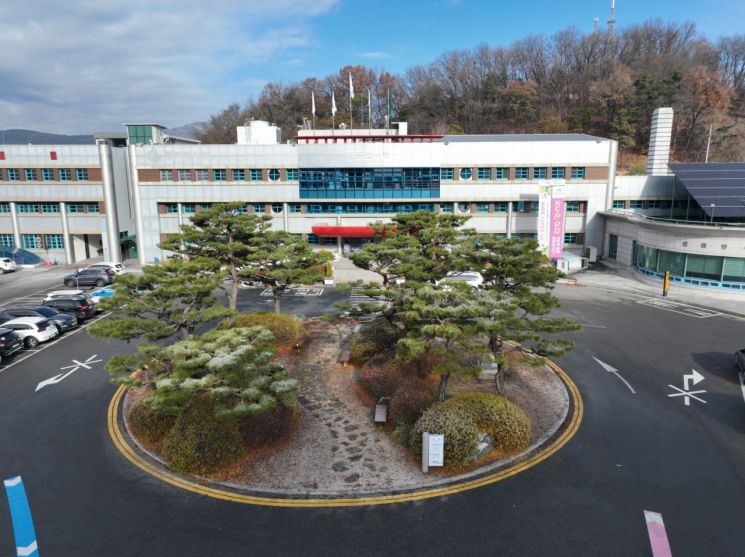
This plan is centered on two main pillars: expanding metropolitan railway and road networks, and improving everyday transportation services, with the goals of guaranteeing citizens' mobility rights and enhancing the city's competitiveness.
According to an analysis by the Korea Local Autonomy Economic Research Institute on August 14, despite being a gateway city in northern Gyeonggi, Dongducheon has been identified as suffering from weakened regional competitiveness due to a lack of metropolitan transportation networks and insufficient public transit transfer systems. In a citizen survey, 'improvement of railway networks' and 'elimination of transfer inconveniences' were cited as the top priorities.
The institute proposed several core projects, including the extension of the GTX-C line to Dongducheon, the additional installation of a northbound interchange at Bukyangju on the Second Ring Expressway toward Pocheon, the introduction of shuttle commuter trains, and the construction of a north-south expressway.
These projects are considered national infrastructure initiatives that are directly linked to balanced development in northern Gyeonggi, population inflow, and the establishment of a foundation for inter-Korean exchange. However, it was analyzed that Dongducheon, with its low fiscal self-sufficiency, would find it difficult to implement these projects relying solely on its own resources.
Accordingly, the report stressed the urgent need to include these projects in the Fifth National Rail Network Construction Plan, secure policy support from the central government, and obtain national funding to enable early commencement of construction.
To improve local transportation conditions, the plan calls for the creation of a transfer hub at Dongducheon Station to strengthen bus-subway connections, the expansion of metropolitan and premium-seat buses as well as double-decker electric buses, the addition of trunk bus routes, and the introduction of exclusive metropolitan bus lanes.
Additional measures to improve services that citizens can directly experience include expanding demand-responsive transport (DRT) in rural and outlying areas, replacing and installing new aging bus shelters, and upgrading bus information terminals (LED displays).
To enhance the pedestrian environment, the city will pursue the creation of pedestrian-friendly roads around Jungang Station and Jihaeng Station, improvements to streetscapes, green spaces, and nighttime lighting, as well as the expansion of Pyeonghwa-ro and the safety improvement of pedestrian and bicycle paths.
Furthermore, the plan includes the introduction of smart transportation systems to simultaneously improve traffic flow and safety. The city intends to use this plan as a mid- to long-term roadmap for realizing its vision of becoming a "convenient and safe transportation-connected city," and will swiftly advance the projects by establishing detailed phased action plans, consulting with relevant agencies, and securing funding.
Mayor Park Hyungdeok of Dongducheon stated, "This plan is a blueprint to resolve longstanding transportation inconveniences and establish Dongducheon as the transportation hub of northern Gyeonggi. By incorporating these projects into national initiatives and securing funding, we will complete the future transportation map."
© The Asia Business Daily(www.asiae.co.kr). All rights reserved.
![Clutching a Stolen Dior Bag, Saying "I Hate Being Poor but Real"... The Grotesque Con of a "Human Knockoff" [Slate]](https://cwcontent.asiae.co.kr/asiaresize/183/2026021902243444107_1771435474.jpg)















