Peak Tourist Season Threatened by Traffic and Access Restrictions
Security Hinges on U.S.-Russia Diplomatic Developments
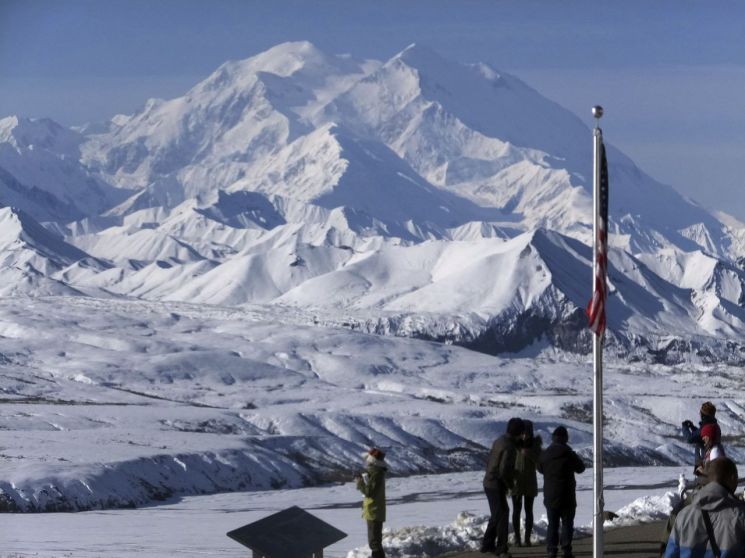
Concerns about a decline in tourism are emerging in Alaska, which has been designated as the venue for the summit between U.S. President Donald Trump and Russian President Vladimir Putin. In the short term, the summit is expected to lead to expanded road closures and restricted access zones, potentially disrupting cruise tourism during the peak season in August. Some observers are even raising the possibility that, depending on the trajectory of the Trump administration's diplomatic policy toward Russia before and after the summit, Alaska could become a frontline region.
Peak Tourist Season in August... Concerns Over Traffic and Access Restrictions Due to the Summit
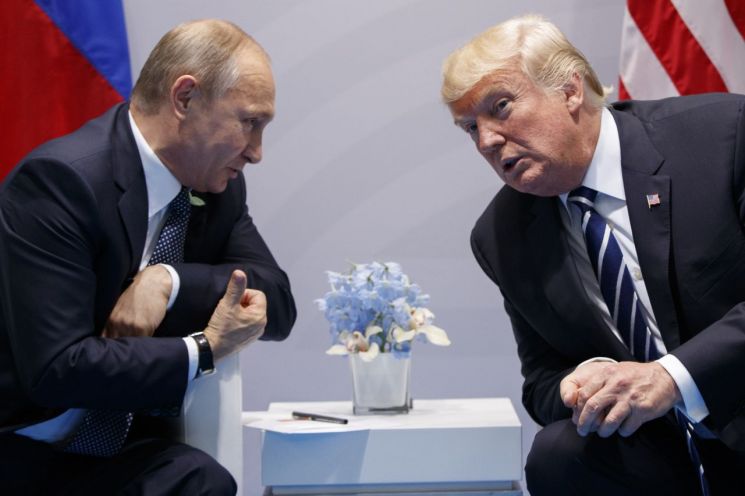 At the G20 summit held in Hamburg, Germany in July 2017, U.S. President Donald Trump (right) and Russian President Vladimir Putin (left) are seen in a meeting. Photo by AP
According to the U.S. economic media outlet Forbes, Alaska's cruise operators are currently adjusting their schedules in response to the upcoming U.S.-Russia summit scheduled for the 15th (local time). The summit could result in temporary closures of airports and ports around Anchorage, as well as the creation of traffic control and restricted access zones, which may disrupt tourism activities.
Alaska's peak tourist season is during the summer, and the majority of visitors arrive via cruise ships. Most tourists visit Alaska between May and September, and last year, the total number of visitors reached 2.7 million. Of these, 66% traveled by cruise ship, while 31% arrived by air. Forbes reported that around five cruise ships are scheduled to dock in Alaska from the day before to the day of the summit, bringing in an estimated 7,000 tourists.
In April 2017, when Chinese President Xi Jinping stopped in Anchorage on his way home after meeting with President Trump, major roads were closed for security reasons and a large number of security personnel were deployed, causing inconvenience for tourists.
A Symbol of U.S.-Russia Exchange... ICC Jurisdiction Does Not Apply
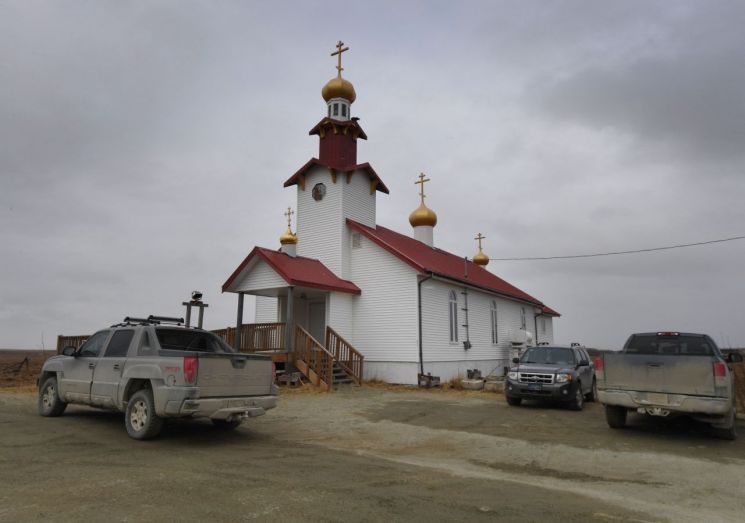 The appearance of a Russian Orthodox Church building remaining in the Bethel area of Alaska. Photo by AFP
Despite the anticipated damage to the tourism industry, Alaska has been chosen as the summit venue primarily because it is seen as a symbolic region for exchanges between the two countries. Many residents of Russian descent live in Alaska, and there are still several communities where Russian is used as a common language.
According to CNN, Alaska was originally Russian territory, with colonization beginning in the 18th century, and was transferred to the United States in 1867 under the Alaska Treaty between the U.S. and Russia. As a result, communities of Russian descent and Russian Orthodox churches remain throughout the region. Until just before the outbreak of the war in Ukraine in 2022, major cities in Alaska even maintained sister-city relationships with Russian cities.
Another advantage of Alaska is that, while it is U.S. territory, it is not under the jurisdiction of the International Criminal Court (ICC). The ICC issued an arrest warrant for President Putin in 2023 on charges of war crimes. If the summit were held in a region under ICC jurisdiction, there would be a possibility of the arrest warrant being executed. Last June, President Putin did not attend the BRICS summit in Rio de Janeiro, Brazil, which is under ICC jurisdiction, and participated only via video conference.
Uncertainty Over Summit Success... Will Alaska Become the Frontline?
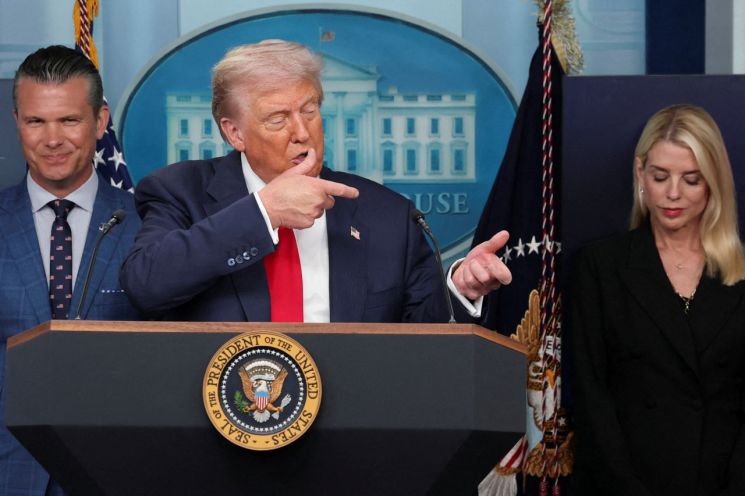
Given that it is expected to take time to reach a ceasefire agreement, there is a cautious view that U.S.-Russia relations are unlikely to improve significantly in the immediate aftermath of the summit.
On the 11th (local time), President Trump stated at a White House press conference, "The meeting with President Putin will be exploratory in nature," adding, "I will probably know within the first two minutes whether there is a possibility for progress." He continued, "I might just come out and say good luck. That could be the end of it. I might say this isn't going to be resolved."
A planned trilateral meeting with President Volodymyr Zelensky fell through, and President Zelensky has maintained a firm stance, insisting that territorial concessions are unacceptable. At a press conference, President Zelensky stated, "We are aware of Russia's intent to deceive the United States and will not allow it," adding, "Concessions do not persuade a murderer."
If bilateral relations deteriorate further after the summit, there are concerns that Alaska, which is geographically likely to become a frontline region between the U.S. and Russia, will face increased security burdens. The U.S. government has also recently strengthened its missile defense capabilities in preparation for potential provocations from Russia.
According to Defense News, the U.S. Army has recently expanded ground-based interceptor (GBI) fixed launchers at Fort Greely near Fairbanks, Alaska. Additionally, nuclear submarines have reportedly been newly deployed in Alaska and the Arctic Ocean region. On the 3rd (local time), President Trump, while not specifying the exact deployment locations of the nuclear submarines, stated, "They have been deployed in that region, where they need to be."
© The Asia Business Daily(www.asiae.co.kr). All rights reserved.
![Clutching a Stolen Dior Bag, Saying "I Hate Being Poor but Real"... The Grotesque Con of a "Human Knockoff" [Slate]](https://cwcontent.asiae.co.kr/asiaresize/183/2026021902243444107_1771435474.jpg)

















