Applying the Japanese Success Formula to Saudi Arabia:
K-Culture Blooms in the Desert
Hyunsoo Kim, Head of Middle East Subsidiary: "K-Culture Will Take Deeper Root Across the Middle East"
On July 23, CJ ENM established its Middle East subsidiary, 'CJ ENM Middle East,' in Riyadh, Saudi Arabia, marking the first time a Korean entertainment company has set up a local entity in the region. This move is intended to serve as a bridgehead for spreading K-culture beyond Asia to the Middle East and Africa. Saudi Arabia is a key market within the MENA (Middle East and North Africa) region, which is experiencing remarkable growth across all cultural sectors.
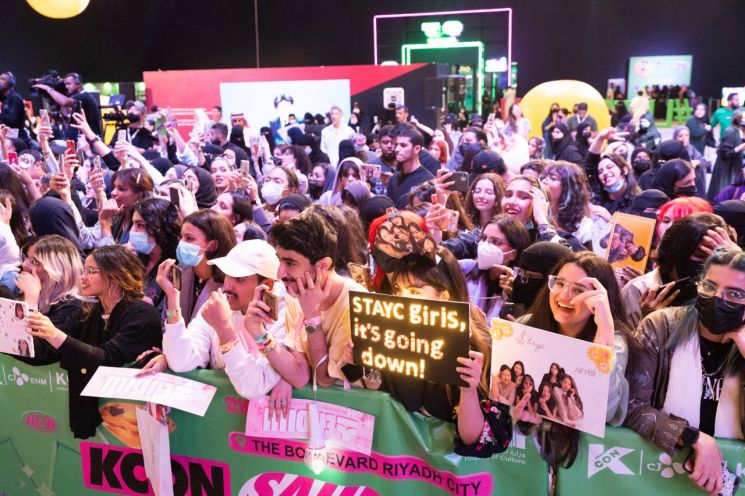
CJ ENM plans to leverage this strategic base to take the lead in the K-pop and K-content markets and expand the influence of K-culture. The company has already devised concrete strategies. In an interview with Asia Economy on August 12, Hyunsoo Kim, Head of CJ ENM Middle East, stated, "We plan to adapt the business models and localization know-how that CJ ENM Japan has accumulated through collaborations with local partners in Japan to the Middle Eastern environment."
CJ ENM Japan has achieved significant results in Japan with various content, such as the remake of 'Marry My Husband' and the Korea-Japan joint drama 'Hatsukoi Dogs.' In May, the company attracted about 110,000 attendees by hosting 'KCON Japan,' the world's largest K-pop fan and artist festival, at Makuhari Messe in Chiba Prefecture. Lapone Entertainment, a joint venture with Yoshimoto Kogyo, one of Japan's leading entertainment agencies, continues to grow by producing popular groups such as JO1, INI, and ME:I (Meiai).
To ensure a swift market entry, the Middle East subsidiary partnered with SELA, an entertainment company funded by the Saudi Public Investment Fund. SELA has planned and operated world-class sports events, concerts, festivals, and multipurpose cultural spaces for over 20 years. Kim emphasized, "SELA has significant influence and credibility in the local market, as evidenced by its leadership of the large-scale urban festival 'Riyadh Season,' which attracts millions of visitors annually." He added, "Since signing a memorandum of understanding for cultural business collaboration and joint content development in December last year, we have been in ongoing discussions about business opportunities."
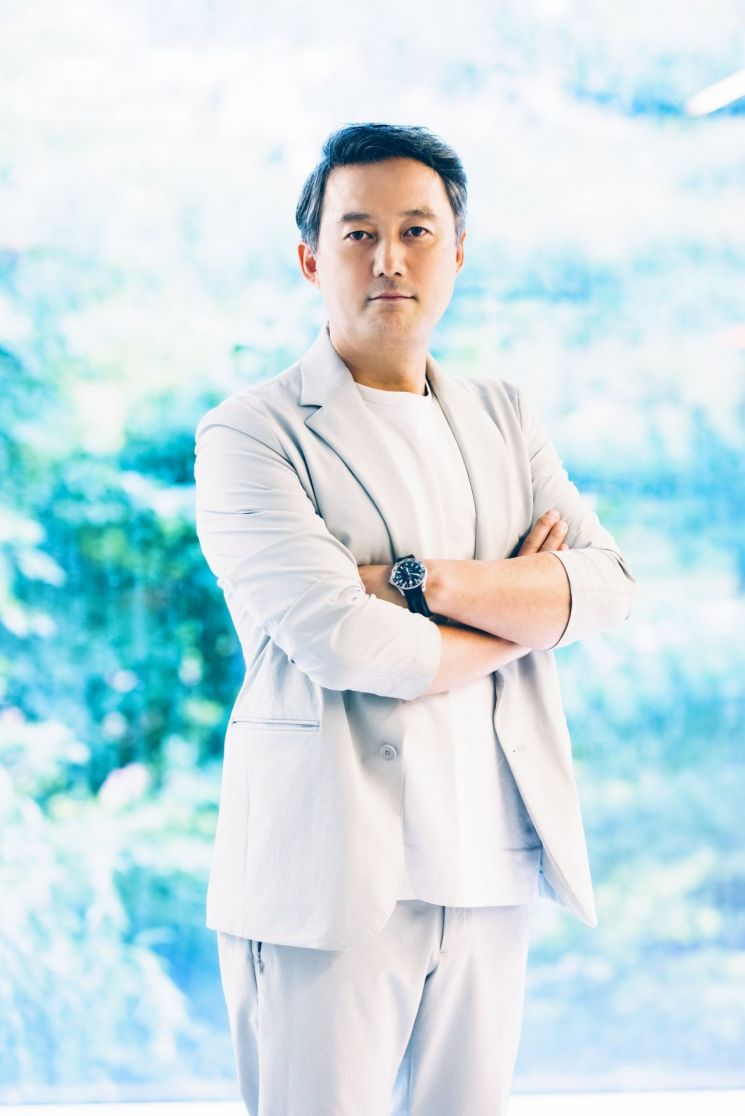
The current primary focus is on K-pop. As cultural openness and digital media proliferation drive increased consumption of various music genres, the industry is rapidly expanding. The Middle East subsidiary is utilizing CJ ENM's proprietary music intellectual property (IP) ecosystem, the Music Creative Eco-System (MCS), to produce local idols. Kim stated, "Given the proven popularity through KCON, this is the area where we expect the fastest results," expressing confidence in leading the spread of K-culture.
He personally oversaw 'KCON Saudi' in 2022 and 2023, experiencing the local response firsthand. Kim recalled, "I cannot forget the moment when tickets sold out and countless young people gathered to sing K-pop songs together," adding, "Saudi Arabia is not just a market with potential; I am convinced that it is already an active 'partner' ready to embrace and grow with K-culture."
The Middle East subsidiary is also exploring opportunities in drama and film. There have already been achievements in content distribution. In June, the company signed a strategic partnership with Shahid, the largest Arabic-language streaming platform in the MENA region, and is currently supplying twenty popular dramas, including 'What's Wrong with Secretary Kim,' 'Carry Sunjae and Run,' and 'Guardian: The Lonely and Great God.' Kim noted, "Within less than two months of launching the service, we observed encouraging reactions. In particular, the production capabilities and storytelling expertise of Studio Dragon and CJ Studios have been recognized." He added, "We are fully considering co-producing content that reflects the cultural characteristics of the Middle East together with local partners."

One of the reasons Saudi Arabia is considered a promising market is its demographic structure. Over 62% of the total population is under the age of 30, indicating significant growth potential for popular culture. The Saudi government is also actively fostering the cultural industry as a key growth engine through its 'Vision 2030' national development plan and is pursuing open policies in entertainment and tourism.
Kim emphasized, "It is no exaggeration to say that the passion of young fans directly led to the establishment of the subsidiary," and added, "We will expand our business in all directions, including music, film, and drama. If we conduct our business stably, K-culture will take even deeper root throughout the Middle East."
© The Asia Business Daily(www.asiae.co.kr). All rights reserved.



















