Both Office and Retail Vacancy Rates Remain Among the Nation's Highest for a Prolonged Period
Commercial Slump Spreads to Chonnam National University Area, Sangmu District, and Cheomdan 1 District
Number of Closed Businesses Rises Over Five Years... Rent Burden Persists
Experts: "Increasing Population and Jobs Needed for a Virtuous Cycle in Commercial Districts"
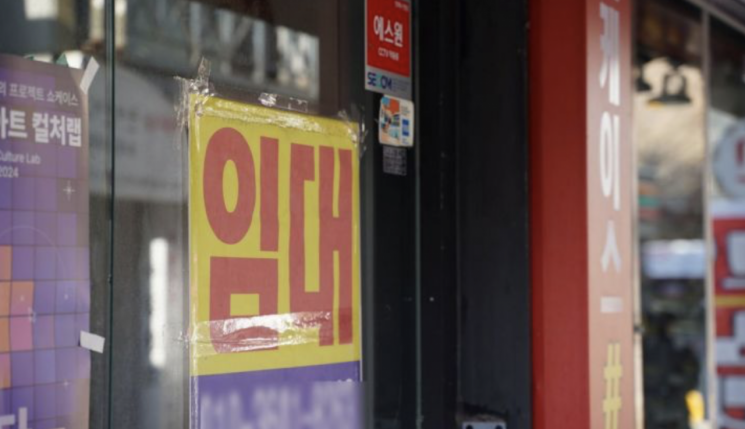
The once-thriving commercial districts of Geumnam-ro and Chungjang-ro in Gwangju have fallen into a prolonged slump, resulting in one of the highest vacancy rates in the country.
According to the Korea Real Estate Board on August 10, the office vacancy rate for buildings with six or more floors in Geumnam-ro and Chungjang-ro, Dong-gu, Gwangju, reached 44.83% in the second quarter of this year. This is the second highest rate nationwide, following Sanjeong-dong in Ulsan (48.85%). The office vacancy rate in Geumnam-ro and Chungjang-ro has remained among the highest in the country, surging from 35.64% in the third quarter of last year to 44.89% in the fourth quarter, and reaching 45.04% in the first quarter of this year.
The vacancy rate for retail spaces is also high. The vacancy rate for collective commercial buildings stands at 25.11%. For medium and large-scale stores?those with three or more floors or a total floor area exceeding 330 square meters?the rate is 26.42%. The vacancy rate for small-scale stores is 13.56%.
The commercial area around Chonnam National University in Buk-gu has also remained stagnant. In the second quarter, the vacancy rate for medium and large-scale stores in the Chonnam National University area was 37.11%, meaning one out of every three locations was vacant. The vacancy rate for small-scale stores reached 19.72%. The vacancy rate for medium and large-scale stores in this area has remained above 36% since the first quarter of 2023.
In Sangmu District, a new downtown area, the vacancy rate for medium and large-scale stores has remained between 10% and 20% since the end of 2016, while the rate for small-scale stores has stayed within that range since the second quarter of 2018. Cheomdan 1 District, once popular and known as 'Siridangil,' has also recorded a vacancy rate above 10% since the fourth quarter of last year.
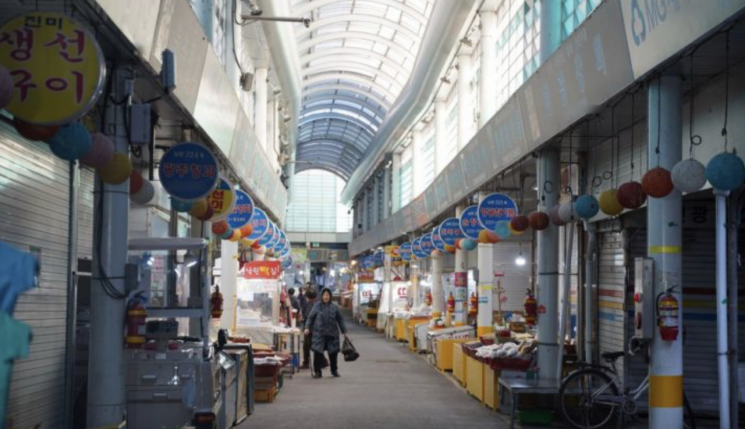
The main cause of the rising vacancy rates is cited as the increasing number of small business closures. According to the National Tax Service's National Tax Statistics Portal, the number of business closures in Gwangju was 24,626 in 2020, 24,063 in 2021, 23,096 in 2022, 26,054 in 2023, and 26,057 in 2024, showing an upward trend over the past five years.
Small business owners report that it is becoming increasingly difficult to stay afloat because rents have remained at previous levels or even increased, despite the prolonged impact of COVID-19, sluggish consumer spending, rising labor costs, and a decrease in foot traffic. The spread of delivery platforms is also identified as a cause of business closures.
Experts emphasize the need for long-term measures, such as rent reductions, low-interest loans, and support for small businesses, as well as job and population growth, and adapting to changes in the online commercial landscape. Oh Juseop, Secretary General of the Gwangju Citizens' Coalition for Economic Justice, stated, "Gwangju has a high proportion of small business owners, which leads to a high closure rate," adding, "Along with short-term remedies, it is necessary to increase the residential and daily population to create a virtuous cycle in the commercial districts."
© The Asia Business Daily(www.asiae.co.kr). All rights reserved.
![Clutching a Stolen Dior Bag, Saying "I Hate Being Poor but Real"... The Grotesque Con of a "Human Knockoff" [Slate]](https://cwcontent.asiae.co.kr/asiaresize/183/2026021902243444107_1771435474.jpg)
















