Chikungunya Fever Detected in Taiwan After Visit to China
Spread to 119 Countries, Low Fatality Rate but No Cure Available
The mosquito-borne infectious disease chikungunya fever, which is rapidly spreading in southern China, has reportedly been detected in Taiwan as well.

On August 8 (local time), Taiwan's Central News Agency reported that a woman in her 40s living in central Taiwan had been infected with chikungunya fever. According to health authorities, this is the first case in Taiwan directly linked to mainland China.
This woman was bitten by a mosquito while visiting Foshan and Shenzhen in Guangdong Province, China last month. After returning to Taiwan, she developed symptoms of fever, rash, and joint pain the next day. She was hospitalized and tested, and the infection was confirmed. Although she has since recovered and been discharged, authorities plan to monitor her health status until the 26th.
Since Chinese health authorities announced the first confirmed case on July 15, chikungunya fever infections have been reported in 12 cities in Guangdong Province. As of August 3, the cumulative number of confirmed cases had exceeded 7,716. In Foshan, the epicenter of the outbreak, the number of new cases has declined for nine consecutive days, but thousands of new patients are still being reported.
The spread is extending beyond China to the rest of the world. So far, the disease has been transmitted to 119 countries and regions worldwide. Large-scale outbreaks have been reported in Madagascar, Kenya, India, and island nations in the Indian Ocean, and cases have also been confirmed in Europe and the Americas. The European Centre for Disease Prevention and Control stated that approximately 240,000 infections and 90 deaths have been reported in 16 countries.
In response, the US Centers for Disease Control and Prevention issued a Level 2 travel advisory for Guangdong Province. Travelers were advised to wear long clothing, use mosquito repellent, and stay in accommodations with air conditioning.
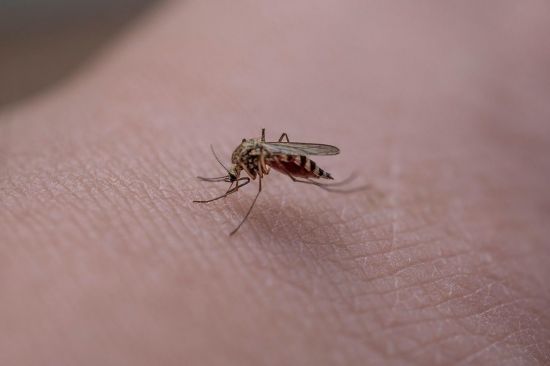
Chikungunya fever is transmitted by Aedes mosquitoes. The main symptoms are fever, joint pain, and rash. The fatality rate is less than 1%, but complications can be deadly. There is currently no specific treatment, and only supportive care such as adequate rest, hydration, and the use of antipyretics and painkillers can alleviate symptoms.
The World Health Organization (WHO) expressed concern that if chikungunya fever becomes a global pandemic, the number of deaths could increase significantly.
© The Asia Business Daily(www.asiae.co.kr). All rights reserved.


















