Child Protection Standards Fall Short Amid Ultra-Short Production Practices
Low Appearance Fees and Long Filming Hours Violate Children's Rights
On-Set Practices Persist Despite New Regulations from Authorities
A Chinese miniseries production team is facing controversy over allegations that they exposed a newborn baby to cold artificial rain for an extended period during filming.
On January 26, the South China Morning Post (SCMP), a Hong Kong-based media outlet, reported that Chinese actress Xing Yuni revealed on her social media on January 17 that she had witnessed what she considered child abuse on the set of a miniseries last year.
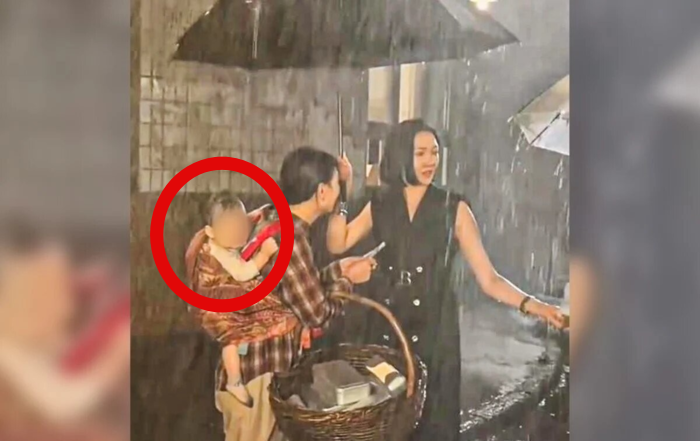
According to Xing Yuni’s post, the production team used a water truck to film an artificial rainstorm scene and, citing time and cost constraints, chose to use a real newborn baby instead of a prop doll. She claimed that when she tried to shield the baby from the rain with an umbrella, the director stopped her, saying it would obscure the actor’s face.
As a result, the baby was left exposed to cold water without any protective gear and cried for a long time. Xing Yuni said, “My heart broke at the sound of the baby’s cries,” and added, “I can endure hardship myself, but I cannot bear to see a baby suffer the same pain.”
The baby’s appearance fee was only 800 yuan (about 160,000 won), and the controversial miniseries, which was released in July last year, has since been deleted from major social networking service (SNS) platforms. After the incident became public, Chinese netizens criticized the production team and the parents who allowed the filming, calling it “clear child abuse” and demanding accountability from both parties.
Some point to the widespread “100 episodes in 7 days” ultra-short production practices in China’s miniseries industry as the root cause of the incident. They argue that, in an environment focused on cutting production costs and meeting tight schedules, the rest and safety of child actors are neglected. There have been repeated reports from filming sites of child actors being made to work over 16 hours a day or being exposed to age-inappropriate scenes.
Compared to international standards, these practices are clearly problematic. The United Nations Convention on the Rights of the Child states that all children have the right to be protected from physical and mental abuse and that their health and welfare must be prioritized even when participating in artistic or entertainment activities. The International Labour Organization (ILO) also imposes strict restrictions on child labor, especially prohibiting work in hazardous or unhealthy environments.
As the controversy spread, Chinese authorities recently took action. On January 8, they announced new regulations to protect children appearing in miniseries, banning violent or emotionally excessive scenes and prohibiting filming that exceeds a child’s physical capabilities. However, some in the industry argue that harsh filming practices continue under the guise of tradition, calling for more effective enforcement and penalties.
© The Asia Business Daily(www.asiae.co.kr). All rights reserved.

















