No sexual contact since spouse's death 20 years ago
Experts: "HIV testing should be considered for elderly patients when necessary"
Among people living with HIV/AIDS in South Korea, the age group with the highest proportion of cases is 20 to 39 years old. Notably, a significant share of foreign nationals infected with HIV also falls within this age range. According to 2023 statistics, there were a total of 478 Korean nationals and 166 foreign nationals in this age group diagnosed with HIV, making it the age group with the highest concentration of HIV cases overall. Amid these statistics, the medical community is paying close attention to a case involving a person in their 80s who was diagnosed with Human Immunodeficiency Virus (HIV). Globally, HIV diagnoses in individuals over 80 are rare, and this particular patient reported having no sexual contact for 20 years following the death of their spouse.
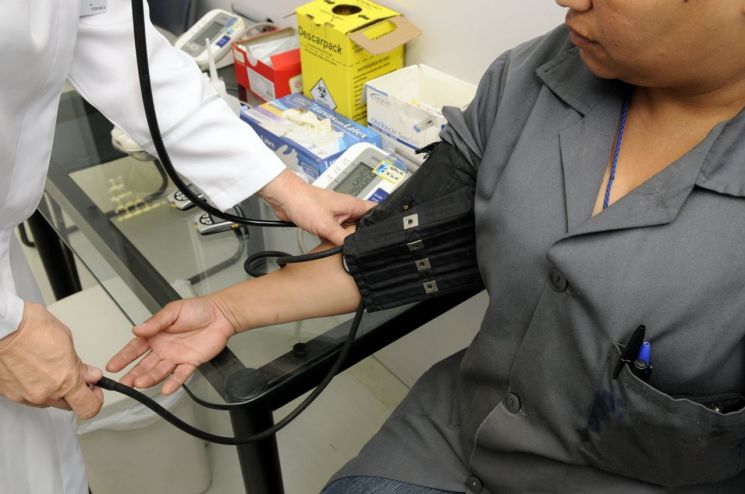 Currently, most HIV tests are recommended primarily for individuals aged 13 to 64, and there are virtually no screening guidelines for the elderly or statistics on infections among those aged 80 and above. Photo is not related to the specific content of the article. Pixabay
On August 7, Yonhap News reported that medical staff at a South Korean hospital published a case in the latest issue of the international journal "Clinical Case Reports." The case involved a patient, referred to as Mr. A, who was definitively diagnosed as HIV-positive during a blood test conducted last year as part of chemotherapy for lymphoma. HIV is the virus that causes Acquired Immunodeficiency Syndrome (AIDS).
When a person infected with HIV develops severe immune deficiency and complications, they are diagnosed with AIDS. In South Korea, over 80% of HIV-positive individuals are in their 20s to 40s, indicating a strong concentration among younger age groups. According to the report, the route of Mr. A's HIV infection remains an unsolved mystery. Mr. A has lived alone since his spouse died of heart disease over 20 years ago and stated that he has had no sexual activity since then. The family also claims that the spouse had a low likelihood of HIV infection, as she underwent several procedures and tests at a university hospital for her heart condition, but there was little risk of HIV exposure.
"The lack of HIV diagnosis among the elderly is a greater issue than identifying the infection route"
It was also reported that, prior to the lymphoma diagnosis, Mr. A had never undergone surgery or been hospitalized for HIV, nor had he received blood transfusions, used injectable drugs, undergone acupuncture, or received tattoos. In other words, he had not been exposed to typical risk factors for infection. The medical team estimated that Mr. A had been infected with HIV several years earlier.
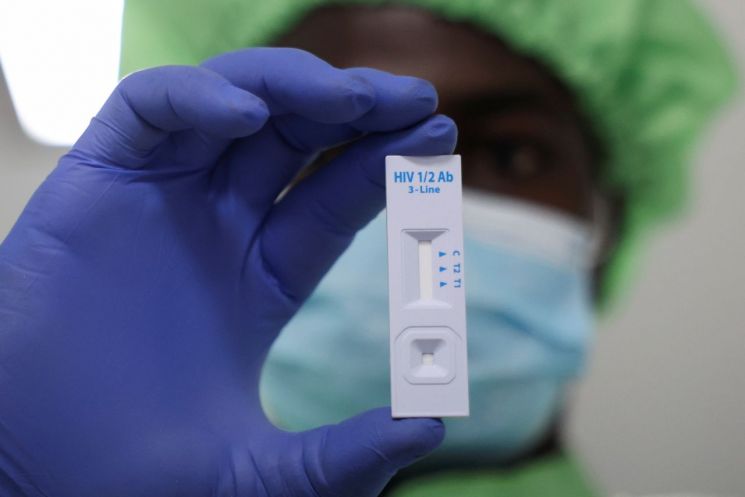 HIV is the virus that causes Acquired Immunodeficiency Syndrome (AIDS). When a person infected with the HIV virus experiences severe immune deficiency leading to complications, they become an AIDS patient. Photo by Reuters and Yonhap News
This conclusion was based on Mr. A's high CD4 immune cell count and high viral load in his blood. The medical team emphasized that the absence of HIV diagnosis among the elderly is a more pressing issue than determining the infection route. In their paper, they wrote, "Prejudice that excludes the possibility of sexual activity in older adults or that does not consider HIV as a disease affecting the elderly can be a major cause of delayed diagnosis." They further analyzed that "social isolation and low health literacy likely contributed to the delay in diagnosis as well."
Currently, most HIV tests are recommended primarily for individuals aged 13 to 64, and there are virtually no screening guidelines for the elderly or statistics on infections among those aged 80 and above. Experts pointed out that this case demonstrates the necessity of considering HIV testing in elderly patients depending on clinical circumstances, and that proactive screening is especially important for older adults with overlapping social vulnerabilities.
© The Asia Business Daily(www.asiae.co.kr). All rights reserved.


















