10% of Manufacturing Costs at North American Georgia Plant
Cumulative Benefits Expected to Reach Approximately 43 Billion KRW by This Year
Plans to Establish New Plants in Indiana and Other U.S. States
Enchem, a company specializing in electrolyte materials for secondary batteries, received approximately 26 billion KRW in Advanced Manufacturing Production Credit (AMPC) last year and expects to receive more than 17 billion KRW this year. Among domestic battery material companies, Enchem is the only one to benefit from the AMPC in the United States.
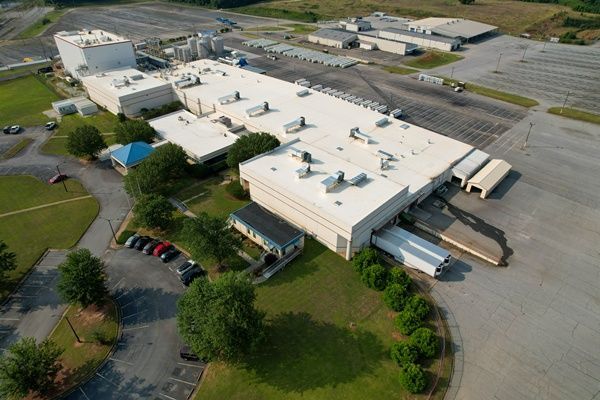
On August 6, Enchem announced that it has been receiving AMPC tax credits since establishing its Georgia subsidiary in the United States in 2019, based on its electrolyte supply. The cumulative amount is expected to reach about 43 billion KRW by the end of this year.
The AMPC is a key policy introduced by the United States to foster domestic clean energy manufacturing. With the recent passage of the "One Big Beautiful Bill (OBBA)," the application period has been extended from the original 2031 to 2032. The AMPC provides a cash-type tax credit equivalent to 10% of manufacturing costs to companies that produce and sell batteries, solar, wind power components, and critical minerals within the United States.
Enchem's electrolyte produced at its Georgia plant has been officially recognized by the U.S. Internal Revenue Service (IRS) as an "electrode active material," making it eligible for the AMPC. Enchem operates its Georgia plant with a production capacity of 150,000 tons as of this year, leading its "localization strategy" in North America. The company is also considering expanding production bases near major battery customers' plants in states such as Indiana and Tennessee.
An Enchem official stated, "The secondary battery industry is highly sensitive to global policies, so we are closely monitoring tariffs and industrial policies in major countries, including the United States." The official added, "Enchem is implementing a flexible business strategy to respond to policies promoted by various countries, such as energy storage systems (ESS) and the defense industry, in preparation for a prolonged stagnation in electric vehicle demand."
© The Asia Business Daily(www.asiae.co.kr). All rights reserved.
![Clutching a Stolen Dior Bag, Saying "I Hate Being Poor but Real"... The Grotesque Con of a "Human Knockoff" [Slate]](https://cwcontent.asiae.co.kr/asiaresize/183/2026021902243444107_1771435474.jpg)















