Trump Imposes 50% Tariff on Brazilian Imports
China Approves Transactions for 183 Brazilian Coffee Exporters
China Expands Brazilian Coffee Market Access to Counter the United States
As President Donald Trump of the United States decided to impose a 50% tariff on Brazilian imports, the Chinese government swiftly granted import approval for Brazilian coffee. According to Yonhap News, on the 4th (local time), the Chinese Embassy in Brazil announced via social media, "We have approved transactions for 183 Brazilian coffee exporters," adding, "This measure, which took effect on July 30, will remain valid for five years." The embassy also stated, "Although China's per capita coffee consumption is 16 cups per year, which is low compared to the global average of 240 cups, coffee is gradually becoming part of daily life."
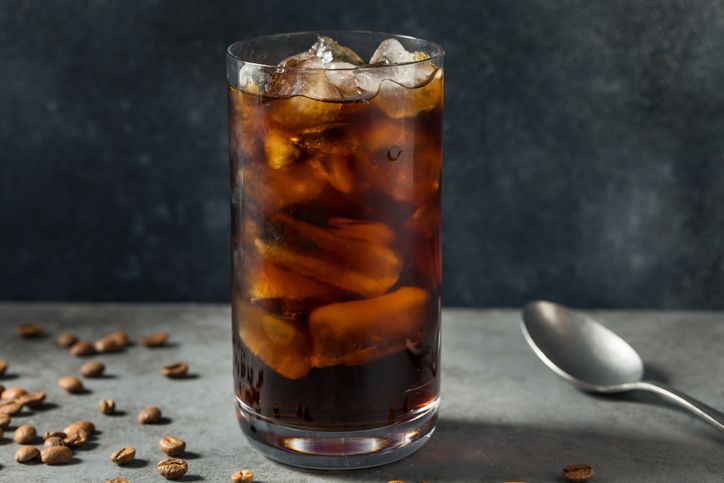 The Brazilian coffee industry is expected to be the most affected sector due to a 50% tariff. Brazil is the largest coffee producer, accounting for 39% of the global market. Photo by Getty Images
The Brazilian coffee industry is considered the sector expected to be hit hardest by the 50% tariff imposed by the United States on Brazil. Brazil is the world's largest coffee producer, producing between 67 million and 68 million bags of coffee annually. As of 2023, Brazil accounted for 39% of the global coffee market.
This is due to its trade with the United States, which is known as the world's largest coffee consumer. According to the Brazilian Coffee Exporters Council (CECAFE), last year the United States purchased 8,141,817 bags of coffee (based on 60kg bags) from Brazil. This amount is said to account for 33% of the total coffee distributed in the United States. Germany (7,596,232 bags), Belgium (4,379,608 bags), and Italy (3,917,585 bags) followed. China imported 930,987 bags, ranking 14th. This is less than Japan (2,216,800 bags, 5th place) and Korea (1,056,518 bags, 12th place).
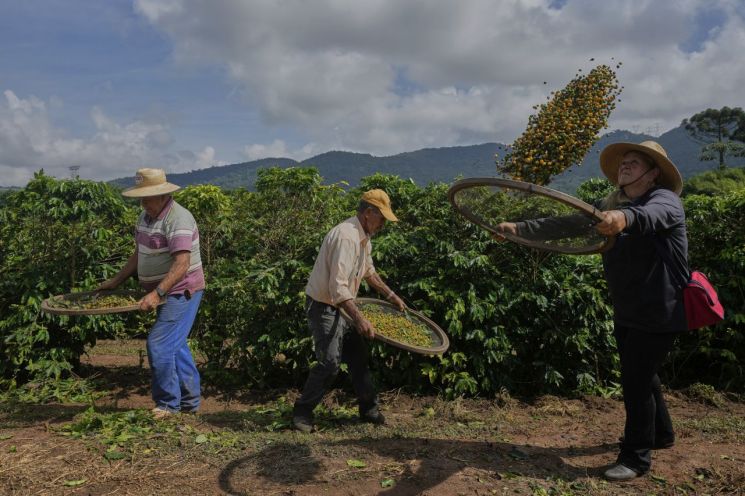
The recent approval by China for nearly 200 Brazilian coffee distributors to export to China is interpreted as a move to counter the United States. Rather than opening new markets in neighboring coffee-producing countries such as Vietnam or Indonesia, China is creating new opportunities with Brazil. According to Yonhap News, the Brazilian coffee industry had already requested government authorities to seek alternative export destinations since early last month in anticipation of the U.S. imposing a 50% tariff. Given China's cultural preference for tea, coffee consumption may not increase immediately, but this development could potentially align the interests of both countries in the long term.
China has also reportedly approved exports to China for 30 additional Brazilian sesame distribution companies. The Chinese Embassy in Brazil revealed, "As a result of agreements signed during President Xi Jinping's state visit to Brazil, the total number of approved Brazilian sesame distribution companies now stands at 61," and added, "Brazil has also granted 46 companies permission to sell animal feed to China."
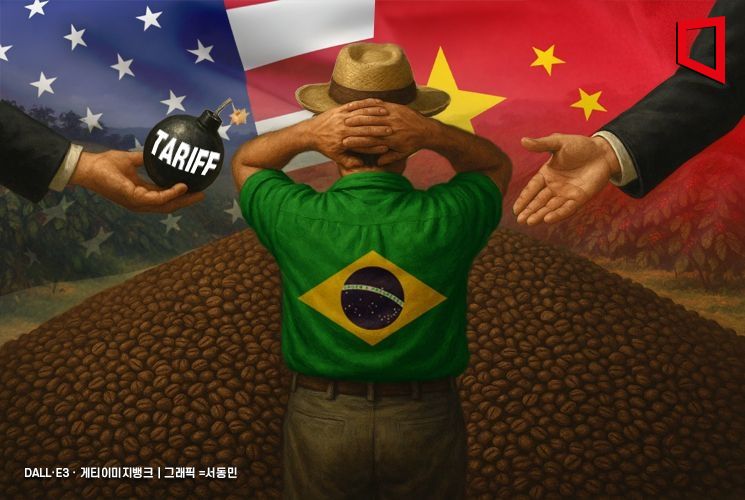
There is also analysis suggesting that President Trump's tariff policies are working to China's advantage. The Washington Post (WP) pointed out, "China's recent diplomatic strategy is to let Trump do as he pleases," and added, "China believes that Trump is destroying himself by waging a trade war."
© The Asia Business Daily(www.asiae.co.kr). All rights reserved.
![Clutching a Stolen Dior Bag, Saying "I Hate Being Poor but Real"... The Grotesque Con of a "Human Knockoff" [Slate]](https://cwcontent.asiae.co.kr/asiaresize/183/2026021902243444107_1771435474.jpg)

















