Advertisement in Fashion Magazine Created with AI Model
Controversy Grows Over Beauty Standards Due to AI Models
An advertisement for Guess featuring an artificial intelligence (AI) model appeared in the fashion magazine Vogue. This marks the first time an AI model has appeared in this magazine. As controversy spread over the advertisement, Vogue quickly clarified that the ad was not affiliated with the magazine itself. On July 31 (local time), international media outlets such as CNN and BBC reported that the latest print edition of Vogue’s August issue was facing controversy over an advertisement for the clothing brand Guess.
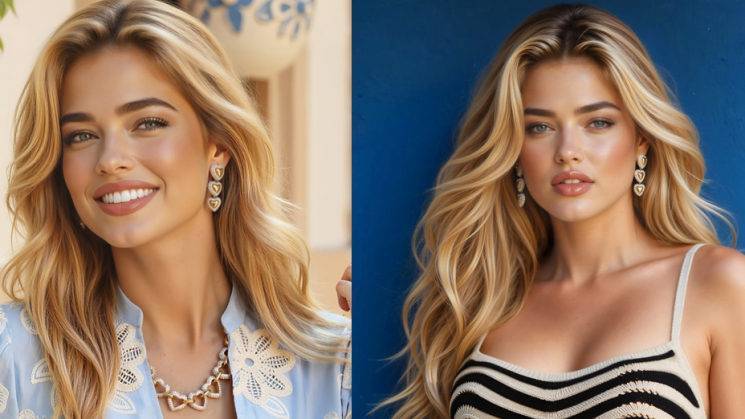 A Guess advertisement featuring an artificial intelligence (AI) model appeared in the fashion magazine VOGUE, sparking controversy. BBC
The advertisement features a blonde model wearing a striped maxi dress and a floral suit from the brand’s summer collection. In small print on one side of the ad, it is explained that the model was created with AI. The advertisement was produced by a company called Seraphine Valora. Paul Marciano, the co-founder of Guess, commissioned the creation of the AI model, received ten candidates, and made the final selection from among them.
The company stated that the belief that AI image generation is simple is a misconception, and that in reality it is very complex. They explained that it can take up to a month from conceptualizing the idea to producing the final result. In the case of Guess, the company said that the cost can reach tens of millions of won. Despite Guess’s explanation, there was backlash within the industry. Felicity Hayward, a model with over ten years of experience, criticized the use of AI models in fashion campaigns, saying it “feels like a lazy and cheap approach.” She also warned that AI is threatening the livelihoods of models, noting that in recent years, fashion models are no longer being cast.
The Emergence of AI Models Has Been Under Scrutiny for Years
There are concerns that AI models could distort standards of beauty. Seraphine Valora stated, “We do not create unrealistic appearances,” but also acknowledged, “Ultimately, advertisements are made to appear perfect, and most of them feature supermodels. What we do is no different.” The company also admitted that they have created models of various races and body types, but such images have received little response from the public. Sinead Bovell, a former model and entrepreneur who wrote an article for Vogue five years ago about the risk of AI replacing the modeling industry, pointed out, “AI is already influencing standards of beauty. Some young girls even undergo plastic surgery to look like the faces they see through filters.”
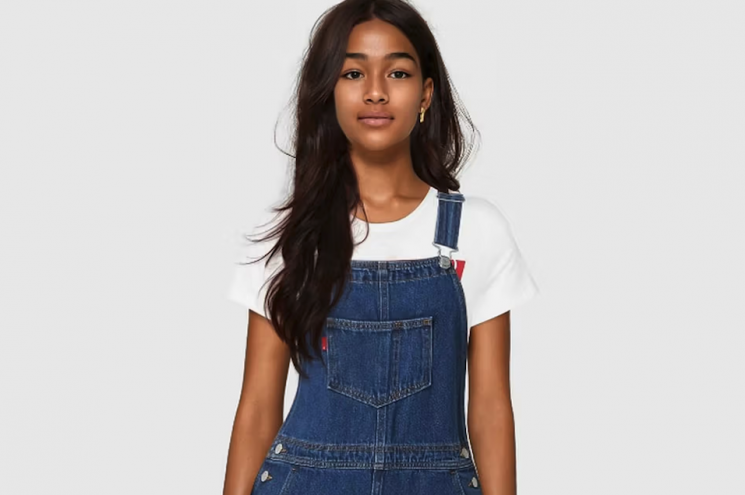
The emergence of AI models has already sparked controversy for several years. In 2023, Levi’s was notably the first to use AI models, which at the time also drew criticism for threatening the jobs of models and staff. Levi’s explained that it was experimenting with AI models to represent diverse body types and skin tones. Since then, other global brands such as Mango have already adopted the technology. Mango used AI models in advertisements targeting teenagers. Around March, the global brand H&M used a “digital twin” in an advertisement with the actual model’s consent. In this case, while the model could receive compensation, there were concerns that it could affect photographers, makeup artists, and hair stylists. Above all, experts warn that this trend could threaten jobs not only in the modeling industry but also across the entire fashion ecosystem, including photographers and makeup artists.
© The Asia Business Daily(www.asiae.co.kr). All rights reserved.


















