Abolition of Funding for PBS and NPR
"Most Operations to End by the End of September"
The Corporation for Public Broadcasting (CPB), which provides funding to public broadcasters such as NPR and PBS in the United States, will cease operations at the end of next month.
According to foreign media outlets such as the Associated Press on August 2 (local time), CPB announced its decision to halt operations the previous day. CPB notified its employees that most of its operations would end with the close of the fiscal year on September 30.
After that, only a small transition team will remain to wrap up business through January of next year. CPB explained that the remaining tasks include securing essential music copyrights for public media.
In a statement, CPB said, "Despite various efforts, including millions of Americans petitioning Congress to maintain federal funding, we now face the difficult reality of having to cease operations." Last month, the U.S. Congress passed a budget bill that cut $9 billion from international aid and public broadcasting budgets. As a result, $1.1 billion of CPB's two-year budget has been slashed.
The dissolution of CPB marks another political victory for President Donald Trump. President Trump has previously pushed for budget cuts, suspecting 'left-leaning bias' at NPR and PBS. He has criticized these two broadcasters, saying that their current affairs programming for taxpayers was neither fair, accurate, nor impartial.
CPB was established in 1967 by Congress as an independent, nonprofit organization. Its founding purpose was to support and promote public broadcasting. CPB funding is distributed to more than 1,500 local public radio and TV stations nationwide, including PBS and NPR. With this funding, public broadcasters have produced highly public-interest content, including educational, cultural, and community-focused programming.
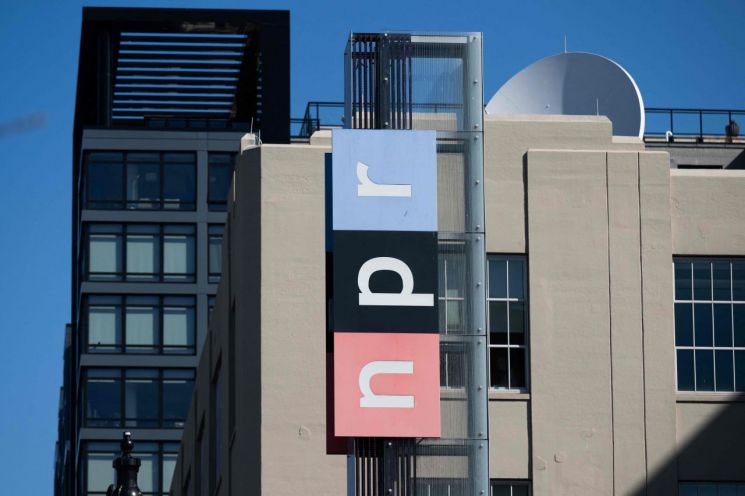
In a statement, NPR expressed concern, saying, "This (CPB) shutdown will affect all public media organizations and, furthermore, every community across the country that relies on public broadcasting."
© The Asia Business Daily(www.asiae.co.kr). All rights reserved.
![Clutching a Stolen Dior Bag, Saying "I Hate Being Poor but Real"... The Grotesque Con of a "Human Knockoff" [Slate]](https://cwcontent.asiae.co.kr/asiaresize/183/2026021902243444107_1771435474.jpg)















