The Gyeonggi Institute of Health and Environment has seized and discarded two agricultural products that exceeded the permissible levels of pesticide residues.
The Institute announced on July 30 that, as a result of safety inspections for pesticide residues in summer agricultural products conducted from June 16 to July 20, two out of 127 cases exceeded the standard limits. The products were identified, seized, and discarded, and the Institute requested administrative action from the relevant authorities.
This inspection focused on 30 types of produce distributed within the province, including lettuce, perilla leaves, young radish, and chili peppers.
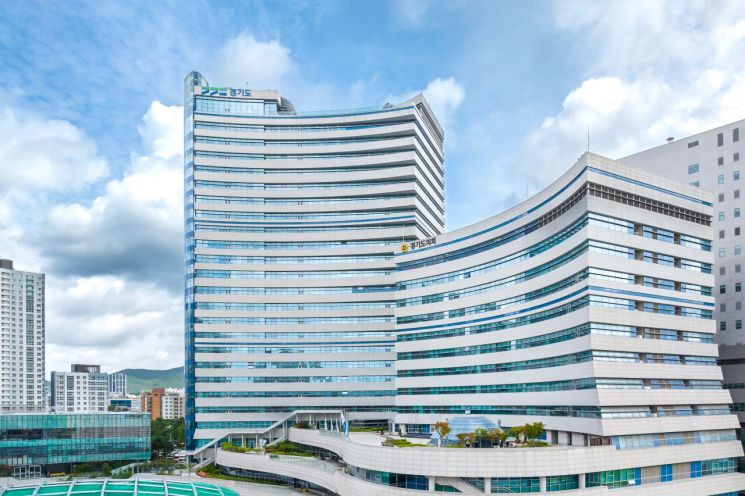
Out of 127 samples, analysis was conducted for 475 types of pesticide residues. 125 samples (98.4%) were found to be within the permissible limits and were deemed 'compliant.'
However, in one case each of young Chinese cabbage and kale, pesticide residues exceeding the allowable limits were detected. In young Chinese cabbage, the insecticide 'carbaryl' was found at 0.04 mg/kg, approximately four times the standard limit of 0.01 mg/kg. In kale, 'dinotefuran' was detected at 2.9 mg/kg, exceeding the standard limit of 2.0 mg/kg.
The Institute immediately seized and discarded both cases and registered them in the Ministry of Food and Drug Safety's 'Non-compliant Food Emergency Notification System.'
Meanwhile, this pesticide residue inspection was carried out as part of the 'Safe Food Guardian' project to build public trust in agricultural products with high summer consumption. The Institute plans to continue ongoing inspections and public awareness efforts to provide safe food in the future.
© The Asia Business Daily(www.asiae.co.kr). All rights reserved.
![Clutching a Stolen Dior Bag, Saying "I Hate Being Poor but Real"... The Grotesque Con of a "Human Knockoff" [Slate]](https://cwcontent.asiae.co.kr/asiaresize/183/2026021902243444107_1771435474.jpg)
















