"From Heat Waves to Typhoons and Cold Waves
Building a Safe City for All Seasons"
On July 29, Yeosu City in South Jeolla Province (Mayor Jung Kimyung) announced that it is operating a disaster safety system 24 hours a day, 365 days a year to proactively respond to natural disasters that occur throughout the four seasons, such as heat waves, typhoons, heavy rainfall, and cold waves.
The city operates the 'Disaster Safety Countermeasure Headquarters' in a swift, step-by-step manner, from Emergency Level 1 to Level 3, according to weather conditions. It maintains a 24-hour response system, centering on 13 dedicated departments responsible for each of the collaborative functions.
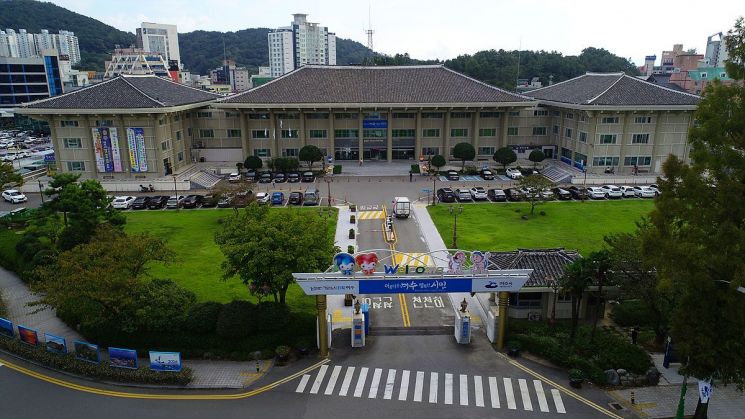
At each level, the city organizes task forces for disaster situation management, emergency livelihood support, and facility emergency restoration, enabling rapid disaster prevention and recovery. It is also strengthening a field-oriented response system that prioritizes citizen safety above all else.
To prepare for typhoons and heavy rainfall, the city is continuously inspecting and managing 76 disaster-prone areas, 215 steep slopes, 21 semi-basement homes, and 9 drainage pump stations.
From May to September, a dedicated Heat Wave Response Task Force operates with the goal of achieving zero casualties. To this end, the city has installed 437 cooling shelters, 204 shade canopies, 5 smart bus stops, and 4 cooling fog facilities throughout urban areas to mitigate heat. In particular, in response to the recent consecutive heat wave advisories, three road watering trucks are being operated intensively four times a day, focusing on residential and commercial districts and city centers with high foot traffic.
In rural and fishing villages, heat wave information is delivered in real time through village broadcasts and disaster text alerts. The city also operates an emergency monitoring system for heat-related illnesses in cooperation with five emergency medical institutions to ensure a rapid response to emergencies.
A relief system for protecting disaster victims is also in operation in the event of a disaster. For citizens who are temporarily evacuated or have lost their homes due to typhoons or heavy rainfall, 105 temporary shelters have been designated and are being operated.
When disaster victims occur, emergency relief kits and cooking relief kits are provided immediately. The city also supports a quick return to daily life by offering temporary accommodation and long-term relief funds.
The city is also promoting maintenance projects for areas at risk of steep slope collapse, focusing on eliminating disaster blind spots. In particular, a steep slope maintenance project has been underway since last year in the Andori area of Nam-myeon, with a total budget of 6.2 billion KRW to be invested by next year.
In addition, when a natural disaster occurs, the city carries out prompt restoration in accordance with the 'Disaster and Safety Act' and the 'Regulations on the Burden of Relief and Restoration Costs for Natural Disasters.' Disaster relief funds are provided to citizens who suffer losses such as housing damage and losses in their primary means of livelihood, including agriculture, fisheries, and forestry, according to the prescribed standards. Depending on the scale of the damage, the city has established a response system that enables support from the central government and designation as a special disaster area for national funding. The Disaster Management Fund is actively utilized as a resource for prompt emergency restoration and disaster prevention projects after a disaster occurs.
A city official stated, "The city will be a strong shield for our citizens in any disaster," and added, "We will continue to build a safe city where citizens can live with peace of mind through a 24-hour disaster safety system prepared for natural disasters in all seasons."
© The Asia Business Daily(www.asiae.co.kr). All rights reserved.
![Clutching a Stolen Dior Bag, Saying "I Hate Being Poor but Real"... The Grotesque Con of a "Human Knockoff" [Slate]](https://cwcontent.asiae.co.kr/asiaresize/183/2026021902243444107_1771435474.jpg)















