The EMR certification system is a program that evaluates whether the EMR systems used by healthcare institutions meet standards in three areas: functionality, interoperability, and security. This is based on Article 23-2 of the Medical Service Act (Standardization of Electronic Medical Records, etc.) and Article 10-8 of the Enforcement Decree of the same Act (Certification of Electronic Medical Record Systems).
The purpose of this system is to improve the quality of medical care, ensure patient safety, and guarantee the continuity of treatment.
The second-cycle EMR certification system, which has been in effect since January 2025, integrates and streamlines certification indicators to respond to the changing medical environment in various fields such as medical treatment, nursing, clinical support, and administration. At the same time, it reduces the certification workload for medical institutions and supports the establishment of a safe clinical environment.
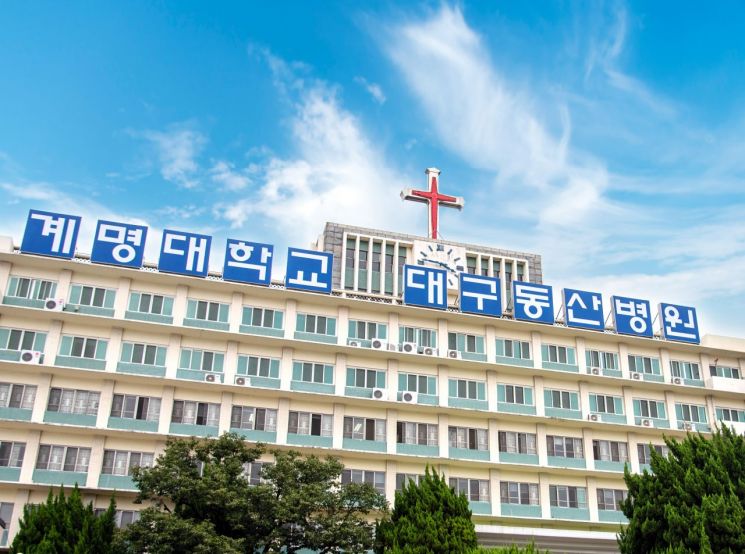
Daegu Dongsan Hospital received EMR usage certification for general hospitals classified as "Type 2" in 2021. In 2025, with the expansion of its bed capacity, it was evaluated as a candidate for the second-cycle "Type 3" (for general hospitals with 300 beds or more) and was found to be suitable.
Currently, Daegu Dongsan Hospital uses "Dongsan Hospital Best Care 2.0," the integrated hospital information system of Dongsan Medical Center, which renewed its product certification in 2024. This system is jointly used by three hospitals under the medical center: Dongsan Hospital, Daegu Dongsan Hospital, and Gyeongju Dongsan Hospital.
The system includes features to enhance patient safety and the accuracy of medical care, such as detailed recording of patients' drug allergies and hypersensitivity reactions, pre-checking for interactions with existing medications when prescribing, and automatically notifying medical staff if there are abnormal test results.
In addition, the hospital is actively participating in the "Medical Information Exchange Project" and the "Health Information Highway" led by the Korea Health Information Service. Through these initiatives, it is improving the clinical environment by safely linking patient medical information between institutions and making it easy to access accumulated medical data from multiple institutions via mobile devices, thereby incorporating digital technology into healthcare.
Director Jung Woojin stated, "With this certification, we are now able to safely manage key clinical information and strengthen the continuity of care," and added, "We will continue to create a trusted medical environment through the safe use of medical information and enhanced security."
© The Asia Business Daily(www.asiae.co.kr). All rights reserved.
![Clutching a Stolen Dior Bag, Saying "I Hate Being Poor but Real"... The Grotesque Con of a "Human Knockoff" [Slate]](https://cwcontent.asiae.co.kr/asiaresize/183/2026021902243444107_1771435474.jpg)















