Reactions to the proposal to extend the retirement age to 65 have been found to be sharply divided across generations. Unemployed young adults perceive that extending the statutory retirement age will lead to a decrease in new hiring, while middle-aged and older employees believe that raising the retirement age is unrelated to opportunities for younger generations.
On July 23, the Korea Employers Federation announced that it had conducted a "Generational Perception Survey on Retirement Age Extension and Work Values" targeting unemployed youth and middle-aged employees. The survey included 500 young adults aged 20 to 34 who have no experience as regular (entry-level) employees and are currently seeking employment, as well as 500 employees aged 45 to 59 who have at least 15 years of experience as regular employees.
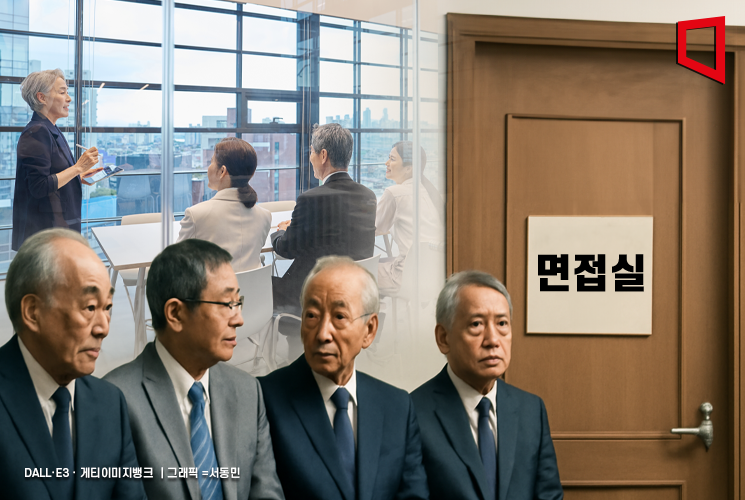
Regarding the impact of retirement age extension on new hiring among young people, 61.2% of unemployed youth responded that it would "decrease" new hiring, which was the highest proportion. Among middle-aged employees, the most common response was "no impact," at 50.6%, while 43% also answered that it would "decrease" new hiring.
When asked about the most desirable post-retirement employment policy for older workers, 36.8% of unemployed youth said it should be "decided autonomously according to company circumstances," which was the most common response. In contrast, 46.8% of middle-aged employees preferred "retirement age extension." The Korea Employers Federation interpreted this as reflecting the concern among unemployed youth that a uniform post-retirement employment policy would increase the burden on companies and further reduce new hiring opportunities for young people. Meanwhile, middle-aged employees who are already in the labor market were found to prefer retirement age extension as it maximizes employment stability.
Lim Youngtae, head of employment and social policy at the Korea Employers Federation, stated, "Retirement age extension involves complex and intertwined interests between young and middle-aged generations, such as the distribution of job opportunities and fairness in the wage system, so it is important to coordinate these interests rationally." He also emphasized, "In order to ensure a stable old age for older workers without sacrificing opportunities for young people, job policies such as 'rehiring after retirement' that can involve both generations should be actively considered."
© The Asia Business Daily(www.asiae.co.kr). All rights reserved.

















