Uijeongbu City Fosters Cultural Ecosystem Through Creation, Documentation, Learning, and Policy Proposals
A Space Where Everyday Life Becomes Culture... Complex Cultural Platform "Uijeongbu Culture Station Eum"
Carrying on the Artistic Legacy of Baek Youngsu... Plans for Uijeongbu City Baek Youngsu Art Museum
40th Hoeryong Cultural Festival... Strengthening Urban Identity and Evolving Into a Future-Oriented Citizen Festival
Uijeongbu City in Gyeonggi Province, led by Mayor Kim Donggeun, is implementing citizen-led cultural policies with the goal of becoming a "city where citizens are the main agents of culture." The city is creating a daily cultural city through various cultural platforms where citizens can propose policies themselves and preserve local memories, going beyond traditional artistic activities such as exhibitions and performances.
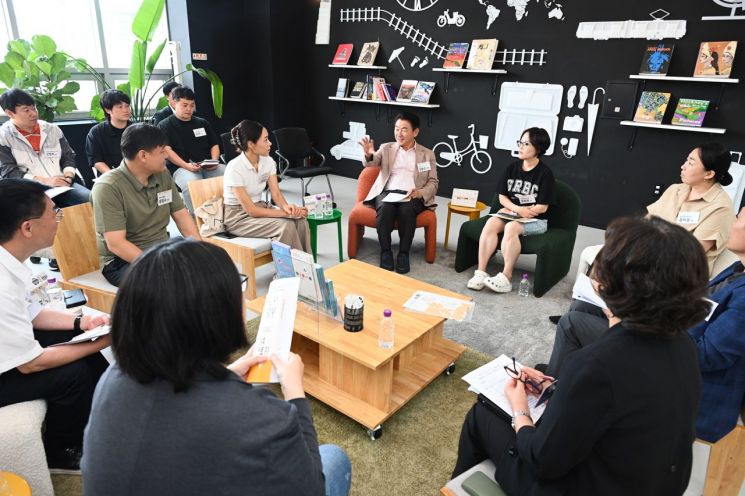
According to Uijeongbu City on July 18, the city has transformed the unused fourth floor space of Uijeongbu Station into the "Uijeongbu Culture Station Eum," a complex cultural space, to enable citizens to naturally enjoy culture in their daily lives.
This space, which opened in August 2024, serves as a core hub for the city's cultural city initiative. It is an open platform where a variety of activities take place, including exhibitions, performances, lectures, and participatory programs.
With the motto "A space where everyday life becomes a journey and culture," it is composed of an open lounge and traveler's library, the "Eum Gallery" for exhibitions and seminars, the "Creative Room" shared by citizens and creators, the multipurpose "Modeum Hall," and the "Hwaeum Hall" for art group rehearsals.
The facility is open to everyone, from Tuesday to Saturday, 9:00 AM to 8:30 PM.
Currently, Eum has established itself as a representative complex cultural space, hosting over 260 citizen-led events, workshops, seminars, and educational programs annually. The city plans to continue actively reflecting citizen feedback to improve operations and further promote the everyday enjoyment of culture.
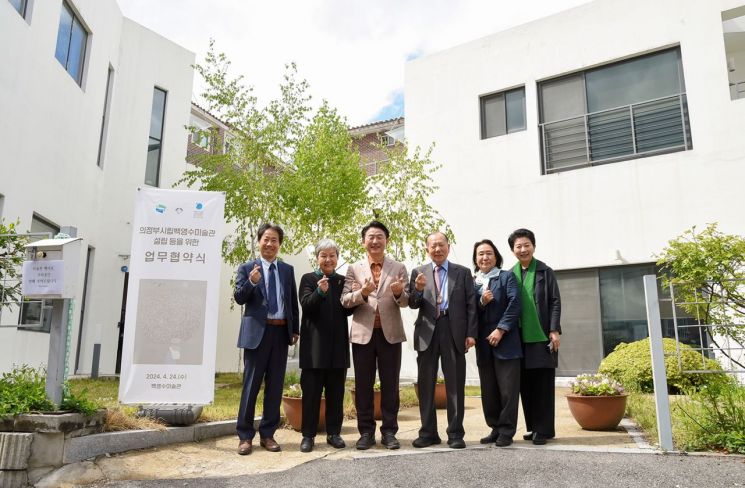
Uijeongbu City is working to establish the "Uijeongbu City Baek Youngsu Art Museum" to preserve the artistic legacy of the late Baek Youngsu, a pioneer of Korean abstract art, and to expand cultural enjoyment opportunities for citizens.
Baek Youngsu was a member of the "New Realism Group," which, along with Kim Whanki, Lee Jungseop, and Chang Ucchin, opened a new chapter in Korean modern art after liberation. He devoted his later years to his work in Uijeongbu. The current Baek Youngsu Art Museum, located in Howon-dong, is the very space where Baek lived and worked, and has been operated by the Baek Youngsu Art and Culture Foundation since its opening in 2018.
However, as the site has been included in a redevelopment area, relocation has become inevitable. The city plans to build a new municipal art museum and cultural park on a site to be donated, transforming it into a new space for citizens. In April last year, the city signed a business agreement with the foundation to begin the process of municipalization, including securing the site, art donations, and program operations. The establishment task force is currently working to clarify the direction of the new museum's operations.
The new art museum will go beyond being a simple exhibition space and will function as a complex cultural space with educational, experiential, and research functions. It is expected to grow into a core hub of the local art ecosystem.
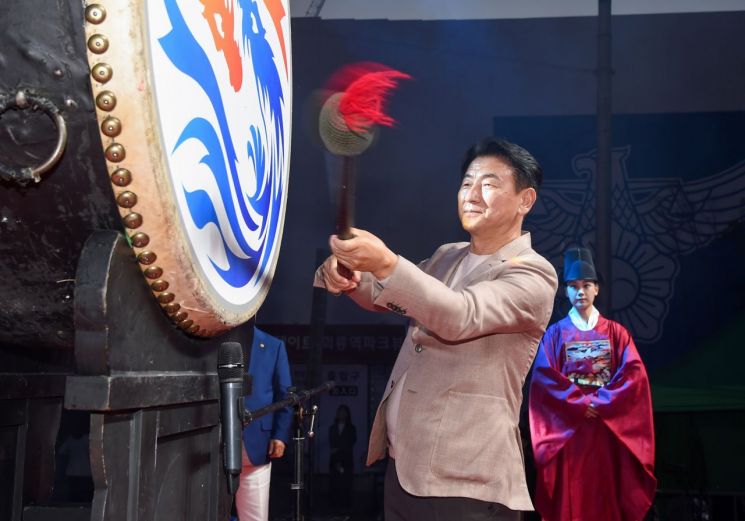
The "Hoeryong Cultural Festival," Uijeongbu's representative traditional cultural festival, has been a citizen-centered festival since 1986, based on the legend that King Taejo Yi Seonggye of Joseon stayed in the area. The opening performance "Hoeryongga," which dramatizes the historic meeting of Taejo and Taejong, as well as resident-participation performances and traditional games competitions, have helped carry on the region's identity.
Since 2023, the festival has been held in Jeonja Village, Howon-dong, near Hoeryongsa Temple, strengthening its sense of place and historical significance. Marking its 40th anniversary this year, the festival has been planned as an independent event, separate from the "Citizen's Day Commemoration Ceremony," to increase its focus and symbolism.
This year, the festival is co-hosted by the Uijeongbu Cultural Center and the Uijeongbu Cultural Foundation, enhancing both content planning and execution. The city is actively incorporating ideas from the citizen planning group to prepare a richer program lineup. Uijeongbu City plans to further develop the Hoeryong Cultural Festival into a future-oriented citizen festival that grows together with its citizens, going beyond a simple traditional festival.
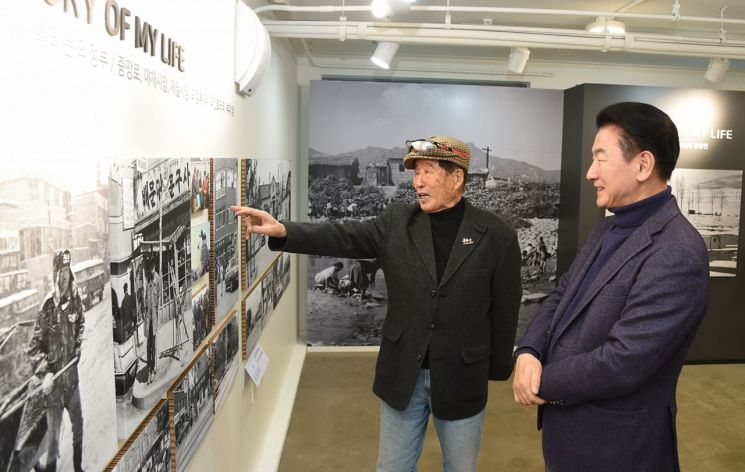
The "Uijeongbu Memory Archive" was established as a citizen-participatory cultural archive space to preserve the memories and everyday culture of the region, which can easily disappear amid rapid urban development.
Located at 7 Heungseon-ro, the archive was created by remodeling the old Veterans Hall. It consists of the "Memory Hall," where exhibitions and guided tours are held, and the "Archive," which collects and preserves records.
The Uijeongbu Cultural Center is responsible for its operation, and various participatory programs are actively being held, such as the "Memory Salon" humanities lectures with citizen participation, the "Come Play Saturday" children's experiential program, and the citizen educator training course.
This year, the archive is presenting the special exhibition "500 Years of Uijeongbu," and in November, "A Thousand Years of Uijeongbu Stories" is scheduled. With about 7,000 visitors annually, the Uijeongbu Memory Archive is solidifying its position as a living urban archive.
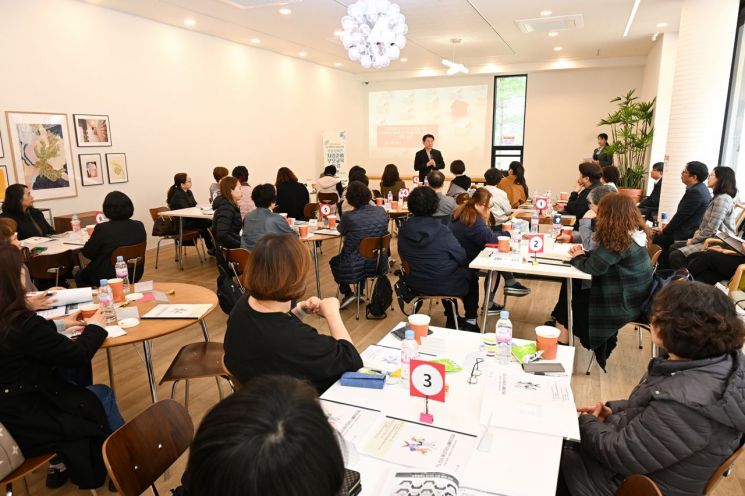 Special Lecture on Independence for People with Developmental Disabilities at Uijeongbu Citizen University. Provided by Uijeongbu City
Since 2023, Uijeongbu City has been operating the "Uijeongbu Citizen University," a new lifelong learning model, building a policy-oriented educational platform where citizens learn about urban issues and propose policies. This goes beyond traditional liberal arts education, creating a structure where learning directly leads to action.
The Citizen University consists of the Department of Urban Policy (public agendas such as education and welfare), the Department of Everyday Policy (everyday topics such as neighborhoods and local businesses), and specialized citizen proposal tracks (autonomous planning in humanities, science, etc.). The university operates on a two-semester system per year, with a department-based curriculum, providing a systematic operational foundation.
In 2024, a total of 191 citizens completed the program, resulting in 11 policy proposals, some of which have been implemented in actual administration. Notably, the proposal "Independence for People with Developmental Disabilities is Coming (ON多)" was realized through a special policy lecture and a housing support information-sharing event. In addition, various proposals related to urban design, festivals, and local businesses are being translated into practical policies.
The Citizen University is strengthening the link between administration and citizens, gaining attention as a platform for citizen-led cultural experimentation where learning and action meet.
Mayor Kim Donggeun of Uijeongbu stated, "We will create a cultural ecosystem where citizens not only enjoy culture in their daily lives but also directly shape the city through various means such as creation, documentation, learning, and policy proposals," and emphasized, "We will ensure that the imagination and experience of citizens become the driving force for a sustainable cultural city."
Meanwhile, Uijeongbu City was designated as the first legal cultural city in northern Gyeonggi Province in 2023, and in 2024, it was selected as an "Excellent City" for the second consecutive year in the Ministry of Culture, Sports and Tourism's evaluation of cultural city development projects.
© The Asia Business Daily(www.asiae.co.kr). All rights reserved.



















