"Keep the Temperature Difference Between Indoors and Outdoors Within 5 Degrees Celsius"
During the summer, when the use of air conditioners and other cooling devices increases, people need to be cautious about 'air conditioning syndrome,' which can occur due to a significant temperature difference between indoor and outdoor environments.
According to Korea University Anam Hospital on July 17, air conditioning syndrome refers to a group of symptoms that occur throughout the body when the autonomic nervous system fails to adapt to a sudden temperature change of more than 5 degrees Celsius between indoors and outdoors.
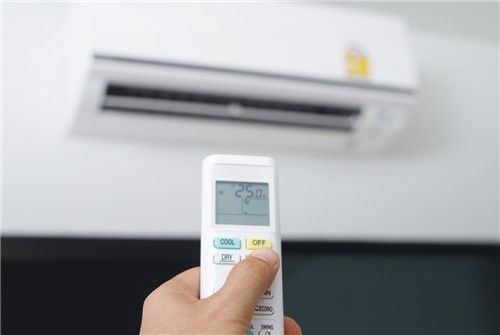
Although air conditioning syndrome is not a formal medical diagnosis, it commonly presents with symptoms such as headache, general fatigue, muscle pain, and dizziness. It may also cause symptoms similar to a cold, including sore throat, runny nose, and cough, as well as gastrointestinal issues like indigestion, diarrhea, and abdominal pain. In women, it can lead to menstrual irregularities or worsening menstrual pain.
It is known that air conditioning syndrome usually improves naturally if the use of cooling devices is reduced and sufficient rest is taken. However, if symptoms persist for more than three days, or if high fever, severe muscle pain, or difficulty breathing occurs, it is essential to visit a hospital for an accurate diagnosis and treatment.
Yoon Ji-hyun, a professor in the Department of Family Medicine at Korea University Anam Hospital, stated, "If air conditioning syndrome persists, immunity may decrease, making individuals more susceptible to various infectious diseases. Chronic imbalance of the autonomic nervous system can also lead to chronic fatigue syndrome or gastrointestinal disorders." She added, "In particular, patients with chronic conditions such as asthma, allergic diseases, cardiopulmonary dysfunction, arthritis, or diabetes may experience more severe symptoms or worsening of their underlying conditions."
The main causes of air conditioning syndrome include excessive temperature differences between indoor and outdoor environments and prolonged exposure to air conditioning. In addition, bacteria residing in air conditioner filters or cooling water, as well as Legionella bacteria that proliferate in hot and humid summer environments, can also be causes. Legionella bacteria that multiply in air conditioner cooling water can be transmitted through the air and infect the respiratory system.
To prevent air conditioning syndrome, it is important to maintain an appropriate indoor temperature of 24 to 27 degrees Celsius during the summer and to properly regulate the temperature difference with the outside. Regular ventilation and checking the air conditioner filter every two weeks are also necessary.
Professor Yoon said, "To prevent air conditioning syndrome, keep the temperature difference between indoors and outdoors within 5 degrees Celsius and maintain indoor humidity at 50 to 60 percent. By drinking enough water, exercising regularly, and maintaining healthy lifestyle habits, you can stay healthy and avoid air conditioning syndrome during the summer."
© The Asia Business Daily(www.asiae.co.kr). All rights reserved.
![Clutching a Stolen Dior Bag, Saying "I Hate Being Poor but Real"... The Grotesque Con of a "Human Knockoff" [Slate]](https://cwcontent.asiae.co.kr/asiaresize/183/2026021902243444107_1771435474.jpg)















