Utilization of Vehicle Data Rises in the Era of Electrification and Autonomous Driving
Mobility Aftermarket Market Shows Strong Growth Potential
As the number of electric vehicles and other electrified modes of transportation increases, and autonomous driving technology advances, it is expected that the use of driving-related data will also expand. This is because the development of big data analysis technologies utilizing artificial intelligence (AI) enables the use of data collected during vehicle operation to enhance added value in various aftermarket sectors.
Kim Younghoon, Partner at Boston Consulting Group, stated at the 2025 Korea Mobility Industry Symposium held on the 15th, "Major domestic rental car companies have aggregated data from 1,300 companies over the past 10 years using Internet of Things (IoT) technology, and are utilizing it to optimize internal processes and improve operational efficiency." This event was organized by SK Rent-a-Car in collaboration with the Korea Automobile Journalists Association to commemorate the opening of Auto Auction, the nation’s largest used car auction house.
According to Kim, the data accumulated by rental car companies amounts to 25 billion records and 20TB in size. By analyzing individual drivers’ operating hours and driving distances, companies are able to reduce working hours. In addition, by recording refueling history and patterns, as well as fuel efficiency by type, they have managed to reduce fuel costs by 20%.
There are also cases where analyzing speed and sudden braking history has helped reduce accident rates, and where reviewing road information and travel routes has led to lower toll expenses. By tracking vehicle component specifications, current condition, and maintenance history in real time, it is now possible to perform preventive maintenance before a breakdown occurs. In the case of electric vehicles, the condition of the battery?a core component?is also monitored.
The vast amount of data generated during vehicle operation is increasingly being used in collaboration with various external partners in the automotive aftermarket. Insurance companies can develop suitable insurance products based on driving characteristics and accident history. Automakers and parts manufacturers can use accumulated data when developing new vehicles or new parts. Because this information is collected from actual driving, it is often more extensive and useful than laboratory data. Local governments and transportation research institutions can use it to analyze vehicle density and traffic flow, helping to reduce accidents.
The automotive aftermarket refers to all upstream industries, including used car sales, vehicle maintenance and repair, tuning, insurance, and finance. While the domestic new car sales market is estimated at around 80 trillion won per year, the aftermarket is projected by the industry to reach 150 trillion won. Kim Pilsoo, Professor at Daelim University, stated, "The domestic used car market is worth 30 trillion won, and compared to other countries, there is much room for this market to grow further. As the boundaries of the mobility industry become increasingly blurred, the aftermarket is also expanding, and the potential for growth through various convergence models is high."
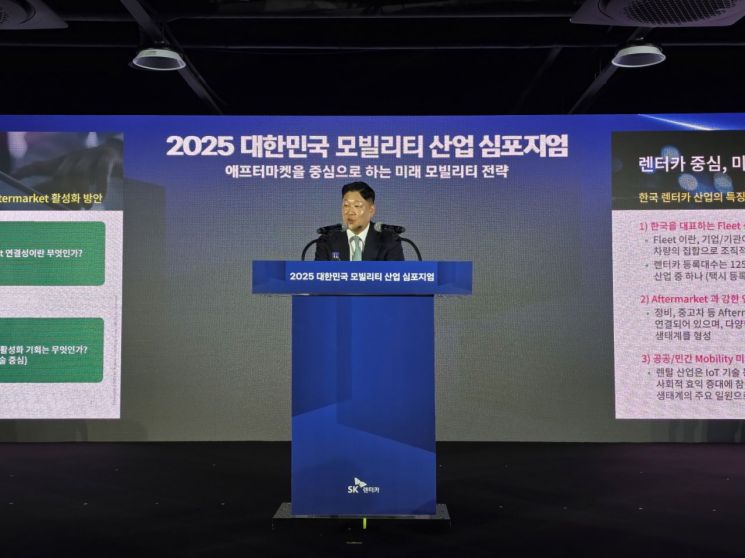 Kim Younghoon, partner at Boston Consulting, is giving a presentation on the vehicle aftermarket at the symposium on the 15th. Photo by Korea Automobile Journalists Association
Rental car companies are considered the primary collectors of driving data. This is because they are the largest buyers in the new car market and have accumulated considerable know-how through their rental operations. While there are about 250,000 taxis operating nationwide, the number of rental cars is approximately 1.25 million?about five times greater.
Kim explained, "In Korea, rental car companies represent the automotive fleet industry and are closely linked to the aftermarket, including maintenance and used cars. By leveraging IoT technology, they are increasing social benefits for both the public and private sectors, and are participating as key players in the mobility innovation ecosystem."
Driving data is also crucial in the development of autonomous driving technology, as vehicles become smarter by learning from the information accumulated during operation. Previously, autonomous driving companies collected their own driving data for research and development, but overseas, there is a trend toward fleet companies managing this data separately.
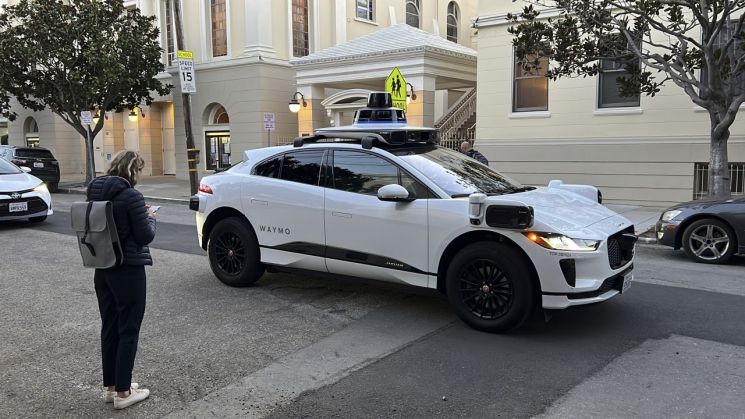
A representative example is Waymo, Google’s autonomous driving technology company. In the past, Waymo owned and operated its own vehicles to accumulate data. More recently, it has focused on research and development of autonomous driving software, while outsourcing vehicle ownership, control, and maintenance to specialized companies, and collaborating with Uber for user-facing ride-hailing platforms.
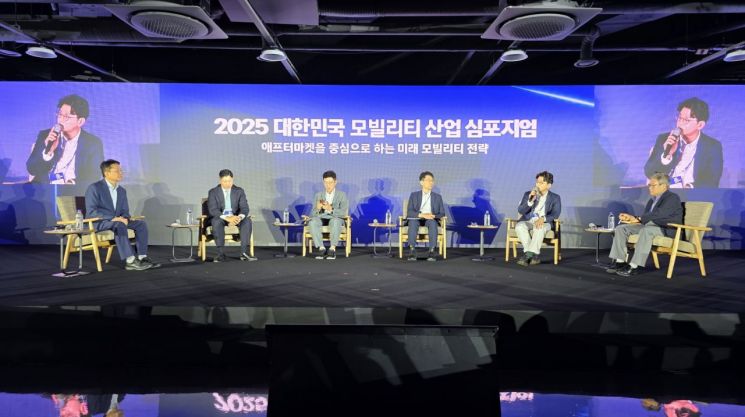 Participants are engaged in a panel discussion at the 2025 Korea Mobility Industry Symposium held on the 15th at SK Rent-a-Car Auto Auction. From the left, Professor Kim Pilsoo of Daelim University, who served as the presenter and chairperson for the day; Kim Younghoon, Partner at BCG; Professor Lee Hogun of Daeduk University; Bae Sungho, Director of Mobility Division at the Ministry of Land, Infrastructure and Transport; Ryu Jongun, Chair of the Academic Committee of the Korea Automobile Journalists Association; and Heo Jungcheol, Secretary General of the Korea Automobile Tuning Industry Association. Provided by the Korea Automobile Journalists Association.
President Lee Jaemyung pledged to foster the used car and tuning industries as one of his key campaign promises. He also made it clear that managing battery history for electric vehicle safety would be pursued as a national policy initiative. The government has decided to implement policies across various sectors in line with this direction.
Bae Sungho, Director of the Mobility Division at the Ministry of Land, Infrastructure and Transport, stated, "Autonomous driving is a top policy priority and will be pursued as a major national project. Although the United States and China are ahead, we are considering ways to fully leverage our well-developed public transportation network. Since conflicts may arise with existing transportation industry workers, we are also taking these factors into account as we develop our policies."
SK Rent-a-Car Auto Auction, where the event was held, is Korea’s first vehicle auction platform that offers a one-stop service?from used car auctions to the commercialization of auctioned vehicles. The opening ceremony was attended by Lee Junghwan, CEO of SK Rent-a-Car, as well as local government and political figures, representatives from automakers, and other stakeholders from related industries, with a total of over 160 participants.
© The Asia Business Daily(www.asiae.co.kr). All rights reserved.



















