Threefold Increase in Immune Protein (IL-10) Observed in Gagam Palmultang Group
The Jaseng Korean Medicine Hospital Spine and Joint Research Institute announced on July 14 that it has published scientific evidence of the immune recovery effects of the traditional herbal formula "Gagam Palmultang (PMT)" in the SCI(E)-level international journal "Applied Sciences" (IF=2.5).
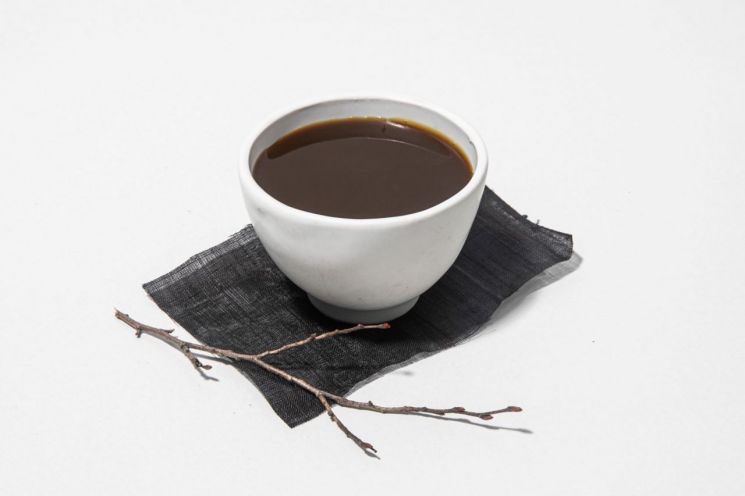
Gagam Palmultang is a traditional prescription composed of eight medicinal herbs. It is known to replenish qi and blood and enhance immune function. It has been widely used to improve anemia, chronic diseases, post-illness debility, and fatigue and weakness caused by immune suppression. Recently, various forms of Gagam Palmultang, in which additional herbs are included or excluded depending on the intended use, have been prescribed.
In this study, Dr. Hong Jinyoung and her research team at the Jaseng Korean Medicine Hospital Spine and Joint Research Institute used a version of Gagam Palmultang consisting of 14 medicinal herbs, including Angelica gigas, Panax ginseng, Glycyrrhiza uralensis, and Poria cocos. The researchers used an experimental mouse model with suppressed immune function induced by the immunosuppressant cyclophosphamide (CPA). Four groups were established: a normal group, a CPA-administered group (immunosuppressed group), a PMT 100mg/kg group, and a PMT 200mg/kg group. The experiment involved oral administration for 14 days.
First, through cell experiments on the mice, the team confirmed that the expression of the anti-inflammatory immune protein cytokine IL-10 (interleukin-10), which regulates immune balance and suppresses inflammation, increased significantly in proportion to the PMT dosage. Notably, in the 200mg/kg group, IL-10 levels were approximately three times higher than in the immunosuppressed group, demonstrating a strong immune recovery effect. In addition, blood tests showed that the levels of white blood cells (WBC) and eosinophils (EOS), which had decreased due to CPA administration, recovered, further proving that Gagam Palmultang contributes to overall immune function improvement.
Clear effects were also observed in terms of immune cell activation. In the groups administered Gagam Palmultang, the number of CD4+ and CD8+ T lymphocytes, which are major components of T cells involved in immune function, increased significantly. CD4+ cells, known as "helper T cells," coordinate immune responses, while CD8+ cells, known as "cytotoxic T cells," eliminate virus-infected cells. Both play crucial roles in the immune system. In particular, in the PMT 200mg/kg group, CD4+ cells increased by about 1.5 times and CD8+ cells by about 1.4 times compared to the immunosuppressed group. Furthermore, the size and tissue structure of the thymus, an organ where immune cells mature, also returned to normal levels.
Additionally, recovery was observed in the proportion of CD25+ cells, an indicator of immune regulation. CD25+ plays an important role in T cell activation and maintaining immune balance. Flow cytometry (FACS) analysis showed that the proportion of CD25+ cells, which was about 25% in the normal group, dropped sharply to about 13% in the CPA-administered group. In contrast, the proportions improved significantly in the PMT 100mg/kg and 200mg/kg groups, reaching 17.1% and 20.4%, respectively, in a dose-dependent manner.
Dr. Hong Jinyoung of the Jaseng Korean Medicine Hospital Spine and Joint Research Institute stated, "Through this study, we have scientifically confirmed that the traditional formula Palmultang can be an effective complementary therapy for immune recovery," and added, "We will continue to explore the potential of Korean medicine as a natural-based therapeutic agent through further expanded research."
© The Asia Business Daily(www.asiae.co.kr). All rights reserved.
![Clutching a Stolen Dior Bag, Saying "I Hate Being Poor but Real"... The Grotesque Con of a "Human Knockoff" [Slate]](https://cwcontent.asiae.co.kr/asiaresize/183/2026021902243444107_1771435474.jpg)















