Forged Identities: The Trap Set by Secondhand Scam Rings
From 'Runaway' Deals to Fake Ticket Sales
Evading Tracking with Shell Accounts and Forged IDs
Kim, a woman in her 40s living in Seoul, recently found a bag she had been eyeing listed at a low price on a secondhand trading website. The item, which was originally priced at 4 million won, had dropped to 3 million won, prompting her to immediately inquire about the deal, fearing she might miss out. The seller, Lee, told her that if she transferred the money to his account, he would send the bag via quick delivery within two hours. Kim promptly wired the money. However, when the delivery did not arrive after some time, she logged back into the site and found that Lee’s account had been blocked due to involvement in a scam. It turned out that Kim was not the only victim.
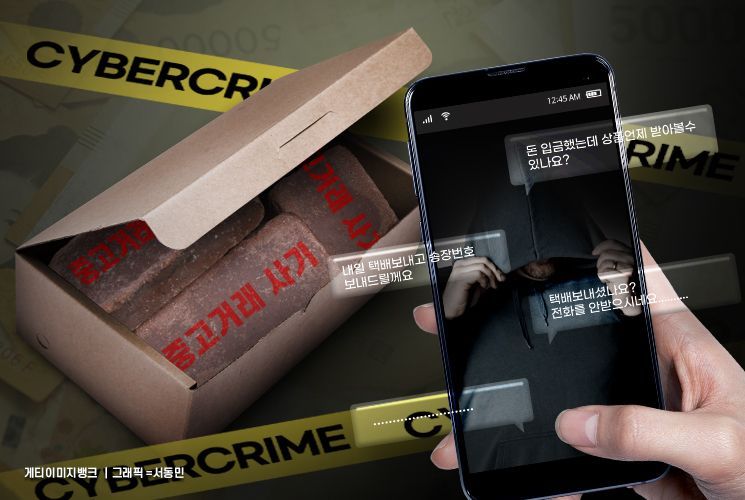
There has been a rise in organized crime groups committing 'runaway' scams in secondhand transactions by stealing a single person's identity. In addition to forged identities, new methods have emerged, such as selling fake tickets using image manipulation with artificial intelligence (AI).
Deceiving Multiple Buyers by Showing Forged IDs
According to the anti-financial fraud platform TheCheat on July 12, there were 239 reported cases of damages caused by Lee in the first half of this year alone. Cases related to Lee have been reported at police stations across the country, including Seoul Jongno Police Station and Sejong Nambu Police Station.
The scam was meticulously planned, with Lee presenting a forged ID to reassure the other party. He then used a 'doorknob transaction' method, where after receiving payment, he would provide the door lock code so the buyer could pick up the item at the front door?only to disappear after taking the money. In the case of gift certificates, he would send used gifticons to the victims.
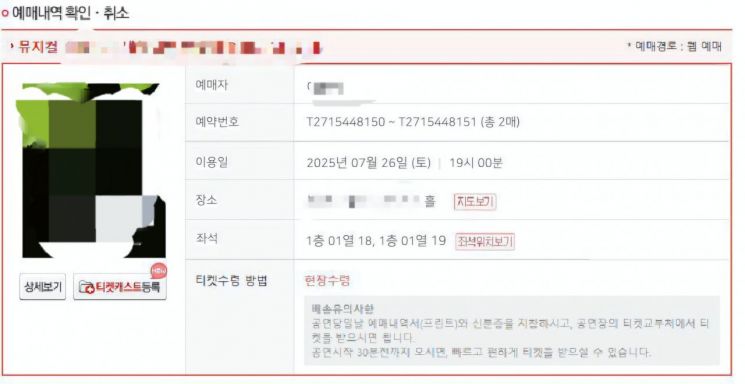
Fake tickets were also sold through image manipulation. Lee Dohwa, a 30-year-old resident of Pyeongtaek, Gyeonggi Province, said, "I sent 420,000 won to buy a musical ticket and received a ticket image, but it turned out to be a doctored image. I was informed that Lee's scam had been reported to the police, but his identity remains unclear and it is uncertain when he will be caught, so victims continue to emerge."
There have also been a series of scams using other stolen identities besides Lee. On June 25, Noh Chunhu, a 57-year-old resident of Gunsan, North Jeolla Province, was scammed by Oh. They had initially agreed to meet in person for a gold bar transaction, but on the day of the deal, Oh suddenly suggested a doorknob transaction, making excuses about being busy. Noh sent 2.75 million won and asked for the door lock code to pick up the gold bar, but Oh stalled, asking him to wait a little longer, and then cut off contact. There are about 40 known victims of Oh’s scams.
One Name, Multiple Actors... Difficult to Identify Suspects
Such scams exploiting secondhand trading are not isolated incidents but are carried out in an organized manner. In fact, a group using similar methods was recently handed over to prosecutors. In January, the Cyber Crime Investigation Unit of the Jeju Provincial Police Agency arrested and referred four individuals to the prosecution for forging identities and swindling a total of 370 million won from 563 people by offering expensive items such as portable farmhouses and containers as bait.
However, police investigations into organized secondhand trading scams face several obstacles. Voice phishing rings have entered the secondhand scam scene, making it difficult for police to track them due to forged IDs and bank accounts opened under false names. In the case of such accounts, investigators must trace transaction records, and if transfers span multiple banks, separate search and seizure warrants are required for each bank, leading to lengthy delays in identifying suspects. Even if a suspect’s personal details are confirmed, the ringleaders of these organizations are often based overseas, requiring cooperation from local law enforcement.
A police official explained, "Secondhand trading scams largely fall into two categories: organized crimes using stolen identities and individual crimes committed under the perpetrator’s own name to raise quick cash. Individual crimes are relatively easy to track, but organized crimes involve receiving personal data or purchasing identities via Telegram and using fake accounts, so their identities remain hidden and investigations take much longer."
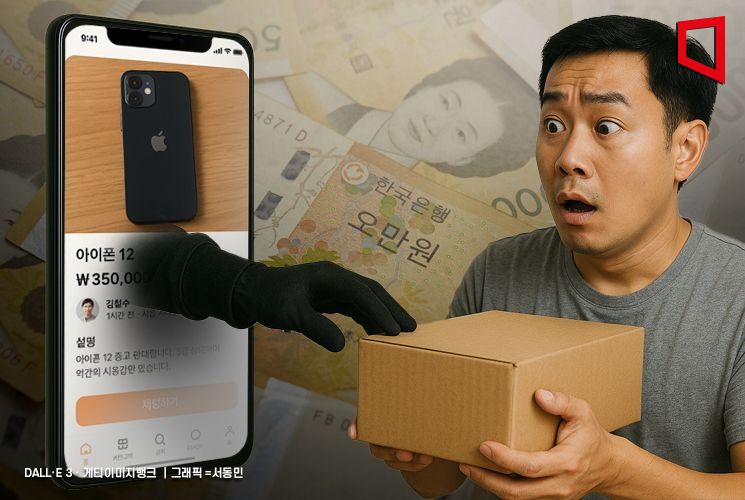
It is also difficult for buyers to protect themselves from scams. While platforms like TheCheat allow users to check if a seller’s account number has been linked to fraud, scammers can simply open new accounts, such as free savings accounts that can be set up without face-to-face verification, to continue their crimes. Recently, scammers have also been using AI to manipulate images of tickets and gift certificates, further deceiving victims.
Lee Yunho, a distinguished professor of police studies at Korea Cyber University, said, "Secondhand trading scams are becoming increasingly organized, making it more difficult to identify suspects. Just as real estate deals involve intermediaries, secondhand trading platforms should take responsibility for mediating transactions." He added, "Avoiding advance payment is the most effective way to prevent scams in secondhand transactions."
© The Asia Business Daily(www.asiae.co.kr). All rights reserved.



















