Australia, Hong Kong, and China Show Broad Gains
Japan Weakens Amid "Trump Risk"
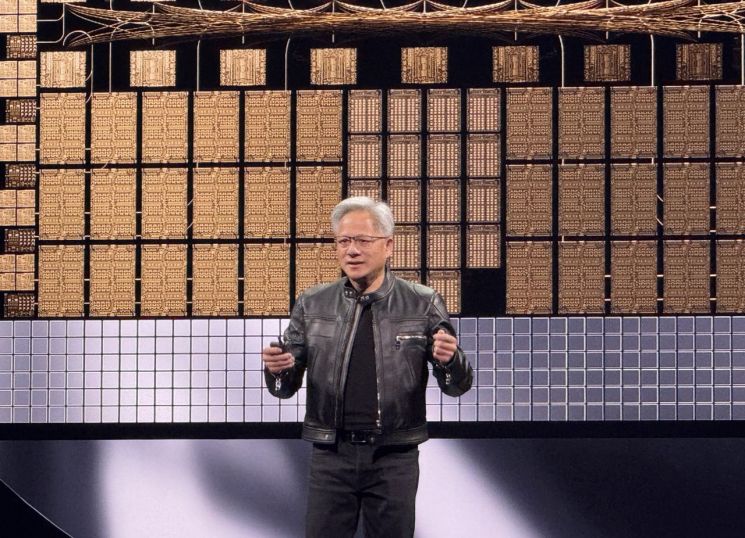
Asian stock markets showed a generally strong performance on July 10, buoyed by the so-called "NVIDIA effect." As NVIDIA broke the $4 trillion market capitalization mark during intraday trading on the New York Stock Exchange overnight, global investor appetite for risk assets strengthened.
According to CNBC, as of 2:59 p.m. local time, Korea's KOSPI Index was up 1.28% from the previous trading day, standing at 3,173.78. The KOSPI recorded the steepest rise among all major Asian stock indices.
Taiwan's TAIEX was also up 0.74%, followed by Australia's ASX 200 Index (0.6%), China's Shanghai Composite Index (0.56%), Singapore's Straits Times Index (STI) (0.41%), and Hong Kong's Hang Seng Index (HSI) (0.35%). However, Japan's Nikkei Index saw a notable decline of 0.68% compared to the previous session, as "Trump risk" came to the fore.
The main driver behind the overall strength in Asian markets was NVIDIA. Semiconductor stocks rallied in tandem with NVIDIA's surge. On July 9, NVIDIA's share price soared to as high as $164.42 during intraday trading, pushing its market capitalization above $4 trillion. This is the first time any global company has surpassed the $4 trillion market cap threshold.
For example, SK Hynix was trading at 292,500 won, up more than 4% from the previous session. However, Samsung Electronics, Korea's largest company by market capitalization, rose only 0.99%, as expectations weakened due to recent poor earnings.
Japan's market underperformed, as President Donald Trump imposed a 25% tariff on Japanese products and trade negotiations reached an impasse. The newly announced tariff rate is 1 percentage point higher than the 24% imposed on April 2.
Earlier, around July 8?the end of a nine-day tariff grace period?President Trump sent new tariff letters to major trading partners, including President Lee Jaemyung. Trump set August 1 as the effective date for the new tariffs. If trade agreements are not reached before then, the tariffs on each country will take effect immediately.
Japan and Korea each received a 25% tariff, while Brazil was hit with a 50% tariff, which was seen as largely retaliatory. In addition, President Trump imposed a 50% tariff on copper imports, citing the need to protect the copper industry. Tariffs on items such as steel, automobiles, and auto parts will be maintained separately, regardless of reciprocal tariffs.
© The Asia Business Daily(www.asiae.co.kr). All rights reserved.
![Clutching a Stolen Dior Bag, Saying "I Hate Being Poor but Real"... The Grotesque Con of a "Human Knockoff" [Slate]](https://cwcontent.asiae.co.kr/asiaresize/183/2026021902243444107_1771435474.jpg)
















