Recently, videos of the mass appearance and unique appearance of the lovebug (Plecia longiforceps), which is rarely seen in Korea, have been spreading online, causing psychological discomfort among viewers.
Although it may be mistaken for a pest, the lovebug does not bite humans or transmit diseases. It is classified as a beneficial insect that contributes to the ecosystem by decomposing organic matter.
Pests are defined as insects and other arthropods that transmit pathogens to humans or livestock, or cause direct harm to health by biting or stinging.
In particular, summer is a season when pest activity surges. Mosquitoes, ticks, flies, and bees are highly active during this period and can cause infectious diseases and allergic reactions, so caution is necessary.
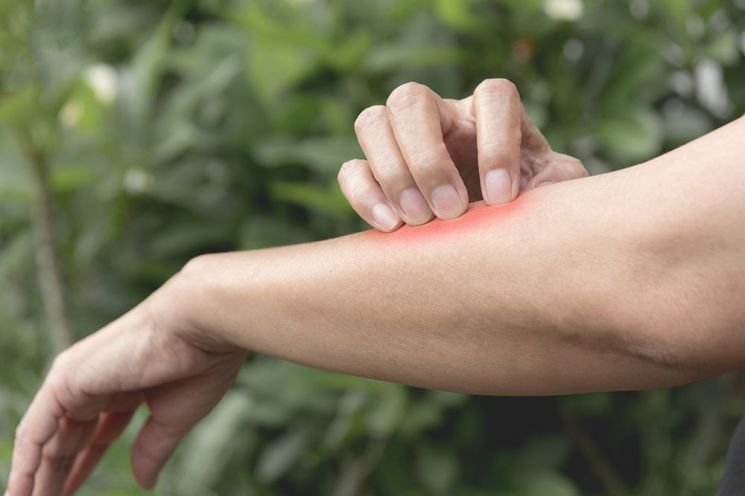
Mosquitoes, which mainly appear from June to September near rivers, rice paddies, wetlands, and residential areas with standing water, bite humans and cause localized itching and dermatitis. In severe cases, they can trigger allergic reactions.
Some species of mosquitoes, which are vectors for serious infectious diseases such as Japanese encephalitis, malaria, and dengue fever, are considered significant public health risks.
Ticks, which are mainly active from May to October, inhabit outdoor environments such as forests, grassy fields, and hiking trails. They can transmit serious infectious diseases such as severe fever with thrombocytopenia syndrome (SFTS) and Lyme disease. If a tick bite is confirmed, there may be no symptoms in the early stage. However, systemic symptoms such as fever, muscle pain, and loss of appetite may develop later, so it is recommended to visit a medical institution promptly for diagnosis and treatment.
Bees and wasps, which are mainly active from July to September, can cause localized pain and swelling through their stings. In some cases, stings may lead to severe allergic reactions or anaphylactic shock. Patients with a history of allergies are at higher risk for emergencies, so immediate evaluation and treatment by medical professionals is necessary.
Flies, which are mainly active from June to September, can contaminate food and the surrounding environment, serving as vectors for food poisoning and other gastrointestinal infections. Although they do not directly suck blood, they can spread pathogenic microorganisms and pose a public health threat, making hygiene management essential.
Shin Kyungho, Director of the Regional Emergency Medical Center at Daedong Hospital (specialist in emergency medicine), stated, "As pest activity increases sharply in the summer, various insect bites occur frequently. It is important to take thorough preventive measures to avoid being bitten, and since it is often difficult to identify exactly what caused the bite, careful monitoring of symptoms is crucial." He emphasized, "If the bitten area becomes severely swollen or if systemic symptoms such as difficulty breathing, dizziness, vomiting, high fever, chills, or decreased consciousness occur, one must immediately call 119 and visit a medical institution for prompt diagnosis and treatment."
He added, "Especially when traveling abroad during vacation season, there is a risk of being bitten by unfamiliar pests and being exposed to infectious diseases that are rare in Korea. Therefore, it is necessary to check the infectious disease status and preventive guidelines of the destination in advance and take thorough preventive measures."
During outdoor activities in summer, when pest activity is high, it is recommended to wear long sleeves and long pants to minimize skin exposure, and to properly use repellents that can block mosquitoes, ticks, and other pests.
After returning home, carefully check your entire body for any attached ticks or insects, immediately wash worn clothing, and maintain cleanliness by showering.
At home, install screens on windows and entrances to block the entry of pests, and, if necessary, safely use insecticides that are harmless to humans. Also, since standing water around the house can be a breeding ground for mosquitoes, remove puddles and always keep trash and contaminated environments clean.
To prevent secondary infections caused by flies, food waste should be disposed of immediately, trash cans with lids should be used and cleaned regularly. The kitchen and food storage areas should be kept hygienic, hands and cooking utensils should be thoroughly washed and disinfected before and after cooking, and food should be stored in sealed containers to prevent exposure.
© The Asia Business Daily(www.asiae.co.kr). All rights reserved.

















