Abolishing Independent Architectural Review Standards
Integration and Revision of Internal Criteria
Seocho District in Seoul (District Mayor Jeon Seongsoo) announced on July 9 that it will undertake a comprehensive overhaul of its internal building-related standards and implement them immediately, becoming the first autonomous district in Seoul to do so in an effort to revitalize the local economy.
This measure reflects feedback from the field that excessive discretionary regulations at the district level have hindered construction and development projects. The district aims to boldly revise ineffective regulations and restore private sector autonomy and creativity to inject vitality into the regional economy.
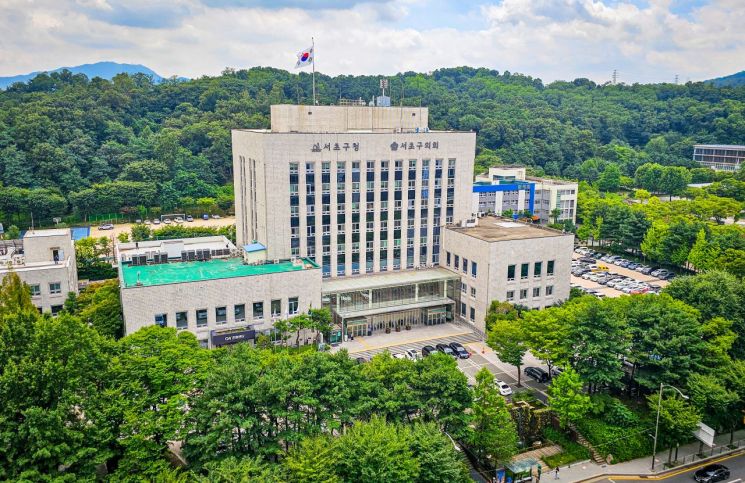
The overhaul was carried out in three main areas: abolishing the district’s own architectural review standards, integrating and revising internal standards, and adjusting the scope of projects subject to review by the Architectural Committee. Seocho District first abolished its existing “Seocho District Architectural Review Standards” in their entirety. By eliminating standards that regulated even minor elements such as attic installation, exterior wall design, and floor count relaxation, the district will support creative planning by building owners and architects. However, fundamental aspects such as safety and the environment will continue to be managed under the “Seoul Metropolitan City Building Review Standards.”
In addition, the previously separate “Seocho District Architecture Unified Standards” and the “Building Permit Guide” have been merged and fully revised into the “Seocho District Architecture Unified Standards.” Reflecting recent legal revisions and practical applicability, many discretionary regulations have been deleted or adjusted in this new version. In particular, requirements that are not legally mandated or no longer fit current circumstances?such as the “untact parcel delivery box” that was made mandatory during the COVID-19 pandemic?have been decisively removed.
To expedite administrative processing, the scope of projects subject to review by the Architectural Committee has also been adjusted. Previously, “relaxation of floor counts for urban-style housing” required review by the Architectural Committee. Now, for small-scale developments within the scope of the Housing Act, the review can be conducted by the lower-level Architectural Planning Expert Committee. This change is expected to reduce the administrative burden on building owners and improve the efficiency of the review process.
Through this overhaul of building standards, design autonomy is expected to be significantly expanded, and administrative processing will become faster, shortening development timelines. This is expected to provide tangible benefits not only for small-scale private development projects but also for the construction industry as a whole. In particular, as the procedures for handling building-related civil complaints are simplified, both citizen satisfaction and administrative efficiency are expected to improve significantly.
The revised “Seocho District Architecture Unified Standards (Revised Edition)” can be found on the district office’s website, and related inquiries can be directed to the Seocho District Office Architecture Division (02-2155-6821).
Jeon Seongsoo, Mayor of Seocho District, stated, “This overhaul of building standards is the realization of practical administration that respects private sector autonomy and creativity,” and added, “We will continue to establish rational standards that meet the needs of the field to further invigorate the local economy.”
© The Asia Business Daily(www.asiae.co.kr). All rights reserved.
![Clutching a Stolen Dior Bag, Saying "I Hate Being Poor but Real"... The Grotesque Con of a "Human Knockoff" [Slate]](https://cwcontent.asiae.co.kr/asiaresize/183/2026021902243444107_1771435474.jpg)















