Development of High-Thermal-Dissipation Semiconductor Packaging Technology and Therapeutics for Intractable Diseases
Postdoctoral Researchers Undertake Challenging Projects Based on Mentor-Mentee Collaboration
Two young researchers from UNIST (President Park Jongrae) have been selected for the 'Post-Doc. Growth Research Support' program, which is supported by the Ministry of Education and the National Research Foundation of Korea.
Each of them will receive annual research funding of 70 million KRW for up to three years.
This program was established to foster the next generation of academics and to strengthen the nation's research capabilities. It provides multi-year research funding to promising postdoctoral researchers so they can grow into independent researchers under the mentorship of full-time faculty members.
Eligible applicants are postdoctoral researchers who obtained their Ph.D. within the past seven years or are under the age of 39. This year, a newly introduced 'individual type' track selected 54 researchers nationwide.
At UNIST, Dr. Jung Haksun and Dr. Soyeon Kim will each undertake challenging research projects.
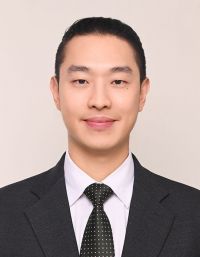 Dr. Jung Haksun, UNIST.
Dr. Jung Haksun is conducting unique research that combines electrical and electronic engineering with chemical engineering. He plans to develop high-thermal-dissipation semiconductor packaging technology by utilizing AI and 3D printing technologies.
The core of his research is to realize complex three-dimensional meta-structures that could not be achieved with existing processes and to combine fluid cooling technology to minimize thermal expansion. This is expected to advance packaging technology for high-power semiconductors used in electric vehicles and energy storage systems.
Dr. Jung stated, "The high-power semiconductor market is growing rapidly, making it increasingly important to develop packaging technologies suitable for next-generation power devices," and added, "I hope to establish an advanced semiconductor packaging ecosystem based on collaboration among academia, industry, and research institutes."
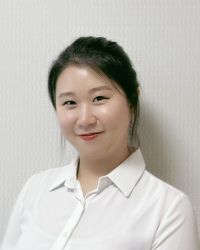 Dr. Soyeon Kim, UNIST.
Dr. Soyeon Kim has been studying the relationship between mitochondrial function and metabolic diseases in the field of life sciences. Her goal is to analyze the effects of the mitochondrial chaperone TRAP1 on angiogenesis and immune cell activation in retinal diseases and to develop new therapeutic strategies.
Dr. Kim said, "Retinal diseases can lead to blindness, but current treatment options are limited," and continued, "I hope to broaden our understanding of intractable diseases and, in the long term, contribute to the development of therapeutic strategies."
© The Asia Business Daily(www.asiae.co.kr). All rights reserved.
![Clutching a Stolen Dior Bag, Saying "I Hate Being Poor but Real"... The Grotesque Con of a "Human Knockoff" [Slate]](https://cwcontent.asiae.co.kr/asiaresize/183/2026021902243444107_1771435474.jpg)














