Possibility of Corporate Board Restructuring and Other Changes
On July 4, the day after the National Assembly passed the amendment to the Commercial Act?which expands directors' fiduciary duty from the company to shareholders and includes the '3% rule' limiting the influence of major shareholders when electing audit committee members?the business community is reviewing the details of the bill and seeking future response strategies. Some observers believe that companies will soon review their boards of directors and governance structures and make certain adjustments.
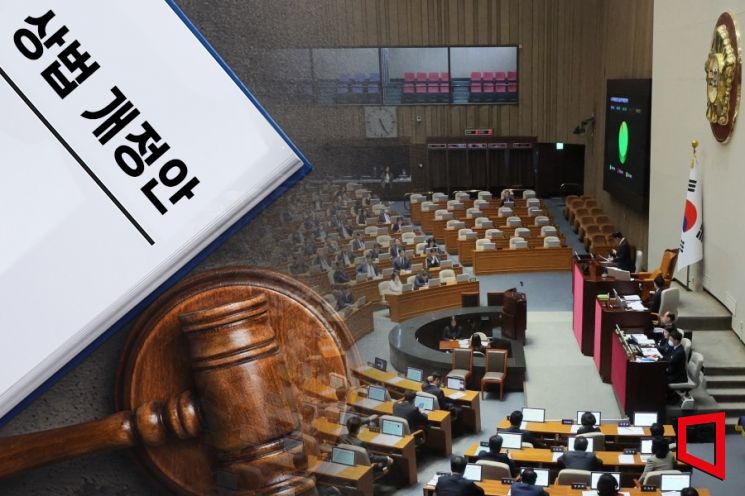
According to business community sources, organizations such as the Federation of Korean Industries are closely examining the contents of the Commercial Act amendment, focusing on their relevant departments. One official stated, "We expect to have further opportunities to discuss issues such as the cumulative voting system with the ruling party in the future, and we are reorganizing the points that need to be communicated at that time."
On July 2, the ruling and opposition parties discussed the details of the Commercial Act amendment and agreed not to immediately address the introduction of the cumulative voting system or the expansion of outside audit committee members from one to two or all members. Instead, they decided to hold public hearings later to gather opinions from various sectors. In addition, the Democratic Party of Korea stated during a meeting with the six major economic organizations on June 30 that it would listen to the business community's opinions on issues such as codifying the 'business judgment rule' and the abolition or special application of the crime of breach of trust after the amendment's passage. Immediately after the amendment passed the previous day, eight economic organizations issued a statement expressing hope for prompt discussions, noting that the National Assembly had also expressed its intention to supplement the system as necessary through continued communication with the business community.
Amid these developments, it is reported that companies are also preparing countermeasures in response to the amendment. Compliance departments are reviewing the potential impact of the changes to the Commercial Act. Some speculate that there may be a complete overhaul of the decision-making structure and composition of boards of directors. As directors are now required to act in the best interests of shareholders as well, there is growing consensus that boards should be restructured to better protect minority shareholders. In a report released after the amendment's passage, law firm Bae, Kim & Lee advised, "In anticipation of an increase in lawsuits, it is necessary to comprehensively review corporate governance and decision-making processes and to strengthen ongoing communication with shareholders."
© The Asia Business Daily(www.asiae.co.kr). All rights reserved.
![Clutching a Stolen Dior Bag, Saying "I Hate Being Poor but Real"... The Grotesque Con of a "Human Knockoff" [Slate]](https://cwcontent.asiae.co.kr/asiaresize/183/2026021902243444107_1771435474.jpg)















