Gurye Hwaeomsa Byeokam Dae Sa Stele,
Daehyebogak Seonsa Seo, and More
'Bakje Ga Gobon Bukhakui,' a reform proposal for national development from the late Joseon dynasty, will be designated as a national heritage.
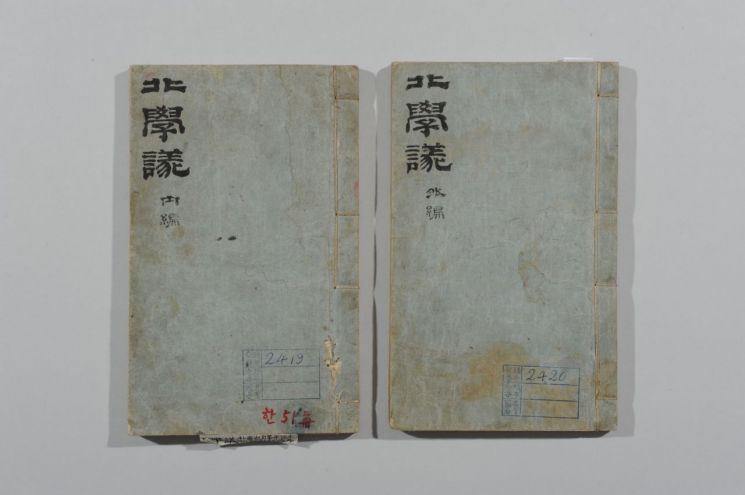
The National Heritage Administration announced on July 1 that it plans to designate as treasures several items, including Bakje Ga Gobon Bukhakui, 'Gurye Hwaeomsa Byeokam Dae Sa Bi,' 'Daehyebogak Seonsa Seo,' 'Yegijipseol Volumes 1-2,' 'Byeokyeokshinbang,' 'Haeinsa Temple in Hapcheon Gilt-Bronze Seated Avalokitesvara and Ksitigarbha Bodhisattva Statues and Associated Relics,' 'Changwon Seongjusa Stone Jizo Bosal Triad and Ten Kings Statues Collection,' 'Ganghwa Jeondeungsa Myeonggyeongdae,' and 'Bronze Jeongbyeong Vase Excavated from Heungjeon-ri Site, Samcheok.' The administration will collect opinions from various sectors for one month and finalize the designation after a review by the Cultural Heritage Committee.
Bukhakui is a guideline written by Bakje Ga in 1778 after returning from Beijing, presenting national systems and policy proposals. The 'internal section' contains reform laws for various tools and equipment, while the 'external section' presents reforms for systems and policies. The Bakje Ga Gobon Bukhakui, which is scheduled for designation as a treasure, is a gobon (the author's handwritten manuscript). It served as the original text for later copies and as the standard that determined the basic structure and direction of the content, making it highly valuable as a historical resource.
The National Heritage Administration stated, "The annotations on the attached paper (cheomji, used for marking or writing in books) and the edits in the main text allow us to observe the process of revision and editing, giving the work significant bibliographical value." The Administration also highlighted the presence of a handwritten preface by Park Ji-won, adding, "As a Silhak (practical learning) text from the late Joseon dynasty, it likely had significant influence on the society of its time."
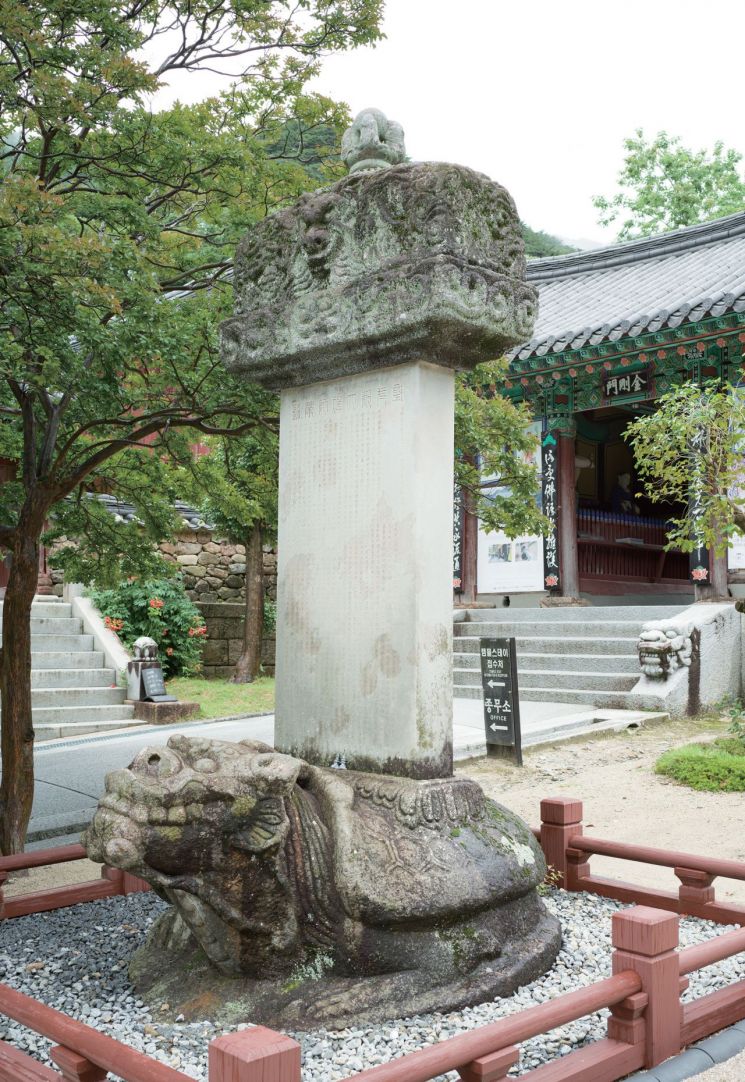
The Gurye Hwaeomsa Byeokam Dae Sa Bi is a stele erected in honor of Monk Byeokam, who revived Buddhism after the devastation caused by the Imjin and Byeongja Wars. The inscription was written by Yi Gyeongseok, who served as Chief State Councilor, and the calligraphy was done by Oh Jun, known for his outstanding penmanship. The stele's title, carved in seal script at the top, was written by Jo Gyewon, who served as Dosungji.
The stele is composed of a turtle-shaped base (gwi-bu), a main body (bi-shin), and a headstone (isu). The precise craftsmanship, the dignified appearance of the dragon-headed base, and the dragon carved on the front of the headstone all contribute to its high technical and artistic value. The National Heritage Administration explained, "This is a rare example from a period when few steles for monks were erected," and added, "It has been well preserved in its original location, making it a standard for the study of 17th-century steles."
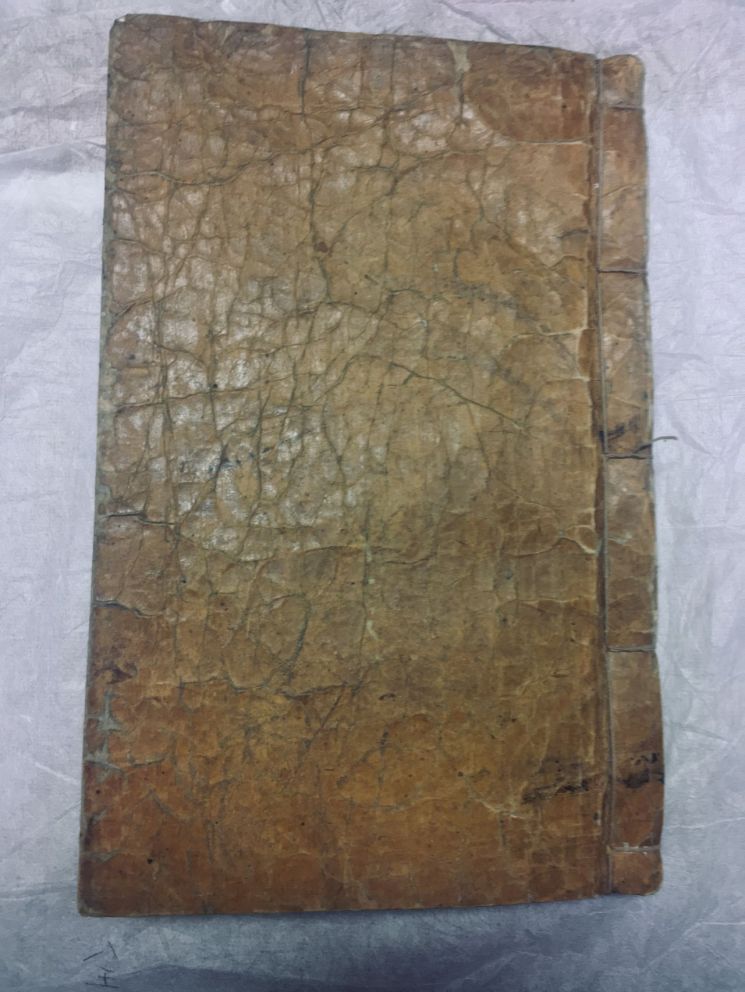
Daehyebogak Seonsa Seo is a Seon Buddhist text compiled during the Song dynasty by Daehye, a disciple of the Linji school in China. It was introduced to Korea at the end of the Goryeo dynasty, with the oldest extant edition published in 1387 under the leadership of the monk Jidam. The Dungyongsa edition, scheduled for designation as a treasure, is a printed copy made from woodblocks carved in 1418 under the direction of the monk Shinin. Only about three copies of this 11-line, 20-character edition are known to exist in Korea and abroad, and its preservation state is excellent.
The National Heritage Administration added, "The colophon includes records of Monk Shinin's leadership in publishing the edition and Monk Seongmin's activities," and emphasized, "These details are not found in official compilations or personal collections, making this edition important for understanding the reality and trends of the Buddhist community in the Joseon period."
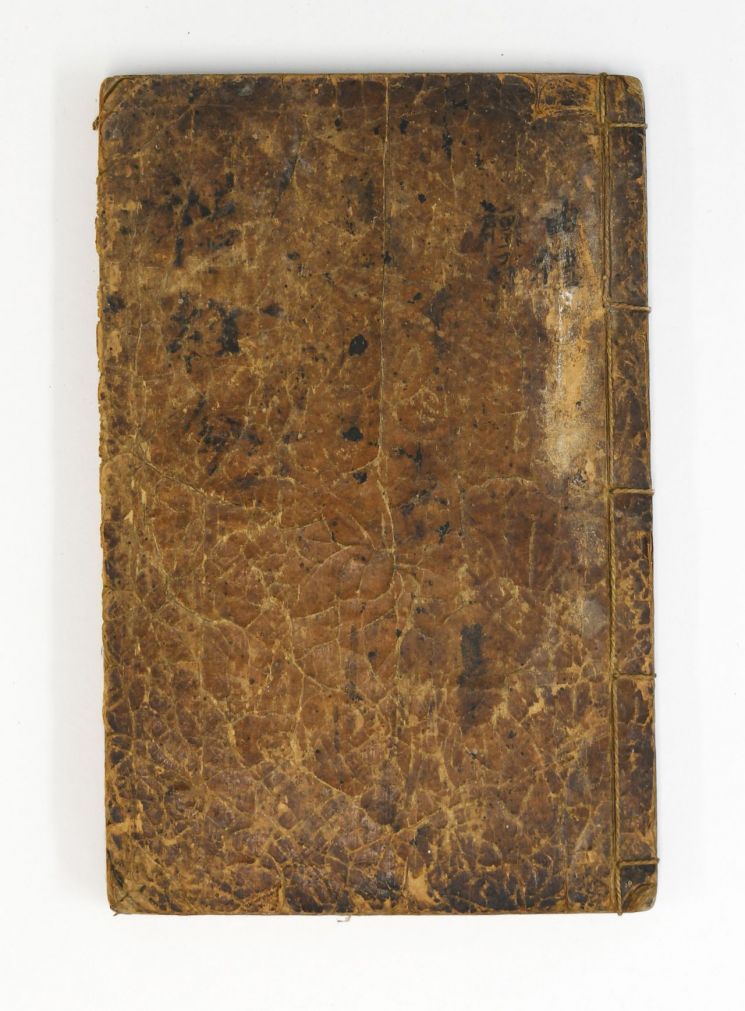
Yegijipseol is a Confucian text that compiles records and commentaries on ancient Chinese rites, with annotations by Jin Ho, a Neo-Confucian scholar of the Yuan dynasty. The volumes 1-2 of Yegijipseol, scheduled for designation as treasures, are based on a woodblock edition first created in 1328 by the Jeong Myeongdeok family in Jian'an, China. The current edition is believed to have been reprinted in 1391 in Sangju, North Gyeongsang Province.
The National Heritage Administration stated, "Based on its form and punctuation, it is judged to be a later edition printed in the late Goryeo to early Joseon period," and added, "It is rare as a Goryeo edition and is the earliest among existing domestic editions, making it highly significant."
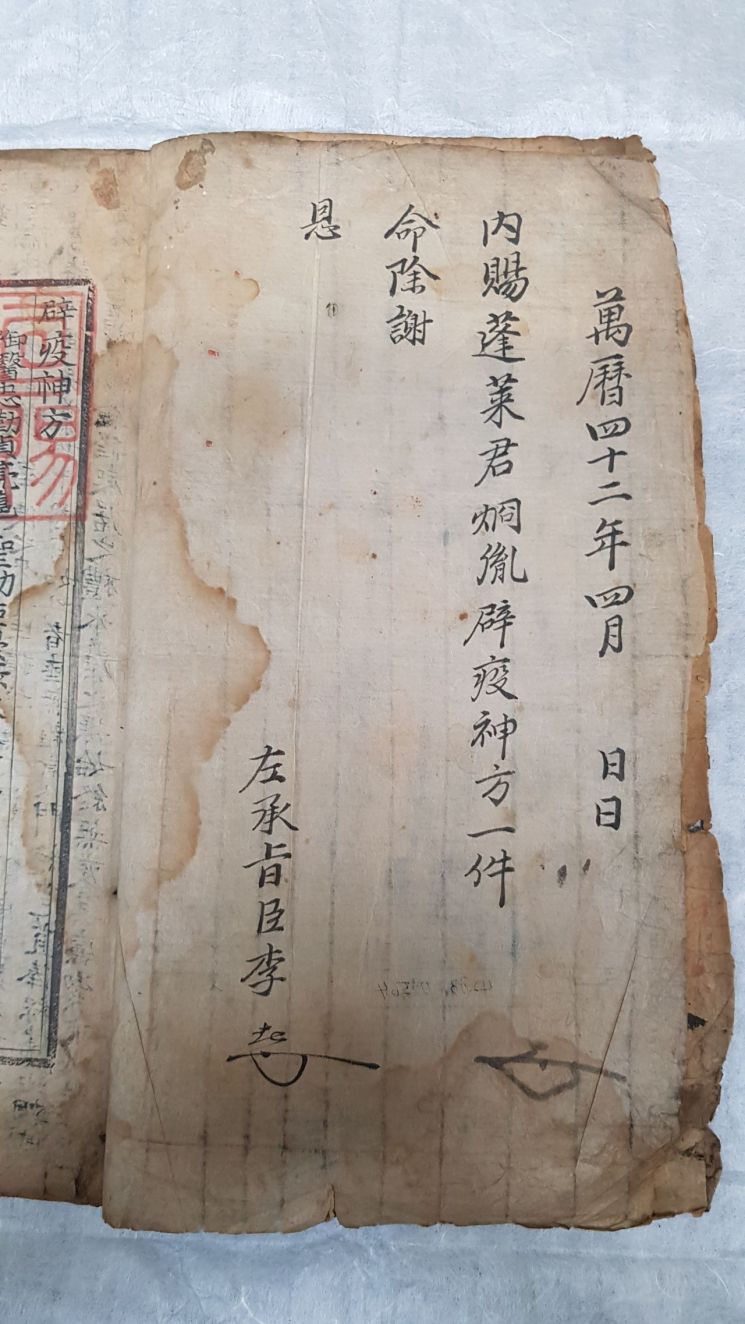
Byeokyeokshinbang is a medical text compiled by Heo Jun in 1613 by royal command. It contains observations, theoretical views, and treatments for Dangdogyuk (scarlet fever), which was prevalent during the reign of King Gwanghaegun. The Dong-eun Medical Museum's edition, scheduled for designation as a treasure, was granted to a private individual rather than being an official or archival copy. The recipient and other details are recorded inside the cover, confirming that it was given to Prince Bongrae Yi Hyungyun in 1614.
The National Heritage Administration explained, "Only a few copies of this edition have been identified in Korea, making it a rare resource," and added, "It provides insight into the epidemic situation in Joseon society, the government's response, and the reality of the publication and distribution of medical texts."
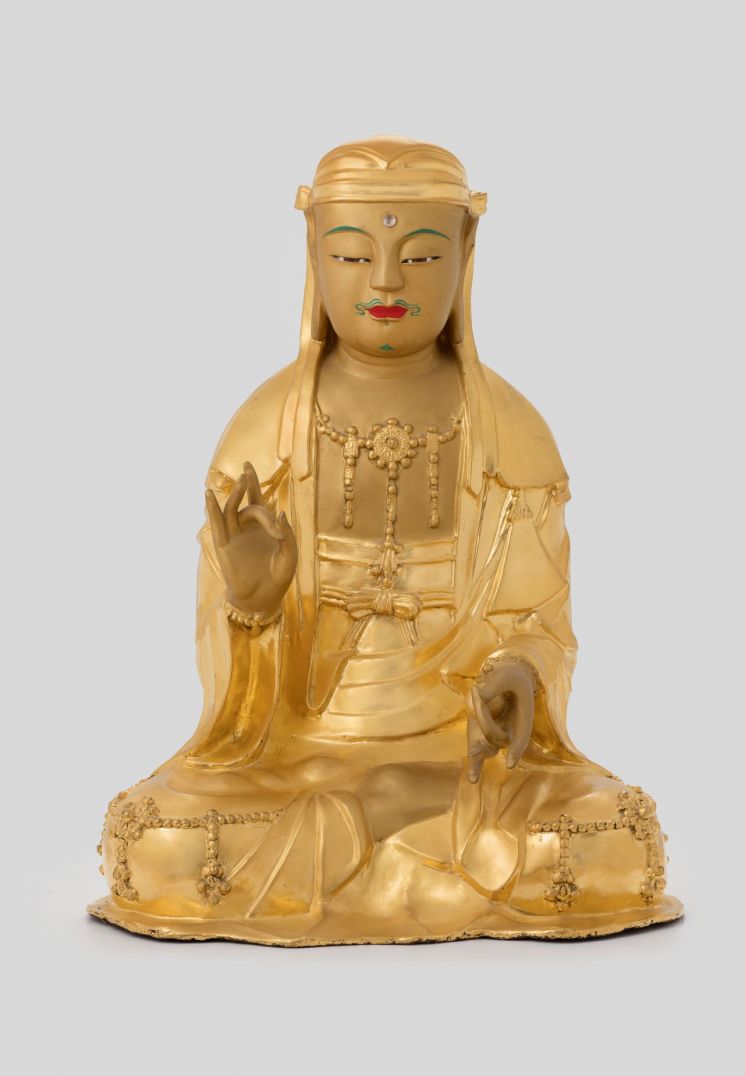 Haeinsa Temple in Hapcheon Gilt-Bronze Seated Avalokitesvara and Ksitigarbha Bodhisattva Statues and Associated Relics
The Haeinsa Temple in Hapcheon Gilt-Bronze Seated Avalokitesvara and Ksitigarbha Bodhisattva Statues and Associated Relics are confirmed, through their dedicatory inscription, to have been created in 1351 for enshrinement in the Daejangjeon Hall of Beoplimsa Temple in Seongju. In particular, the gilt-bronze Avalokitesvara and Ksitigarbha statues are important reference works for understanding the iconography and style of late Goryeo Buddhist sculpture, as their production date is clearly documented, giving them great academic value. They also emphasize the faith in blessings in both this life and the next, offering insight into Avalokitesvara and Ksitigarbha worship during the Goryeo period.
The National Heritage Administration evaluated, "This is the only known sculpture that combines Avalokitesvara and Ksitigarbha," and added, "It holds significant art historical value." Regarding the associated relics, the administration stated, "They show a free form that predates the systematization of enshrinement rituals in the Joseon period," and added, "The detailed records of the participants in their creation help us understand the society, economy, and zeitgeist of the time."
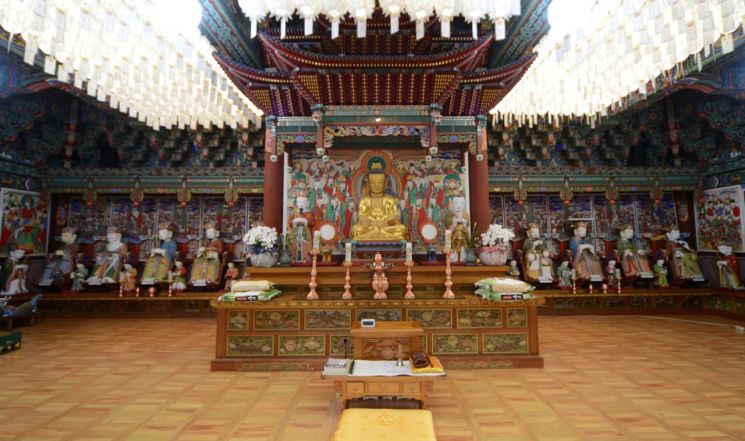
The Changwon Seongjusa Stone Jizo Bosal Triad and Ten Kings Statues Collection was completed and enshrined at Seongjusa Temple in 1681 by a group of monk sculptors led by Sungho. All thirty-one statues remain intact without any loss. The statues were made from jadeolite, a material Sungho was known to work with skillfully. Among the sculptures of the afterlife (depicting the Ten Kings and messengers of the afterlife), this set is the largest and most complete, making it historically significant.
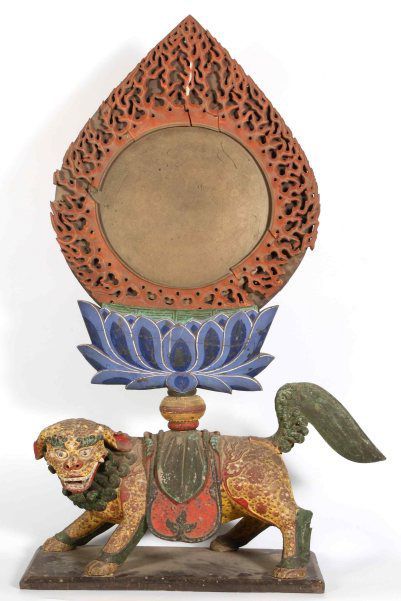
The Ganghwa Jeondeungsa Myeonggyeongdae is a mirror stand with a lion-shaped base designed to hold a mirror. There is a groove on the lion's back to insert the mirror. An inscription on the bottom of the rectangular pedestal records the production date and artisans, revealing that Mil-yeong, Cheon-gi, and Bol-saeng crafted it in 1627. The National Heritage Administration evaluated it as "a reference standard for mirror stands, of which few production records remain," and added, "Its sculpting and coloring techniques are outstanding, giving it high artistic value."
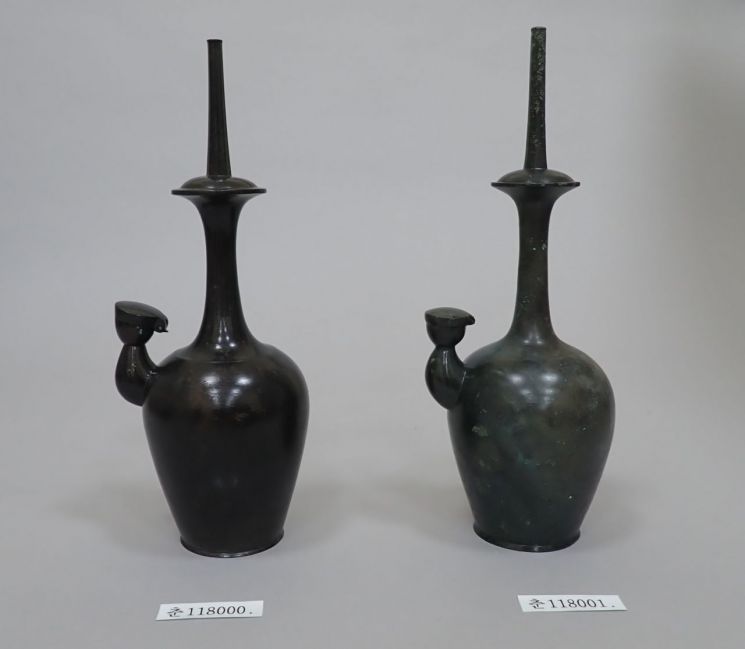
The Bronze Jeongbyeong Vase Excavated from Heungjeon-ri Site, Samcheok, was discovered in 2016 at Building Site No. 1, Dongwon, Heungjeon-ri, Samcheok, Gangwon Province. The area is believed to have been home to a major regional temple during the Silla and Goryeo periods. The artifact was cast as a single piece with the body, spout, and handle, while the lid for the spout was cast separately and attached so it could be opened and closed. The surface is smoothly finished, and the proportions are harmonious, reflecting a high level of craftsmanship and technology. Despite being buried underground for a long time, it was excavated in its original form with little damage, making it an important resource for the study of Unified Silla period vases.
© The Asia Business Daily(www.asiae.co.kr). All rights reserved.



















