Microbial Backup Preservation Project
Safeguarding Genetic Diversity and Preparing for the End of Humanity
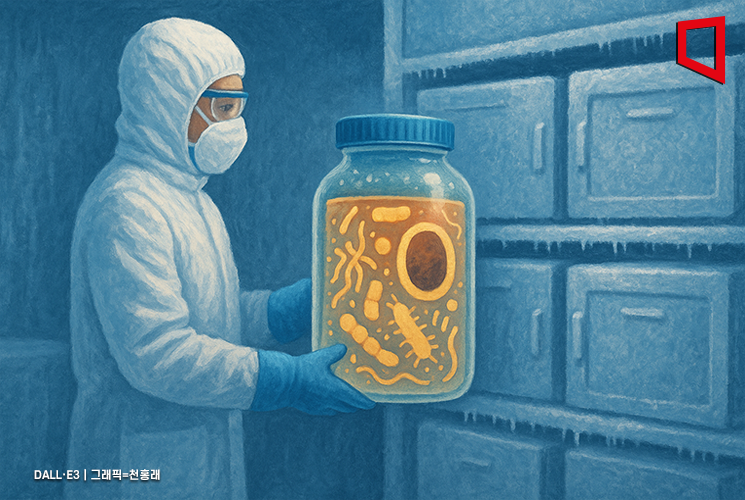
In an effort to preserve disappearing microorganisms, scientists are collecting human fecal samples and storing them in freezers. This project serves as a long-term measure to prepare for future ecosystem restoration.
According to a commentary published in Nature Communications on June 27 (local time), the Microbiota Vault project was launched in 2018 to preserve backup copies of existing microorganisms. To date, the project has secured over 1,200 human fecal samples and 190 fermented food samples, all stored in a minus 80 degrees Celsius freezer at the University of Zurich in Switzerland. The goal is to collect 10,000 samples by 2029.
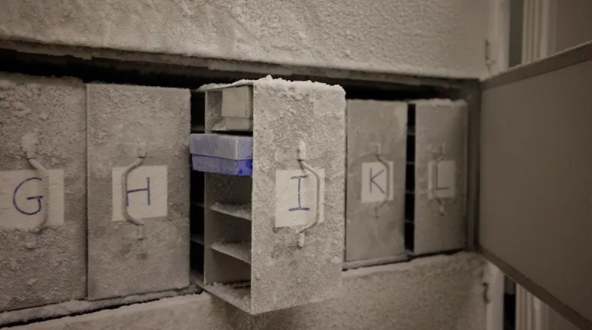 Microbial samples stored in a freezer at the University of Zurich, Switzerland. Microbiota Vault Initiative
The long-term goal of this project is to secure backup copies of microorganisms that inhabit humans, animals, plants, and the environment, so that future generations can conduct research and use them for ecosystem restoration or medical needs. The researchers warned, "The loss of microorganisms is associated with a remarkable increase in chronic diseases such as allergies, autoimmune diseases, and metabolic disorders." They also stated, "The loss of microbial diversity extends to environmental ecosystems, threatening agriculture and ecosystem resilience."
In fact, excessive use of antibiotics, thawing of permafrost due to climate change, urbanization, and industrialization are all known to cause serious damage to microbial communities in humans and the environment. The researchers projected, "If we do not preserve them now, it will be irreversible in the future," and added, "With advances in technology, it may become possible to reintroduce frozen microorganisms into the gut or ecosystems."
Sample collection is being conducted in regions such as Brazil, Ethiopia, Laos, and Thailand, reflecting diverse cultures and dietary habits. For sample providers, there is a commitment to transparency about how samples will be used and to allowing them to make decisions, including the option to choose whether sequencing results are disclosed, as part of efforts to establish ethical standards. The researchers emphasized, "No matter what disaster may occur 100 years from now, the microorganisms we freeze today could become humanity's last line of defense."
© The Asia Business Daily(www.asiae.co.kr). All rights reserved.
![Clutching a Stolen Dior Bag, Saying "I Hate Being Poor but Real"... The Grotesque Con of a "Human Knockoff" [Slate]](https://cwcontent.asiae.co.kr/asiaresize/183/2026021902243444107_1771435474.jpg)
















