Goryeo Imported Paintings and Calligraphy, Modeled Appreciation Spaces
Northern Song Also Influenced by Goryeo, Proven by "Goryeodogyeong"
"Likely Formed a Special Relationship Through Direct Exchange"
Emperor Huizong of the Northern Song Dynasty was called the "Emperor of Elegance." His exceptional aesthetic sensibility and discernment earned him this title, and he was renowned as a master of poetry, calligraphy, and painting. He often depicted rare animals, plants, and auspicious symbols, leaving them behind in his painting albums.
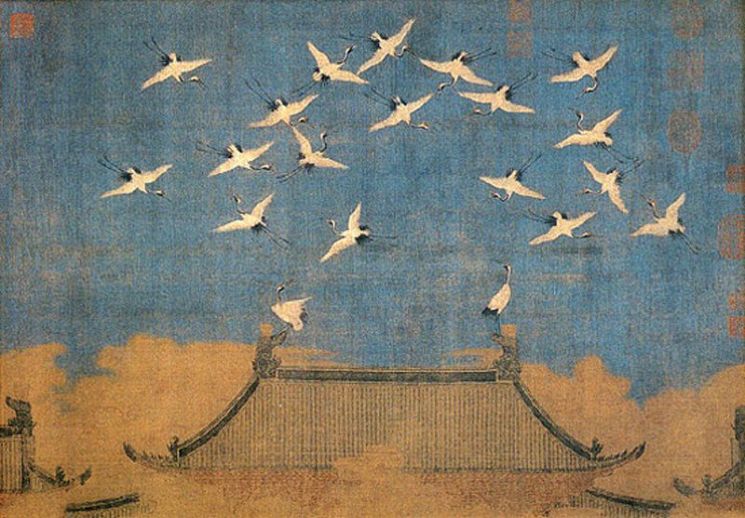
One of his representative works is "Seohakdo" (Painting of Auspicious Cranes). He ordered the composition of Daeseongak, a musical piece, at an office called Daeseongbu, and painted a scene in which cranes gathered in response to the music being performed. In Daoism, cranes are regarded as envoys sent by immortals to national leaders. The painting is thus said to embody the auspicious energy that accompanies good governance.
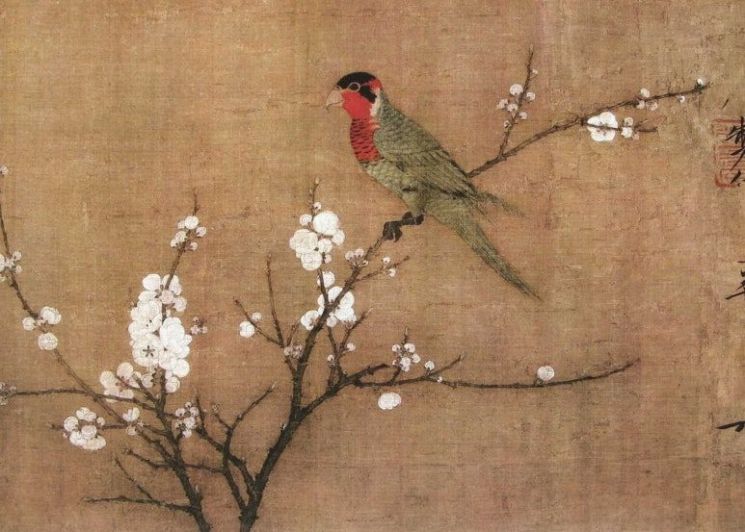
Along with "Seohakdo," works such as "Osaek Aengmudo" (Painting of Five-Colored Parrots) and "Sangnyong Seokdo" were products of a grand poetry, calligraphy, and painting project known as the "Seonhwa Yeramjip." These works are believed to have been created either directly by Huizong or by court painters under his direction. They are evaluated as achieving both decorative beauty and realism by combining the left-right symmetrical composition of Han and Tang dynasties with the detailed depiction characteristic of the Northern Song court painting style. Huizong would appreciate these works together with high officials in his private space, the Seonhwa Hall, and would bestow them as gifts. In the late Northern Song period, he also sought to reform painting styles by strengthening the court painter system.
Masaaki Itakura, Professor at the Institute for Advanced Studies on Asia at the University of Tokyo, whom we met at the National Palace Museum of Korea in Jongno-gu, Seoul, on June 26, argued that these changes also influenced Korea and Japan. Known in Japan as a leading scholar of Korean and Chinese art history, he stated, "King Yejong of Goryeo directly received calligraphy, paintings, and rare items from Huizong, and envoys viewed Huizong's works at the Seonhwa Hall." He added, "Goryeo modeled its own imports of paintings and calligraphy, as well as its appreciation spaces, after those of the Northern Song."
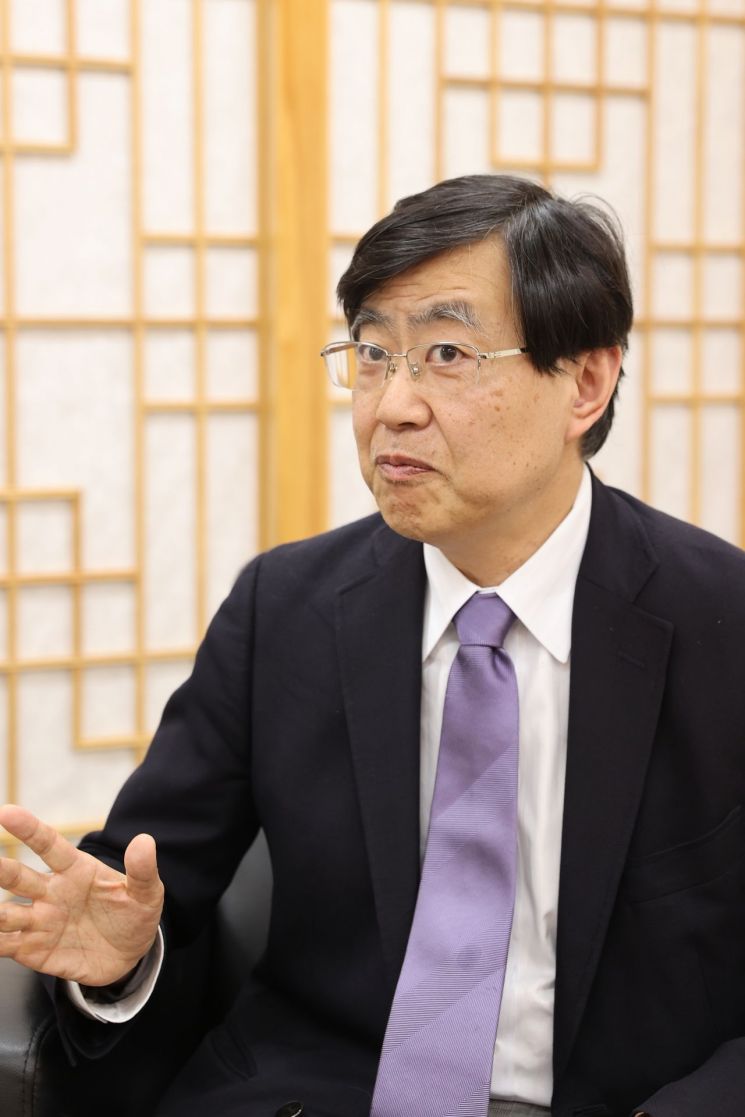 Masaaki Itakura, Professor at the Institute for Advanced Studies on Asia, University of Tokyo
 [Photo by Agency for Cultural Affairs]
Huizong's painting style was actively embraced in Goryeo through both the culture of appreciating landscape paintings and direct exchanges of artworks. In particular, the Song Dynasty's painting style and the artistic concept of 'unity of poetry and painting' were transmitted from Goryeo to Japan.
Japan did not have direct exchanges with the Northern Song during Huizong's reign. However, during the Muromachi period, Southern Song paintings that restored and reinterpreted Huizong's works became popular, leading to a sense of longing for his art. At the international academic conference "Royal Culture and Art of East Asia" held at the National Palace Museum of Korea on June 28, Professor Itakura explained, "In particular, the 'Higashiyama Gomotsu' collection of Ashikaga Yoshimitsu and Yoshimasa reflects the idealization of Huizong's calligraphy and paintings."
He did not simply define this phenomenon as a one-way transmission. The Northern Song also received various influences through exchanges with Goryeo. This is well illustrated in "Seonhwa Bongsa Goryeo Dogyeong," a record by Northern Song envoy Xu Jing. Regarding Goryeo celadon, he wrote, "Goryeo people call the blue color of their ceramics 'bisaek.' In recent years, their production techniques have become more sophisticated, and the color has improved even further," offering high praise.
The same was true for painting. Professor Itakura noted, "It is said that Huizong, after seeing a Goryeo painter's work, instructed Wang Hahun and other court painters to learn from it," suggesting the possibility of a special relationship formed through direct exchange. He emphasized, "While Huizong's artistic world became a cultural ideal across East Asia, the ways it was received differed according to each country's political and cultural context. Goryeo embraced it through practical exchanges, whereas Japan accepted it as a retrospective longing in later generations."
© The Asia Business Daily(www.asiae.co.kr). All rights reserved.



















